On this page
Start here
Choose the format around your recurring tasks
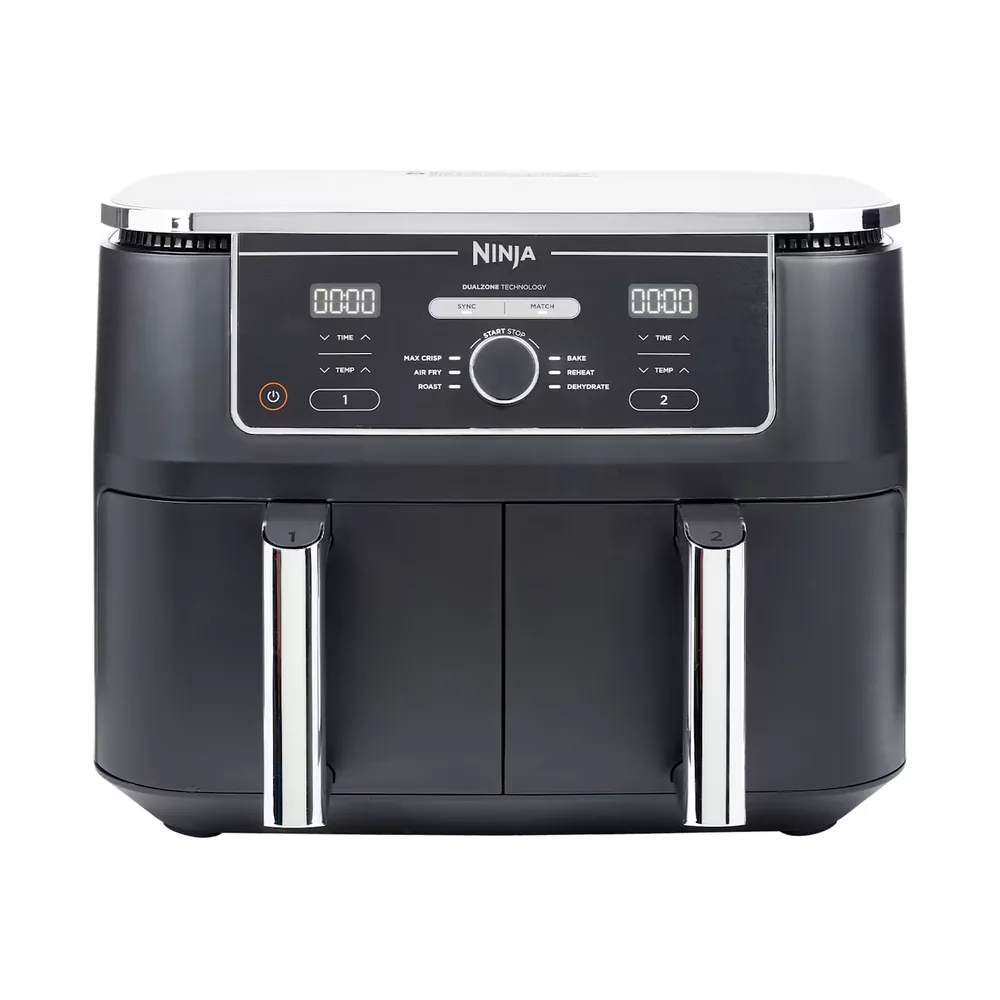
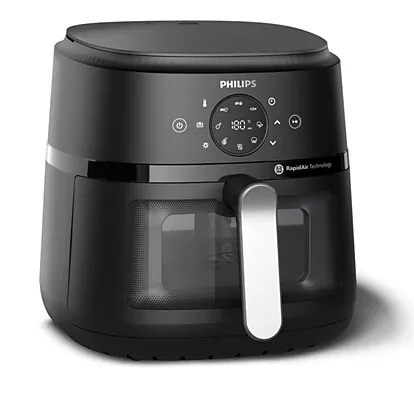
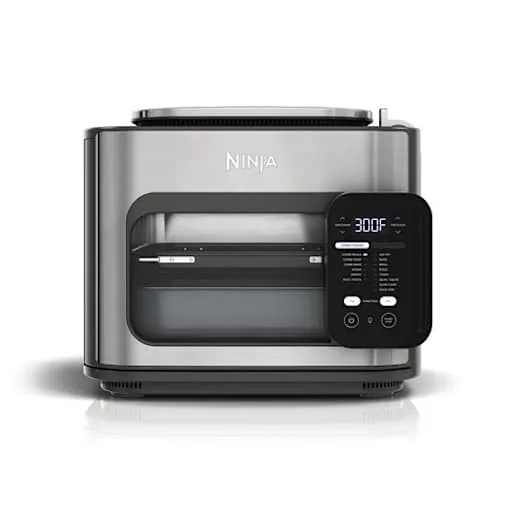
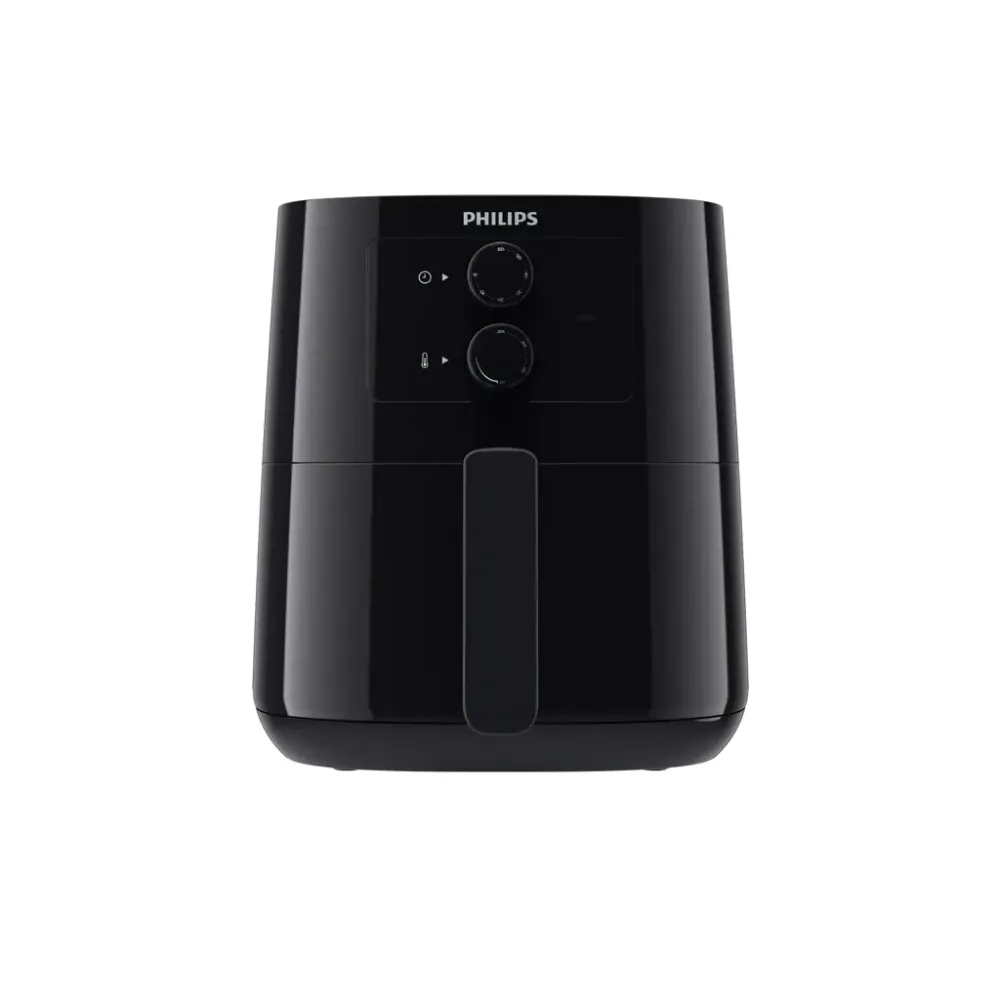
Choose a basket air fryer when drawer-based cooking and straightforward portion handling are your main priorities. Investigate a countertop convection oven with an air-fry mode when you want tray, rack, and cookware flexibility alongside other oven tasks. The label air fryer alone does not settle which appliance fits your kitchen.
This comparison is about layout and workflow. It does not claim that every basket crisps better or every oven cooks more evenly. Those are model-specific performance questions that need comparable testing. Start with the jobs the new appliance must handle, then compare evidence for the shortlisted models.
Drawers and doors change how you work
A drawer gives you one removable container to handle. An oven door gives access to racks, trays, and dishes in a chamber. Think about loading, turning food, removing a hot dish, and catching crumbs or drips using the exact instructions. Those physical steps may determine which format you enjoy using.
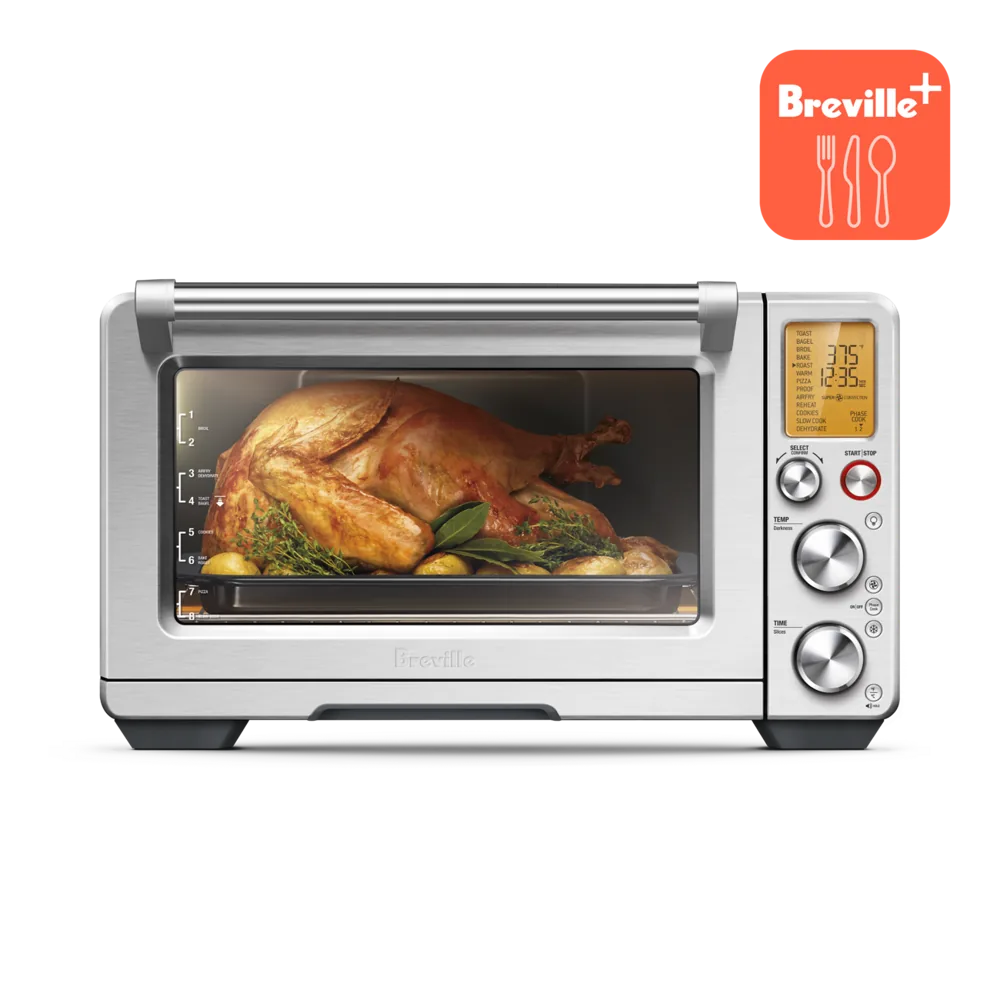
Breville's BOV900 documentation lists oven racks and an air-fry/dehydrate basket. That is a concrete example of a multi-accessory oven format. It does not mean all countertop ovens accept the same cookware or allow the same shelf arrangements. Verify your intended dish against the model manual.
Count the appliances it would replace
If you regularly toast, bake in a dish, and air fry, an oven-format model may deserve attention. List the devices or routines it would realistically replace. If you only want one crisp side at dinner, buying a broad countertop oven for seldom-used modes may occupy more space than the task warrants.
Avoid counting hypothetical future cooking habits as automatic value. A function contributes to the buying case when it serves a repeated task you understand. An existing full-size oven can remain useful for the occasional large bake while a basket appliance handles the smaller recurring job.
Check usable area rather than total volume
For baskets, compare the cooking plate and usable height. For ovens, compare approved rack positions and compatible tray or dish sizes. Multiple levels do not necessarily act as independently controlled zones. Read instructions for loading and any limitations on simultaneous tasks.
A chamber's quoted capacity does not tell you whether your baking dish's handles fit through the door. A basket's volume does not tell you whether two flat items fit on its floor. Use the real cookware and food arrangement as the sizing test, keeping planning templates outside the operating appliance.
Look beyond the first wipe-down
A basket model has removable parts and a cooking chamber to maintain. An oven format may add racks, mesh baskets, a door, and a crumb tray. Check cleaning instructions for each part rather than assuming a dishwasher-safe accessory makes the whole appliance easy to clean.
Think about where every part dries and whether it fits your sink. The more accessories you use, the more storage locations you need. Those practical costs can outweigh an attractive feature count, especially in a kitchen with little spare preparation space.
A cookware-led decision example
Imagine you use the same baking dish every week and want a countertop appliance to handle it alongside toast and occasional air frying. An oven format with documented compatibility may suit that established routine. Another cook mainly wants to handle one portion in a removable drawer and has no interest in replacing the toaster. That person may value the basket format more. Compare the appliances against these named tasks instead of assuming the broader function list creates value for every household. Leave performance conclusions separate until comparable testing supports them.
How to narrow the shortlist
Choose one model in each format and compare a normal week of use, not an ideal demonstration meal. Mark any unsupported fit or performance claim as unknown. The right format is the one that handles your real tasks within your counter, handling, and cleaning constraints.
- List the drawer or tray tasks you perform every week.
- Confirm cookware dimensions and approved positions.
- Check door or drawer clearance in the actual kitchen.
- Identify which existing appliance would genuinely become unnecessary.
- Verify cleaning instructions for every included accessory.
- Use comparative testing for crispness claims, not the appliance label.
Behind this guide
Sources & editorial method
This guide combines original editorial decision support with the linked documentation. It is not a hands-on product test. Check the exact regional model and its manual before purchasing or using an appliance.
- Breville Smart Oven Air Fryer Pro BOV900 ↗Checked
- Breville BOV900 instruction booklet ↗Checked
- Philips HD9200/91 support and documentation ↗Checked