On this page
Start here
Count loads before choosing litres
For batch cooking, choose the appliance that handles your planned sequence of loads with the least unwanted work. Total advertised capacity is a starting point, but usable area, the number of separate zones, and the food arrangement determine whether a large batch fits as intended. A basket filled deeply and a tray spread broadly are different workflows.
Write a meal-prep session on paper before comparing products. Include every task you expect the air fryer to perform and which tasks remain on the stove or in the oven. This prevents buying more appliance than needed while also exposing a basket that is too small for your real routine.
Separate repeated foods from mixed meals
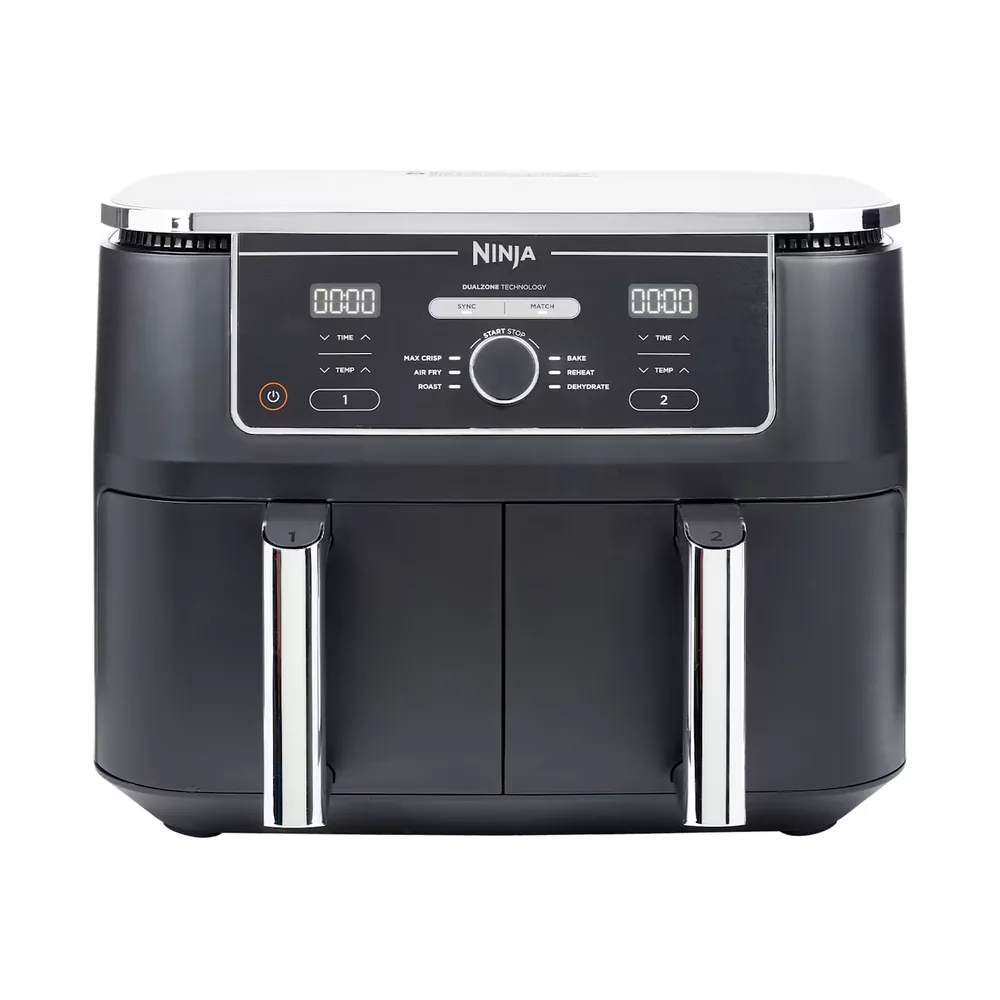
A batch of the same ingredient may suit a wide common surface. A session with vegetables, a main, and a baking task can create different temperature and timing requirements. Two independently controlled zones may help some of those combinations, while a single large chamber may make more room for one task.
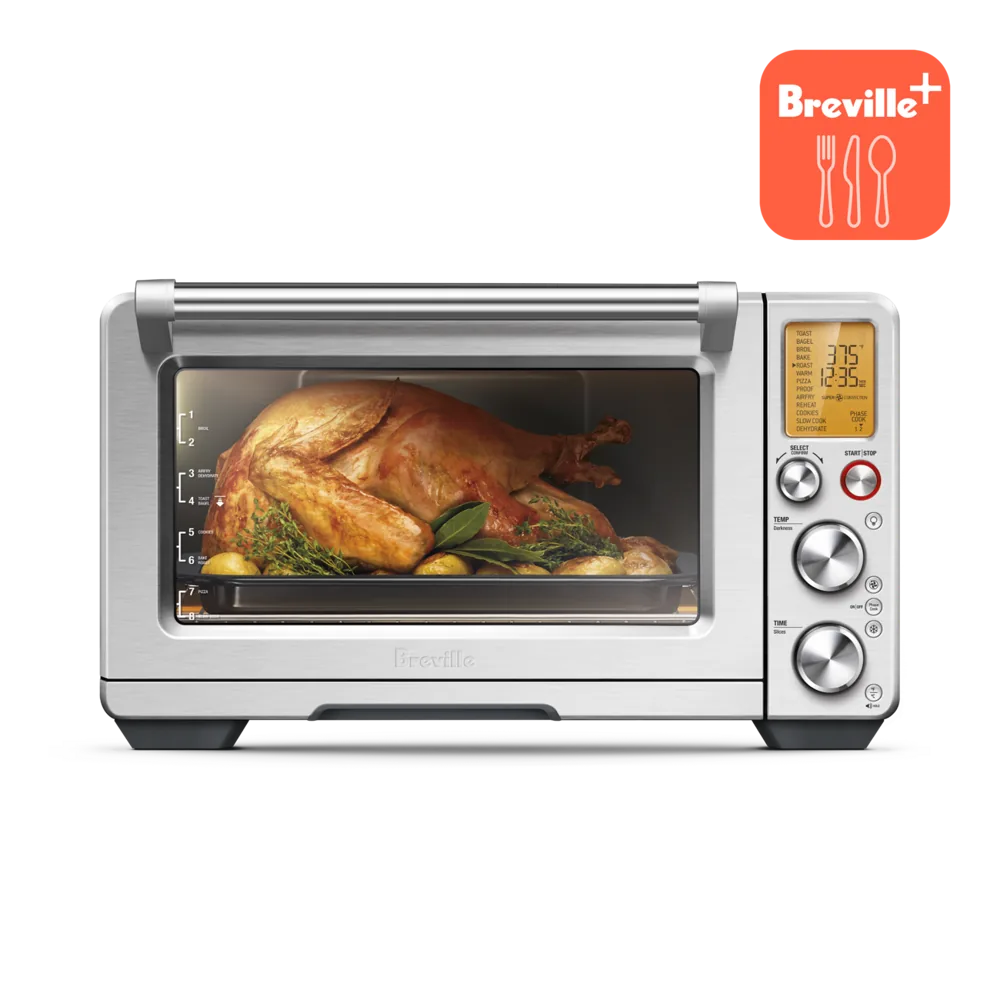
Do not assume racks create additional independent zones. Breville's BOV900 manual describes rack positions and air-fry accessories within an oven chamber. Check the manual's loading instructions rather than treating every shelf as an independently timed appliance. More levels can change handling without creating separate controls.
Build a load map
Create one row for each batch, with food quantity, the arrangement needed, the cooking mode specified by your recipe or manual, and the next task. Leave cooking time blank until you have model-appropriate guidance. Your buying decision should not rely on a universal schedule borrowed from a different air fryer.
Then identify collisions. Two loads needing the same surface cannot occupy it at once. A dish needing height may block a rack you thought would remain available. A second drawer only helps if the other task fits that individual drawer and its available settings.
Include the handling between batches
Preparation is not just heating time. You need room to load the next batch, a place to put removed parts, and a manageable cleaning routine at the end. A bulky drawer can be inconvenient if your sink is small. Several mesh trays can add washing even when they improve usable area.
Consider whether you prefer lifting a drawer, sliding a tray, or moving a cooking pot. Those are meaningful differences for a weekly session with repeated loads. Read the removal and cleaning instructions before deciding which format is easiest for you.
Do not turn meal prep into an unsupported promise
A manufacturer's serving suggestion is not a guarantee about your full weekly menu. The capacity that handles one ingredient may not accommodate the same number of portions of another. Treat product demonstrations as examples and verify the assumptions behind them.
Food cooling, storage, and reheating also need appropriate food-safety guidance for your region and the foods involved. Include the appropriate cooling, storage, and reheating steps when deciding whether a cooking format suits your routine. Keep those separate decisions grounded in official guidance rather than a product's convenience claim.
A preparation-session bottleneck example
Imagine three loads of the same flat food followed by one dish that needs more height. A wider cooking surface may reduce the repeated loads, but an extra shelf may be unusable during the taller dish. Compare the actual sequence rather than counting all nominal rack levels as available for every task. If your existing oven already handles the three large loads together, a complementary basket could still be useful for smaller tasks. The best batch-cooking format depends on where the bottleneck occurs in the complete session.
A repeatable buying decision
Compare the shortlists against one normal preparation session and one larger session. Choose the appliance that makes the normal session easier while keeping the larger one manageable. If your existing oven already handles the largest batch efficiently for your routine, a smaller complementary air fryer may be the more practical option.
- Count cooking loads for a real meal-prep session.
- Check usable plate or tray area for each load.
- Distinguish shelves from independently controlled zones.
- Check room to handle removed drawers and trays.
- Verify each removable part against the cleaning instructions.
- Keep storage and reheating safety separate from capacity marketing.
Behind this guide
Sources & editorial method
This guide combines original editorial decision support with the linked documentation. It is not a hands-on product test. Check the exact regional model and its manual before purchasing or using an appliance.
How we research and publish our guides