On this page
Start here
Buy accessories for a named task and exact model
Buy an air fryer accessory when you know the cooking task it serves and can verify compatibility with the exact appliance. A large bundle is not automatically useful. Unused racks, dishes, and liners still occupy storage space, while a poorly matched item can make an otherwise good cooking layout inconvenient.
Check what the appliance already includes before ordering extras. Product pages may show accessories used for illustration rather than everything supplied in the box. Read the included-parts list for the final model and bundle selection, and save that list with your order.
Compatibility is more than physical fit
An accessory can fit through a drawer opening and still be unsuitable for the appliance's intended use. Check the manufacturer's guidance on material, height, placement, and supported configuration. Do not treat universal in a marketplace title as model-specific approval.
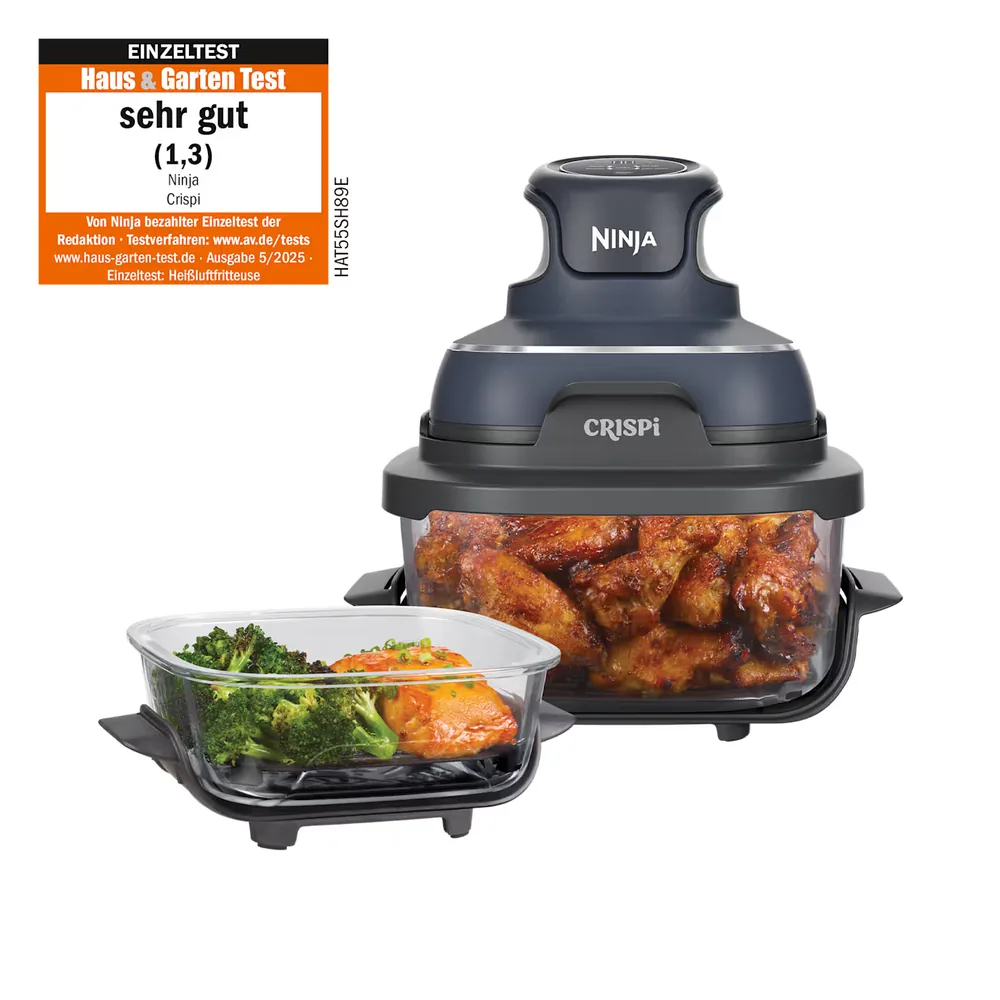
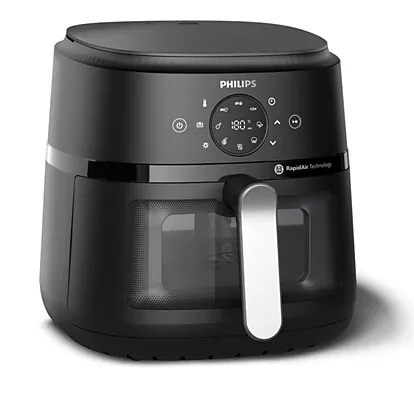
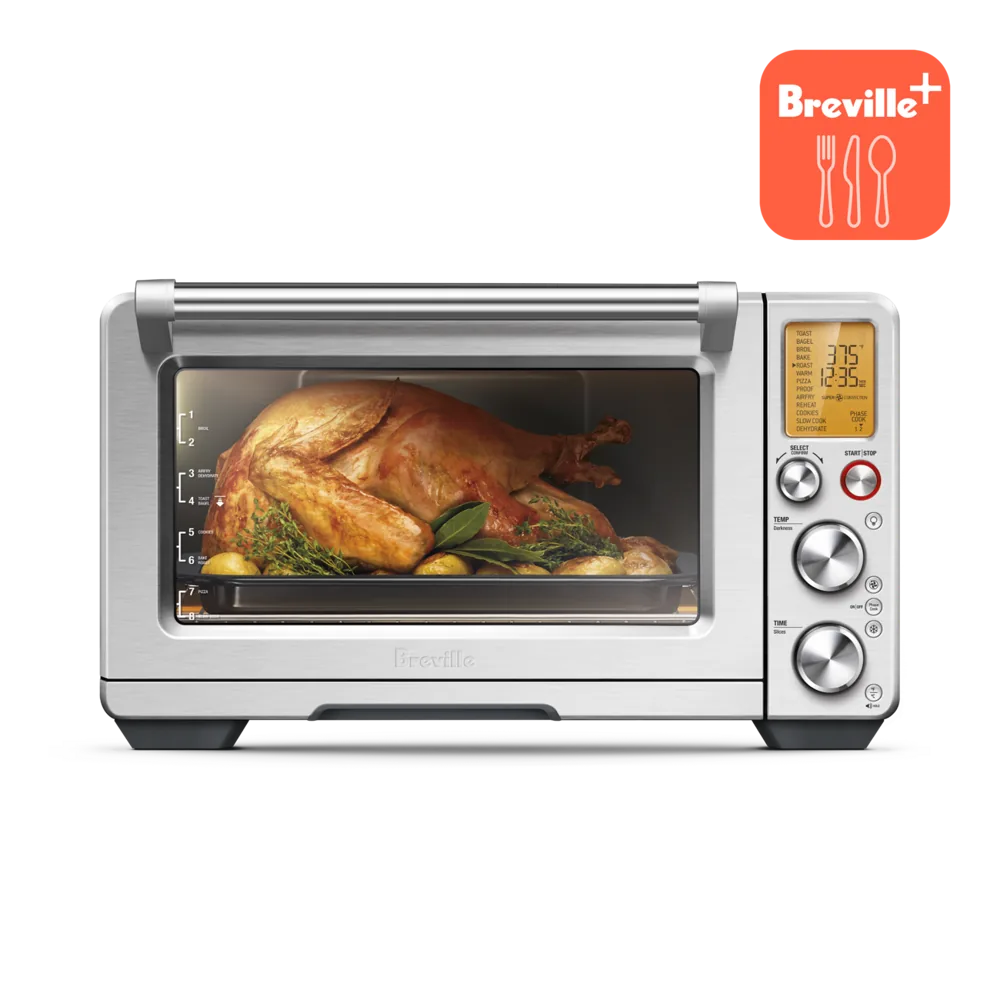
Philips publishes baking-tin guidance by model group. Breville's BOV900 manual identifies its supplied racks and air-fry accessory. Ninja's FN101UK replacement-container listing names compatible references. These sources demonstrate different compatibility checks for different appliance formats, not a universal accessory rule.
Start with the cooking plate and a real meal
The supplied plate or tray may already cover your main task. Write down the recurring meal an extra rack or dish would improve, then inspect the model's instructions for that setup. If the new accessory changes how food is positioned, follow the relevant loading guidance rather than assuming it creates additional independent cooking space.
A baking dish needs room for its sides, rim, and handles. A rack needs the approved support and height. Check those details before comparing prices. Measure the accessory and the usable cooking area separately, because the cavity's top opening can be larger than its floor.
Do not build the purchase around liners
If you want liners for cleanup, check the exact appliance and liner instructions before choosing them. This buying guide does not prescribe liner placement or endorse a universal material. Verify suitability instead of relying on a photograph of a similar basket.
Also ask whether the accessory genuinely reduces your full cleanup routine. A reusable item must be washed and stored. A disposable item becomes an ongoing cost. Compare the appliance's normal cleaning procedure before assuming an accessory removes that work.
Budget for replacement rather than novelty
A compatible replacement cooking plate, basket, or container may be more useful to investigate than a broad novelty bundle. Search by the full reference and check the official part number where available. Similar-looking parts can have different handles, feet, dimensions, or attachment points.
Availability can change, so record the date and seller without treating a listing as a permanent promise. If you cannot locate a replacement for a part essential to your intended routine, ask manufacturer support. Do not substitute a part solely because its photograph looks close.
A bundle decision example
Suppose one offer includes several racks and silicone pieces, while another includes only the standard cooking setup at a lower price. List your first three recurring meals and identify a verified use for each extra. An accessory with no identified compatible task receives no practical value in this comparison, even if the bundle assigns it a suggested price. You can still buy useful extras later. Starting with the documented supplied setup helps you understand the real limitations before choosing accessories intended to solve them.
A restrained first accessory order
Start with the included setup and one verified extra that serves a frequent task, if you need any extra at all. Add other accessories after understanding the appliance's actual routine. This approach keeps the buying decision focused on compatibility and use rather than a bundle's impressive item count.
- Confirm the exact included-parts list.
- Name the recurring task for each proposed extra.
- Check manufacturer compatibility and placement guidance.
- Measure rims, handles, and usable height.
- Look for official replacement references.
- Include accessory washing, storage, and recurring costs in the budget.
Behind this guide
Sources & editorial method
This guide combines original editorial decision support with the linked documentation. It is not a hands-on product test. Check the exact regional model and its manual before purchasing or using an appliance.
- Philips: compatible baking tins and model groups ↗Checked
- Breville BOV900 instruction booklet ↗Checked
- Ninja Ireland FN101UK glass container compatibility ↗Checked