On this page
Start here
Buy separate baskets for separate jobs
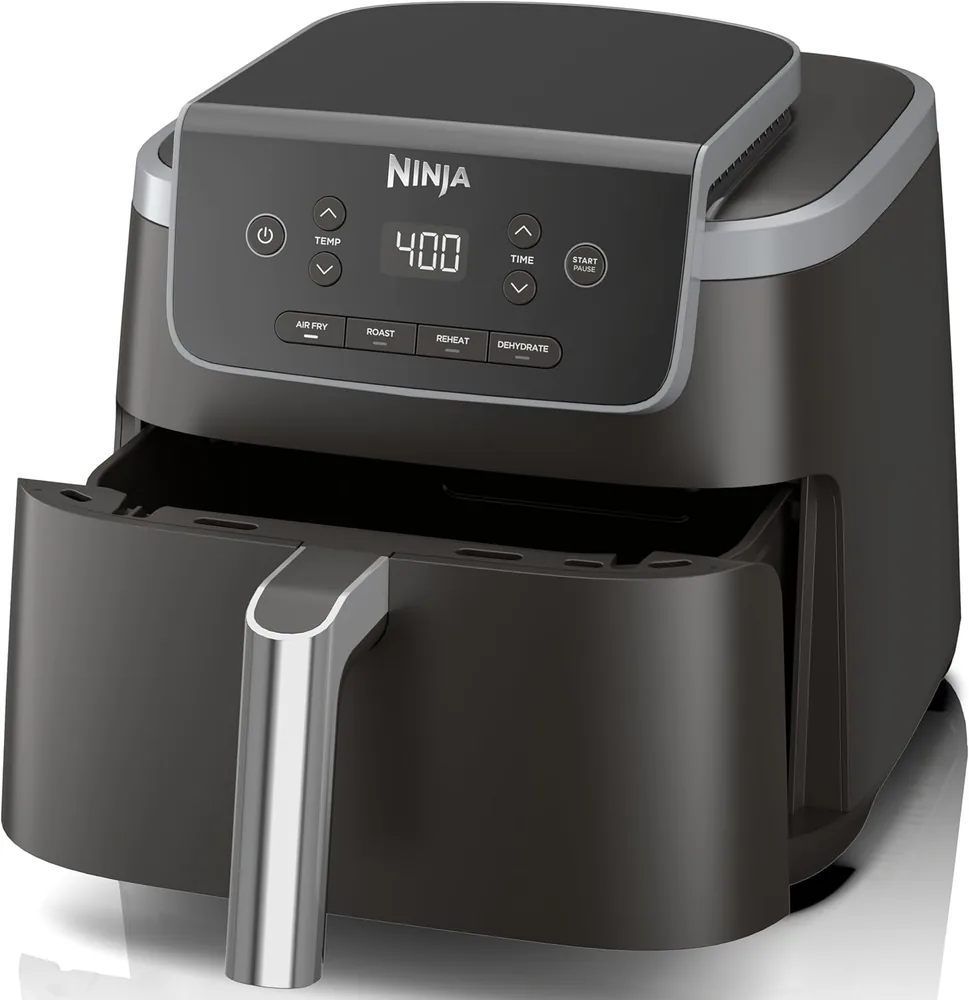
Choose a dual-basket air fryer when independent cooking settings solve a recurring meal problem. Choose a single basket when you mostly cook one shared item or need a wider uninterrupted space. Two baskets are a layout choice, not an automatic upgrade in cooking quality.
The combined capacity of a dual model can obscure the size of each drawer. A large item that fits one broad single basket may not fit either of two smaller drawers. Conversely, a single basket cannot necessarily give two different foods their own settings at the same time. Identify which limitation matters in your kitchen.
Map temperature and timing separately
List three common dinners. For each, write down whether its air-fried components need the same settings or separate ones, using the guidance for the food and appliance. A meal that uses the stove for its side may not benefit from two baskets. A meal requiring two different air-fryer tasks may.
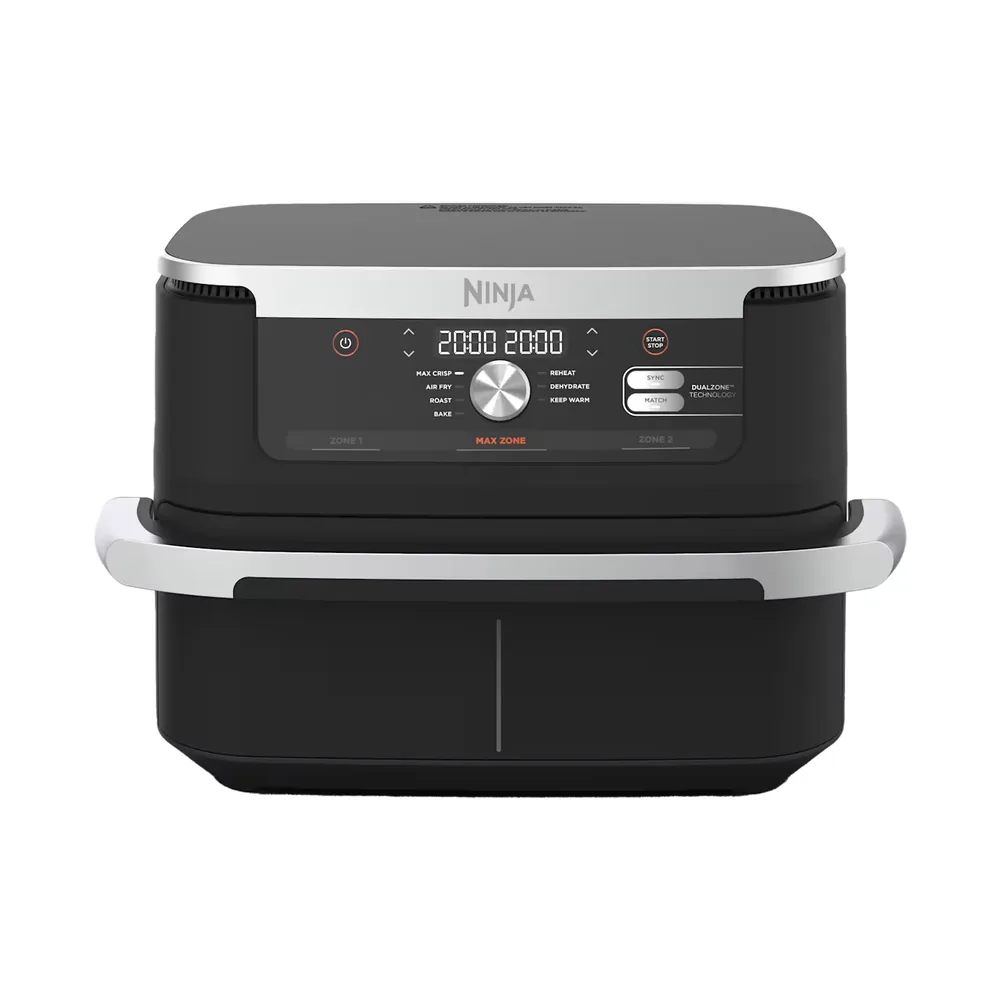
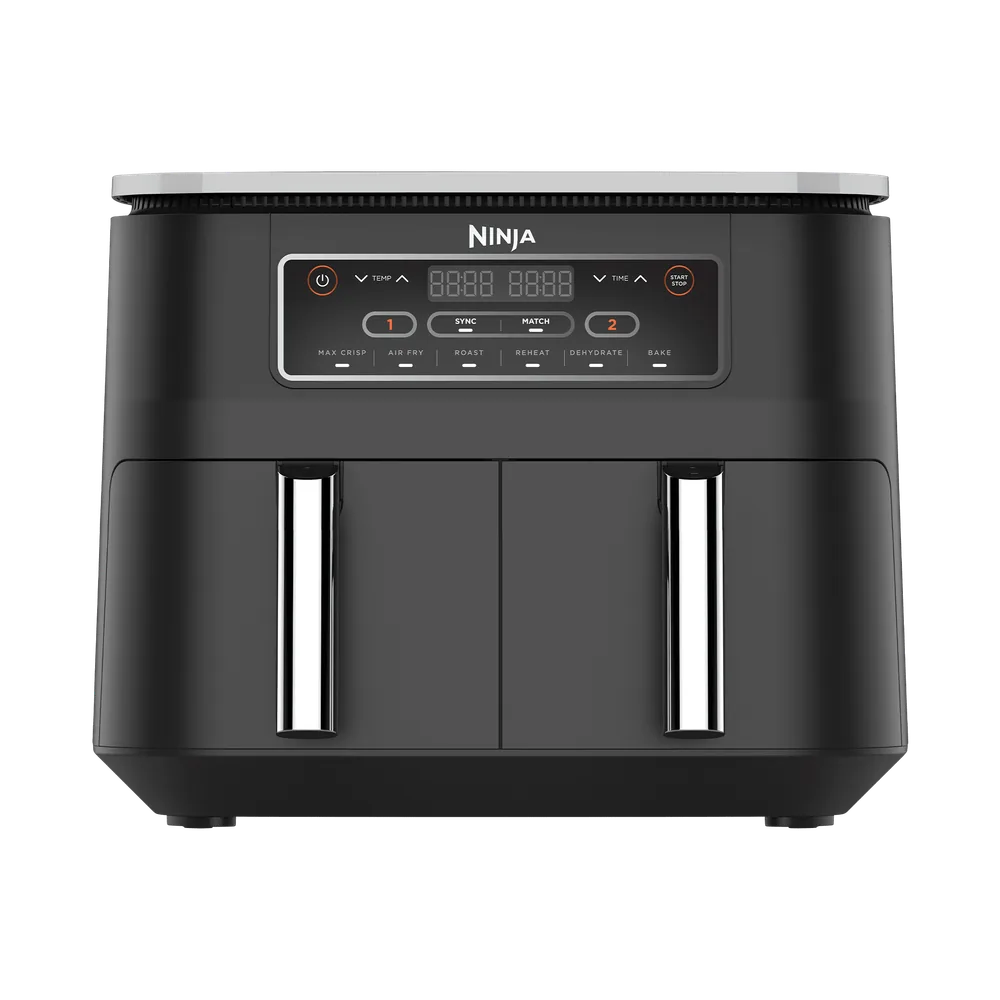
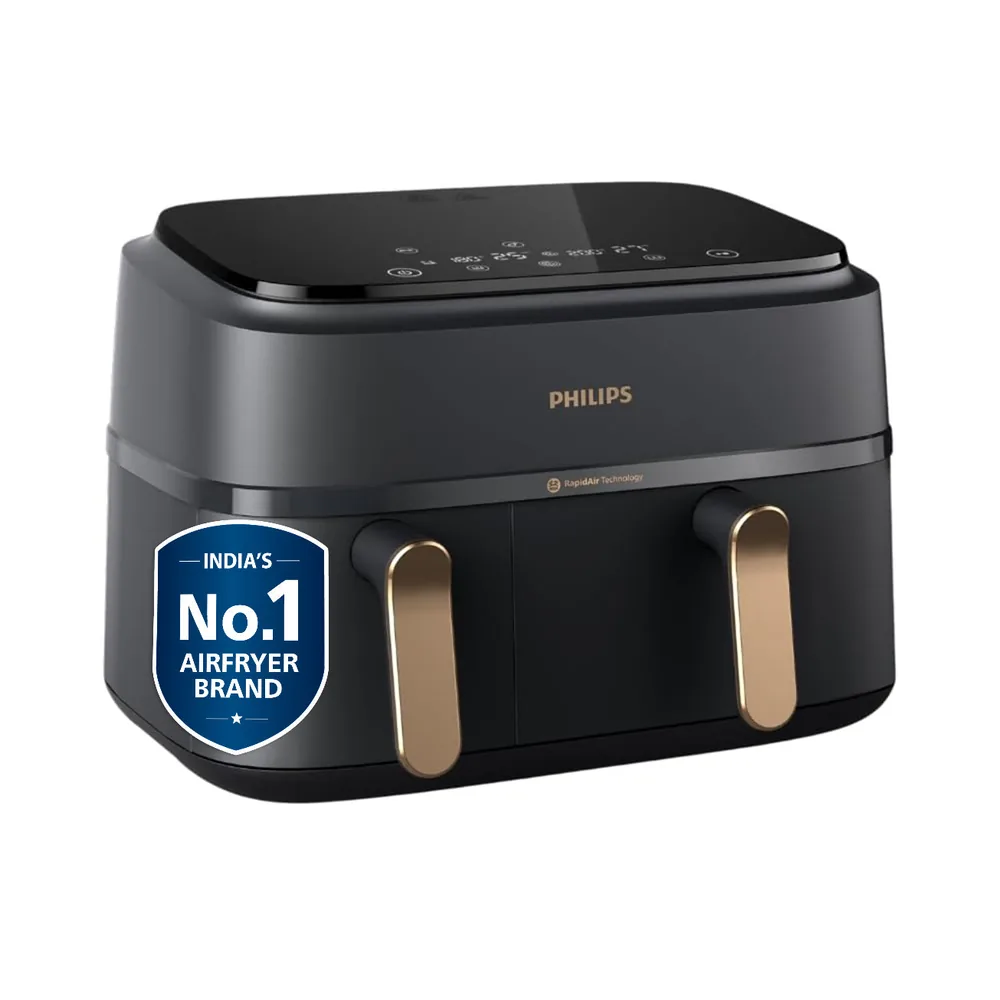
Philips presents NA352/00 as a dual-basket design for coordinating two dishes. Ninja's AF451UK product page identifies SYNC and MATCH controls for its separate drawers. Compare those specific functions, then check the food using the appropriate method before serving either part of dinner.
Check the individual cooking surfaces
Measure the food arrangement against each drawer, not just the appliance total. If your normal main occupies most of one drawer, the advertised combined volume can give a misleading sense of room. Confirm internal dimensions or compatible accessories when the shape of an item matters.
For a single-basket shortlist, make the same check. A wider surface may reduce a second batch, while a taller cavity may be more useful for a different food. Basket area, usable height, and the loading instructions all contribute to practical capacity.
Be clear about synchronization
Matching settings and finishing together are different functions. A control that copies the same program into both zones is useful for two batches of the same food. A finishing-time function may delay one zone so tasks with different durations end together. Read the exact model manual to see how those options work.
Also check what happens if one drawer is removed, a setting changes, or one component is ready early. These details affect ordinary use more than a logo naming the feature. Do not assume all dual-basket appliances handle interruptions identically.
Price the extra handling
Two baskets can help organize a meal, but both need a place to sit, dry, and store. Check whether they fit your sink individually and whether the manual permits your intended cleaning method. A broad single drawer has a different handling burden, especially when full.
If several people share the appliance, test how clearly the selected zone is shown. A control panel that is easy for one cook may still confuse another. The right layout is the one your household can use consistently without having to reconstruct a complex sequence at every dinner.
A layout decision in two questions
Ask first whether your usual food needs an uninterrupted surface that will not fit either individual dual drawer. If yes, keep a broad single basket or verified flexible drawer on the shortlist. Then ask whether two independent settings regularly solve a separate problem. If yes, keep suitable dual layouts too. When both answers are yes, there is a real compromise to resolve with a flexible format or your existing oven. When both are no, clearer controls and easier cleaning can decide between the remaining options.
How to make the final choice
Choose the single basket if uninterrupted food fit is your main need and independent settings are rarely useful. Choose dual baskets if separate settings repeatedly remove a practical bottleneck and each drawer fits its intended portions. If you genuinely need both layouts, investigate a removable-divider design rather than assuming fixed drawers can be joined.
- Compare one normal main and side on both layouts.
- Check each drawer separately on dual models.
- Distinguish copied settings from coordinated finish times.
- Read the behavior when a drawer is removed or stopped.
- Measure handling and cleaning space for removable parts.
- Treat cooking quality as a separate question needing model-specific evidence.
Behind this guide
Sources & editorial method
This guide combines original editorial decision support with the linked documentation. It is not a hands-on product test. Check the exact regional model and its manual before purchasing or using an appliance.
- Philips NA352/00 3000 Series Dual-Basket product details ↗Checked
- Ninja AF451UK Smart Cook System product details ↗Checked