On this page
Start here
The decision is shared space versus separate handling
A removable-divider air fryer is worth considering if you often switch between one large item and two separately configured cooking areas. Two fixed drawers are worth considering if you prefer removing, serving, or cleaning each component independently. Compare those physical actions before focusing on the product's total capacity.
A flexible chamber is not the same thing as two baskets that you can lift out individually. It may offer useful configuration choices while still requiring you to handle one broad drawer. That distinction becomes important when the drawer is full or when only one part of dinner needs attention.
Verify what the divider actually does
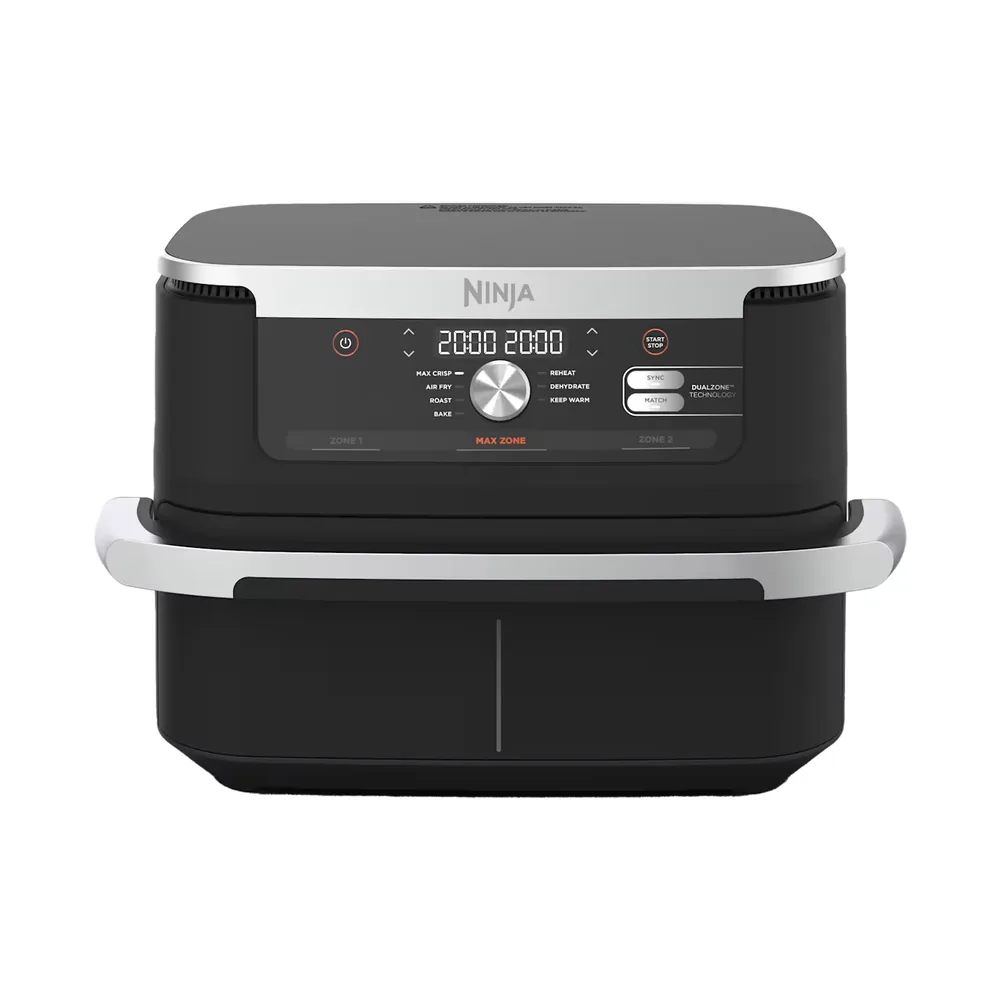
Ninja's AF500UK product page describes divided zones and removal of the divider for a larger MegaZone. That is a specific example of a flexible cooking layout. Compare the divided and undivided arrangement against your meals, and confirm the relevant operating sequence in the current exact-model instructions.
Before buying, confirm the permitted configurations and whether the cooking plates change between them. Do not improvise a larger zone by removing a part unless the model's instructions allow it. A product photograph showing two compartments does not explain how each operating mode is selected.
Try the largest recurring food first
The clearest reason to choose a flexible drawer is a recurring food that cannot fit in either individual drawer of your fixed-dual shortlist. Check the usable surface and height rather than only litres. Include any dish, handle, or accessory that must fit alongside the food.
If that larger item is an occasional celebration meal, weigh whether your existing oven already handles it. Buying a much wider air fryer for a rare task may add unnecessary daily bulk. If the item appears in your weekly menu, the extra uninterrupted space has a stronger practical case.
Compare removal and serving
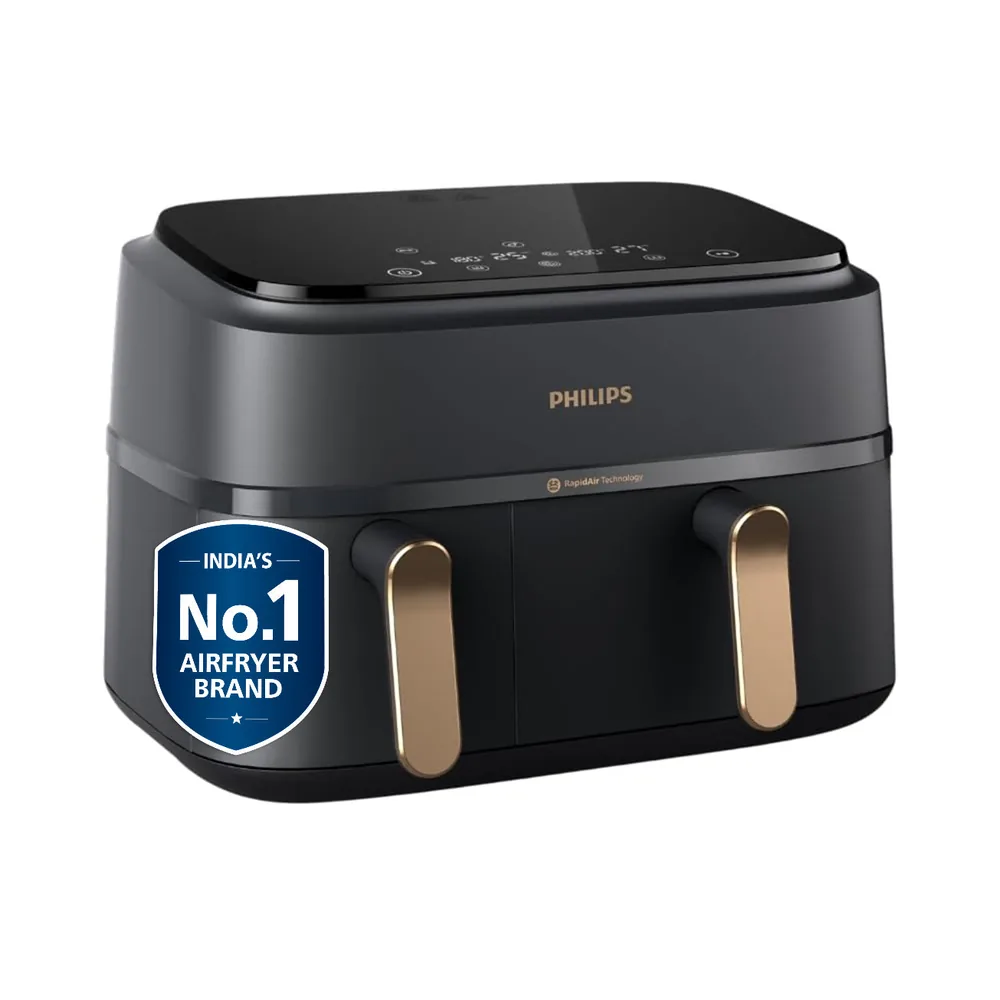
With separate drawers, you can usually think about each removable container as its own handling task, subject to the exact instructions. With a common drawer, moving the physical container may involve both food areas even if their settings are separate. Consider how you serve one component before the other.
Sketch a complete sequence: load, inspect, remove food, serve, and clean. A synchronized finish does not automatically make those steps equally convenient. Different preferences about handling can justify different buying choices without either format being a universal winner.
Measure the drawer away from the appliance
Check whether the broad removable drawer fits the sink, drying rack, and intended storage location. The appliance may fit the counter while its largest removable part feels awkward elsewhere. Conversely, two smaller drawers can take up more total drying space when both are used.
Look at divider storage too. If you expect to change layouts often, give it a defined location so it does not become a missing accessory. Read the manual's cleaning guidance for the divider, plates, and drawer separately rather than assuming every component has the same treatment.
When independent removal matters
Imagine a meal where you serve one component first and keep working with the other. A common drawer may make the physical removal sequence less convenient even when its zones are controlled separately. Two separate drawers may suit that routine better, provided the food fits each one. Now imagine a large recurring item that needs uninterrupted space. The flexible layout may earn its place for a different reason. Keep serving actions and cooking settings in separate comparison columns so the benefits do not get confused.
A useful shortlist rule
Choose flexible space when a large shared cooking area solves a regular fit problem and handling one broad drawer is acceptable. Choose separate drawers when independent removal is central to your routine and each basket fits its food. If neither advantage appears in your weekly menu, a simpler single basket may deserve a place on the shortlist.
- Verify divider removal is an approved operating configuration.
- Confirm the controls required for divided and undivided cooking.
- Check the largest recurring food against usable internal space.
- Compare serving one component before the other.
- Measure the broad drawer for sink and drying-rack fit.
- Plan storage for divider and cooking plates.
Behind this guide
Sources & editorial method
This guide combines original editorial decision support with the linked documentation. It is not a hands-on product test. Check the exact regional model and its manual before purchasing or using an appliance.
- Ninja AF500UK FlexDrawer product details ↗Checked
- Philips NA352/00 3000 Series Dual-Basket product details ↗Checked