On this page
Start here
Use the tofu specified by your recipe
For air-fryer tofu, start with a method that identifies the tofu type and preparation. A recipe written for firm cubes does not establish the same handling routine for a softer product. Moisture management, cut, and coating belong in the plan before you choose the appliance's cooking function.
Record the tofu type and preparation together so you can select a method that matches the ingredient you bought. Use a documented recipe for the actual ingredient and follow the appliance instructions for its setup.
A primary-source preparation example
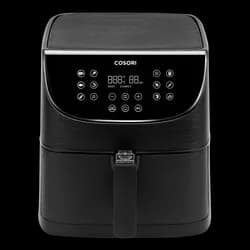
COSORI's tofu-and-broccolini recipe specifies extra-firm tofu, draining and pressing, and a defined cube preparation before its cooking stages. That illustrates how the starting ingredient and preparation are part of the method. We are not reproducing its recipe or transferring its timings to every air fryer.
Read the tofu package as well as the recipe. If the product's instructions differ from what the recipe assumes, choose compatible guidance rather than quietly combining them. Keep the ingredient reference and preparation method in your cooking note.
Choose one moisture and coating routine
A recipe may call for draining, pressing, marinating, patting dry, starch, oil, or another coating. Follow one coherent method rather than adding every tip you find online. Those choices affect the starting condition you are comparing across attempts.
Write down what you actually did. If the tofu was prepared differently on the second attempt, do not attribute the changed result entirely to the appliance. Avoid inventing a required pressing duration for every product. Use the chosen method and the food's own guidance where it applies.
Make the cut meaningful
Record cubes, slices, slabs, or another shape with a practical size description. The cut influences how the portion fits and how it can be handled, so one block of tofu is not a complete cooking record. Match the recipe's cut instead of relying on a portion weight alone.
Use the model's approved plate and loading arrangement. If the quantity does not fit that setup, plan a separate batch or a different suitable method. A larger pile does not become the same experiment merely because the preset name remains unchanged.
Plan when the sauce is added
Some methods apply a marinade before cooking, while others add a sauce afterward or use separate stages. Keep that sequence attached to the selected recipe. A finished coated tofu dish and plain cubes intended for a later sauce are different goals.
Consider the whole serving plan: tofu may accompany separately prepared vegetables, rice, or another component. You do not need to make every part occupy the basket at once. Choose the documented arrangement that keeps preparation and cleanup manageable for the meal.
Example: separate preparation from seasoning
Consider two tofu dinners you want to compare. For the first, follow the chosen recipe exactly and record the tofu type, preparation, cut, and coating. For the second, change just the flavour ingredients you want to explore while retaining the preparation the recipe requires. If you also switch tofu texture, cube size, and loading quantity, the two results will answer different questions. Keep a short note of what you enjoyed with the vegetables or sauce. A useful tofu routine begins with a clearly identified product and preparation, then leaves room for personal flavour choices.
Keep a useful texture record
Record the tofu type, preparation, cut, coating sequence, amount, model, arrangement, and observed texture. If you want to refine it, change one compatible variable at a time. That method gives you a personal equipment reference without an invented guarantee of restaurant-like crispness.
- Match tofu type and package guidance to the recipe.
- Use one coherent draining, pressing, and coating method.
- Describe the shape and size of the pieces.
- Check the permitted loading layout before increasing quantity.
- Keep sauce timing tied to the chosen recipe.
- Record texture and a single deliberate change for the next attempt.
Behind this guide
Sources & editorial method
This guide combines original editorial decision support with the linked documentation. It is not a hands-on product test. Check the exact regional model and its manual before purchasing or using an appliance.
How we research and publish our guides