On this page
Start here
A mixed bowl needs a cooking plan before seasoning
When roasting mixed vegetables, decide which pieces can follow the same documented method and which are better prepared separately. Vegetables is too broad a category for one guaranteed timer. The food types, cuts, quantity, appliance, and desired texture all belong in the plan.
Use a recipe that identifies those details rather than choosing a preset from the name alone. Plan the components and stages before combining ingredients. Record the supported arrangement so you can compare the result when changing a mixture.
A primary-source example of separate batches
COSORI's roasted vegetables bowl recipe prepares different vegetable groups in separate stages. That is a useful example of planning a mixed serving bowl without assuming all its ingredients share the same cooking setup. Its quantities and settings remain attached to that recipe and appliance context.
When choosing your own mixture, ask whether the recipe explicitly groups the vegetables you have. If not, use appropriate separate methods or find a closer recipe. Combining foods at serving time does not require that they all occupy the air fryer together.
Describe the cut in practical terms
Record whether you used slices, cubes, florets, halves, or long strips, along with a meaningful size description. A recipe using small pieces does not establish a result for large chunks of the same vegetable. If a food has distinct parts, such as a thick stem and a delicate tip, include how each was prepared.
Aim for the consistency specified by the chosen method. Do not assume a preset can resolve every size difference. If several pieces are much larger, the preparation itself is a variable to address before treating the appliance as the problem.
Match portions to the permitted layout
Check the food arrangement and any maximum-loading guidance in the appliance instructions. A mixed batch can look manageable by weight while occupying the surface unevenly. A compatible cooking plate or dish should be used in its intended configuration.
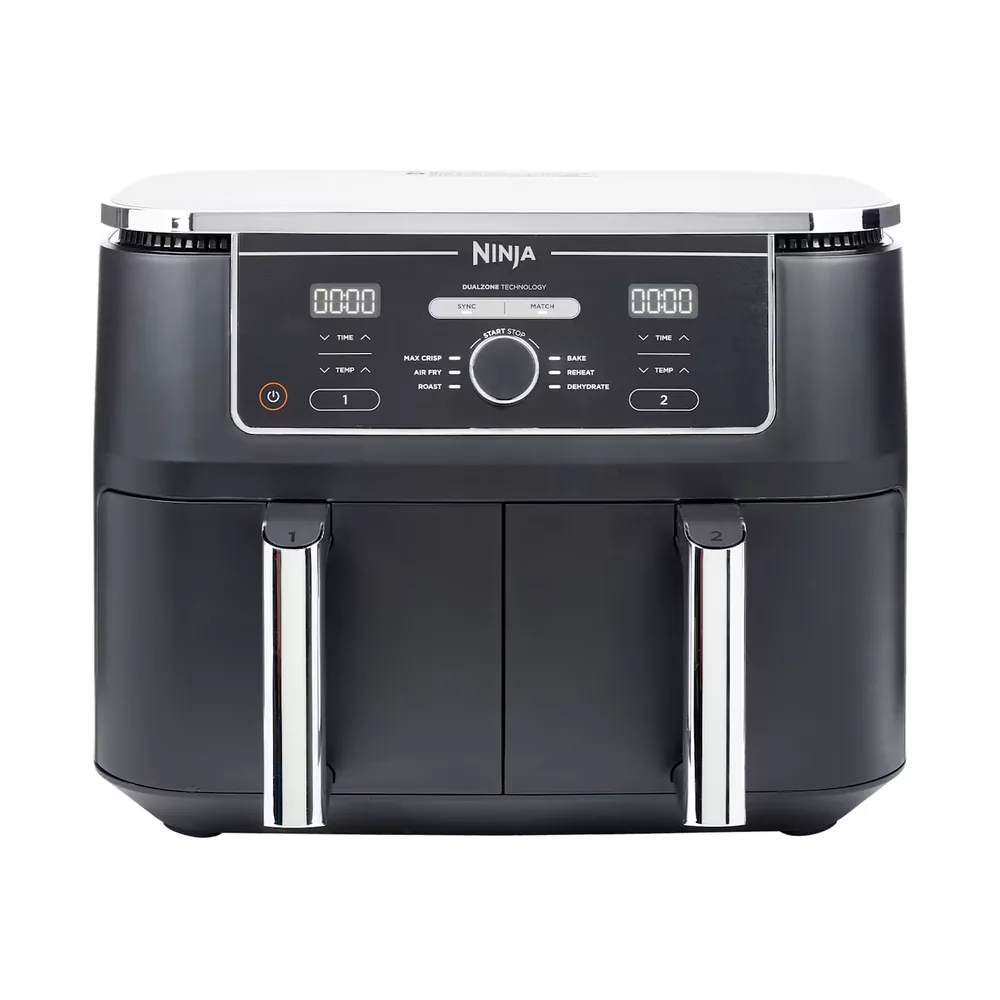
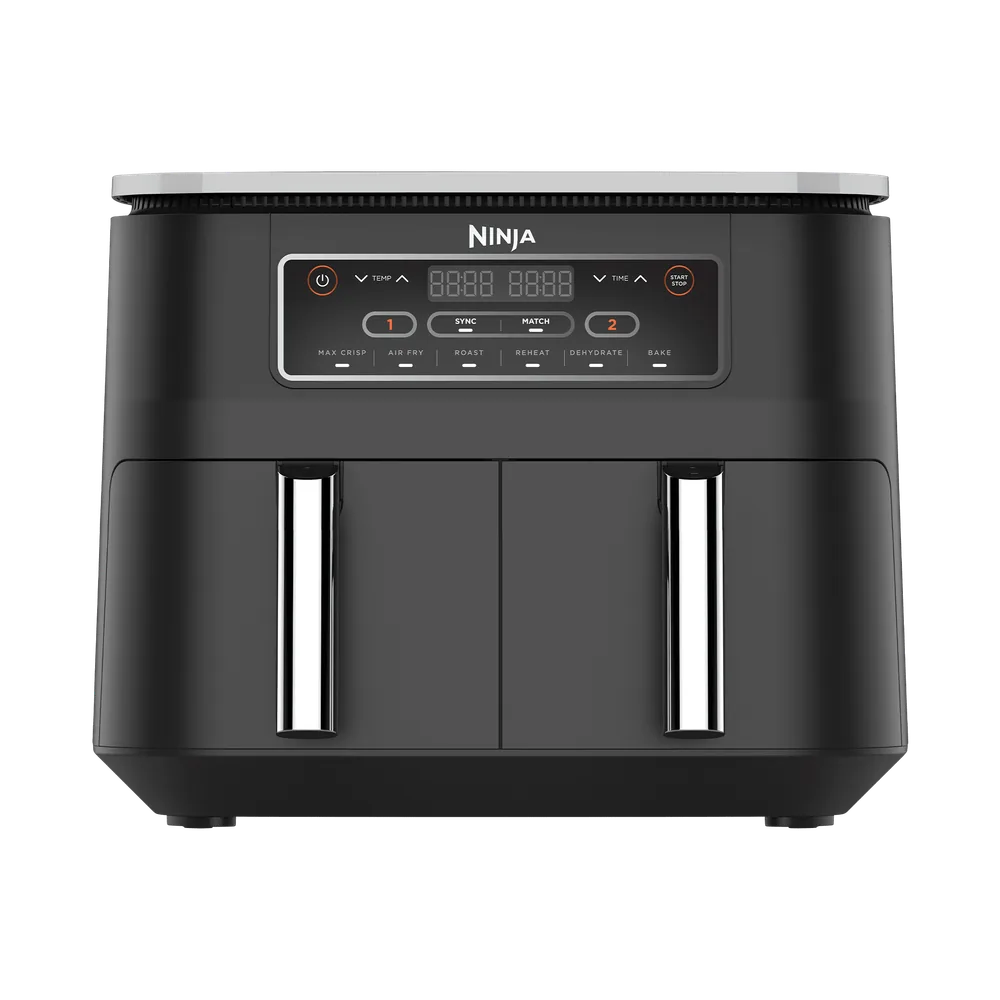
Plan a separate batch when the supported arrangement requires it. If you are using two zones, each needs its own food-fit check and settings appropriate to the intended component. Combined litres do not tell you whether the individual group fits its assigned drawer.
Taste goals are separate from a preset name
Decide whether you want softer vegetables for a mixed bowl or a firmer roasted side. Then use an appropriate method and its completion checks. A recipe can be successful for one serving purpose yet differ from the texture you expected for another.
Record observations specifically: larger pieces remained firmer, one group darkened sooner, or the cut did not match the recipe. These notes are more helpful than saying vegetables failed. They point to a preparation or grouping choice you can investigate on the next attempt.
Example: organize a mixed vegetable bowl
For a bowl containing several vegetables, write a small component list before loading the basket. Put the vegetable name, cut, recipe stage, and serving role next to each item. If the selected recipe separates ingredients into stages, prepare containers for those stages rather than mixing everything immediately. Decide which components can be served at room temperature and which you want to finish last. This turns a vague plan to cook vegetables into a sequence you can follow. It also gives you a sensible record when changing the selection next week.
A mixed-vegetable planning checklist
Keep each ingredient's preparation visible, and do not hesitate to combine separately cooked components at the table. A planned mixed bowl is more repeatable than treating the vegetable program as a catch-all answer.
- Select a recipe matching the vegetables and appliance format.
- Record cuts and meaningful piece sizes.
- Separate groups when their documented methods differ.
- Check the actual surface arrangement for each load.
- Use appropriate completion checks for the intended dish.
- Describe texture differences before changing the next preparation.
Behind this guide
Sources & editorial method
This guide combines original editorial decision support with the linked documentation. It is not a hands-on product test. Check the exact regional model and its manual before purchasing or using an appliance.
How we research and publish our guides