On this page
Start here
Identify oil already present
Start with the food's label or recipe. Some prepared products already include oil or a coating, while a freshly cut vegetable begins with a different surface. Adding oil automatically treats those foods as if they were the same. Look for the supported preparation of the exact product or ingredient instead. The air fryer is the appliance; it does not determine one correct oil quantity for every food placed inside it.
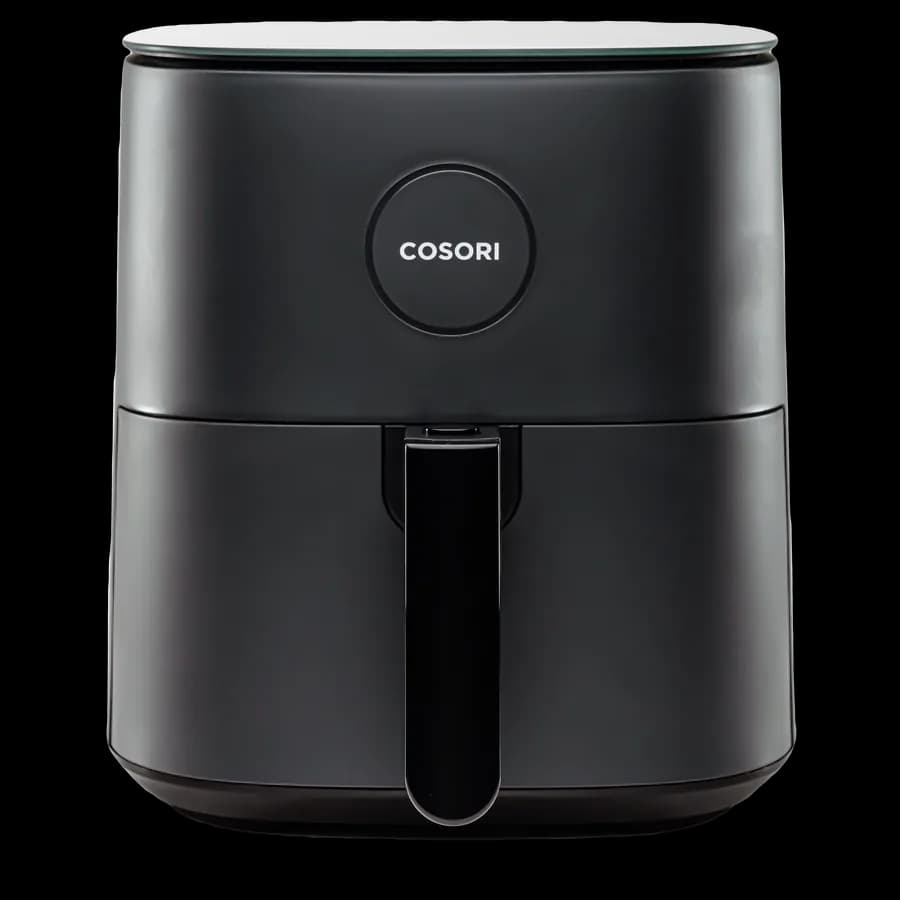
COSORI's classic pizza recipe applies oil as part of a particular base method. That supports following the recipe's application step, not borrowing its amount for a basket of vegetables. The Pro LE product guidance likewise points owners to detailed model instructions. Keep recipe quantity and appliance care limits together. Avoid selecting an oil amount from a marketing phrase about using less fat, which is not a measurement for your portion.
Make application a separate step
If a supported recipe calls for coating loose ingredients, use its specified preparation and suitable utensils. Measuring the ingredient quantity and the oil makes later notes more useful than an unrecorded pour. Decide whether coating happens in a mixing bowl or another approved preparation stage. Do not spray near an active appliance or introduce products whose suitability for the appliance's surfaces and intended food method is unknown.
For an example, one cook prepares a small portion of wedges on Monday and a larger portion later. Keeping the same oil measure without considering the recipe's quantity can create a different coating. Record both amounts and the preparation method. This is a way to organise information, not a claim that oil must scale by a universal ratio. Follow the selected recipe rather than inventing a rule from the example.
Separate oil from moisture and residue
A wet ingredient surface, added sauce and leftover grease are different things. More oil cannot be assumed to fix a preparation that requires drying, draining or a different loading arrangement. Check the recipe before altering its coating. Likewise, a sticky basket after cooking is a care issue to resolve with approved cleaning, not a reason to keep adding oil until food releases from an unclean surface.
If a food browns unevenly, note its cut size, loading and coating distribution before changing the amount. A few pieces covered heavily and others left dry make your setting comparison less informative. Keep all adjustments within the method and the manufacturer's guidance. Do not use oil as a blanket response to every pale edge, or make unsupported claims that a particular coating will guarantee crispness or prevent sticking in every basket.
Keep a reproducible preparation note
A useful record names the ingredient, its starting state, preparation quantity, specified oil and application method. Add the mode and arrangement, then describe the result in concrete terms. For a packaged product, preserve the package instructions and note whether they directed adding anything at all. If you change brands, recheck rather than assuming another product's existing coating has the same preparation requirements.
Treat nutrition and flavour preferences as separate choices from safe operation and food readiness. This guide does not prescribe an oil for medical benefits or claim an amount makes a meal healthier. Its purpose is practical: use appropriate instructions, know what is already in the food and keep the coating step deliberate. That gives you a method you can repeat without turning a model-specific recipe or slogan into a universal spoonful.
Behind this guide
Sources & editorial method
This guide combines original editorial decision support with the linked documentation. It is not a hands-on product test. Check the exact regional model and its manual before purchasing or using an appliance.
How we research and publish our guides