On this page
Start here
A colour description is only an observation
Stop and use the appliance safety response first. Record the food, programme, timing and accompanying smell; use the exact smoke guidance to decide whether approved cleaning or support is next. If smoke appears, follow the appliance's stopping and safety instructions before investigating. Do not continue a meal simply because someone calls the smoke white. Describe what you actually saw, where it came from and whether there was an unusual smell or other symptom. Colour can be difficult to judge in kitchen lighting, and an online label is not a diagnosis of the condition inside your appliance.
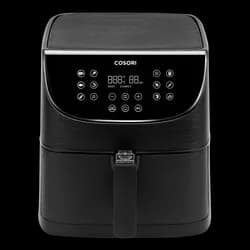
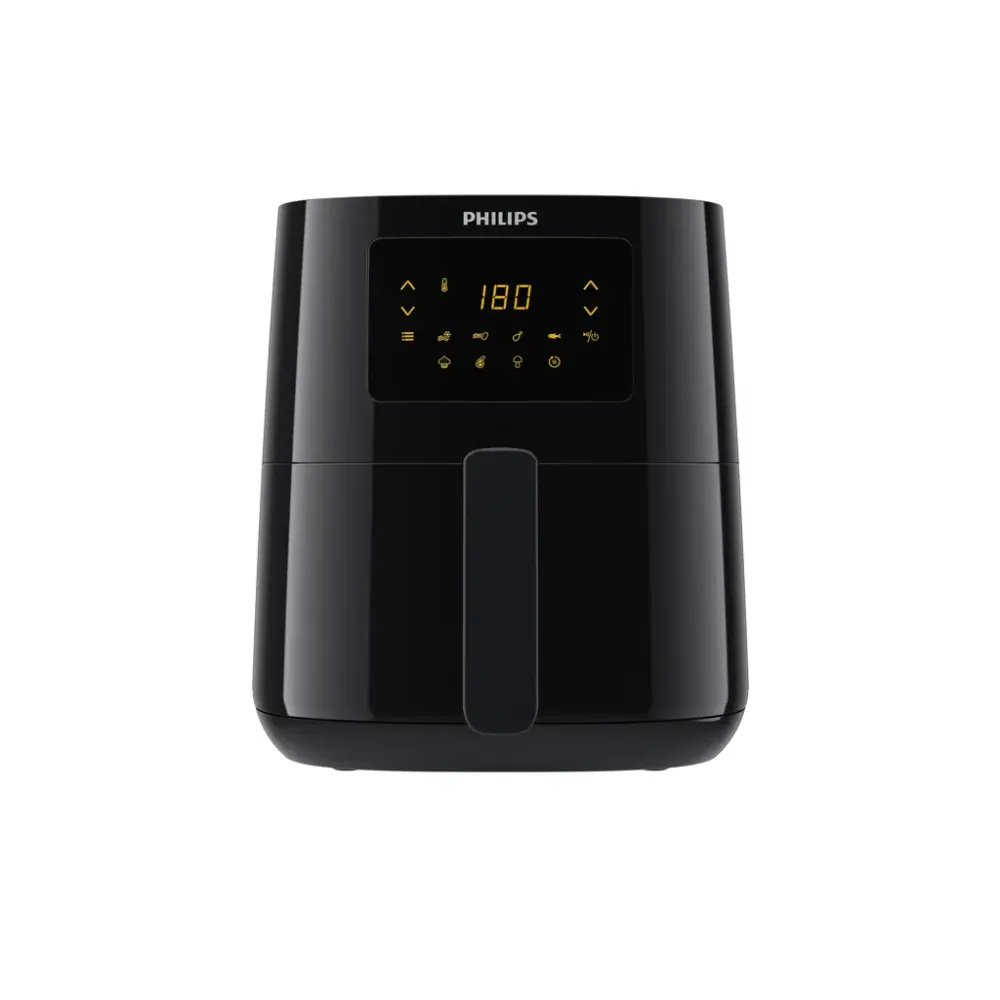
Philips' white-smoke support identifies grease and previous residue among possible explanations for its documented models. That is a manufacturer troubleshooting example, not a guarantee that smoke from every fryer is harmless. Read the applicable model guidance in full. If the situation does not clearly match it, or anything suggests damage or an electrical problem, leave the appliance out of use and contact the manufacturer.
Capture the meal context
Record the food, starting state, amount, mode and accessories involved. Note whether the appliance had just been cleaned, whether it was the first use and whether the symptom appeared immediately or later. These details help distinguish situations without opening the housing. Do not restart it solely to reproduce the smoke for a video. A written description of the original event is useful even when the visible cloud was brief.
For an example, a cook notices smoke during a fatty-food meal and remembers that the basket was not cleaned after the previous session. That information is worth reporting, but it does not prove the cause. The next decision still comes from the matching care and troubleshooting instructions. An explanation that seems plausible should guide a careful question, not become permission to ignore an unresolved symptom.
Keep cleaning within the supported response
Once safe handling is possible under the instructions, check the owner-accessible parts the manufacturer identifies. If its response includes cleaning, use that exact approved method. Do not pour water into a standard basket fryer, add bread to absorb grease or run a hotter empty cycle because another household reported success. Those are changes to operation, and the relevant question is whether your model specifically supports them.
If there is visible damage, a concerning smell or residue beyond the allowed access area, stop the care attempt and ask support. Make a photo of safely visible cold parts if useful. Do not reach behind the element or remove guards to find the presumed cause. The goal is to follow a documented troubleshooting path, with a clear stopping point when the observation no longer fits an ordinary owner-care task.
Decide readiness from guidance, not disappearance
Smoke stopping when the programme ends does not itself establish that the appliance is ready for another meal. Keep the manufacturer's required response and any unresolved question visible. In a shared kitchen, mark the unit unavailable so another cook does not unknowingly conduct the next test. Describe the status briefly: symptom observed, guidance checked and support needed. Avoid presenting an assumed diagnosis as a settled fact.
For your records, keep the event date, exact model, food context and care steps taken. If support advises a particular action, retain that advice with its scope. A recurring symptom deserves follow-up even if earlier cleaning seemed to help. The useful outcome is an explained and appropriately handled situation, not simply a kitchen without visible smoke. Your record should support that decision without inventing certainty about what happened inside the appliance.
Behind this guide
Sources & editorial method
This guide combines original editorial decision support with the linked documentation. It is not a hands-on product test. Check the exact regional model and its manual before purchasing or using an appliance.
How we research and publish our guides