On this page
Start here
Define what finished means
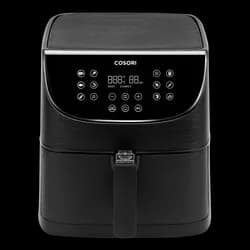
Start by switching the appliance off and allowing it to cool. Clean the removable basket and plate with the approved gentle method; complete drying before putting the pieces back. A cooking session is not complete simply because the food is on the plate. Decide what state the appliance should be in before the next person uses it: removable food-contact parts cleaned, loose debris addressed through the approved method, and components ready for reassembly. COSORI UK's cleaning guide advises cleaning removable parts after each use. Read the exact model manual for the supported handling and cleaning procedure before establishing your household routine.
The practical benefit is a clear starting condition. Without one, the next cook must guess whether residue belongs to the current meal or an earlier session. A short routine also separates ordinary cleaning from a maintenance problem. If a part looks damaged, record that separately instead of treating an increasingly aggressive wash as the obvious next step. Known clean is useful; cosmetically perfect is a different and sometimes unnecessary target.
Arrange the work around the meal
Identify when the manual permits handling and cleaning, then fit that stage into your evening. Prepare a place for the components and the specified cleaning tools rather than rushing them into a crowded sink. A household with a small counter may need to clear plates first. There is no value in a fast routine that requires stacking delicate parts beneath heavy cookware or losing an insert among the washing up.
For example, two people share dinner duties. One serves while the other clears a suitable washing area; the actual cleaning happens when permitted by the care instructions. They do not set a universal cooling timer from a different model. This example shows how assigning the next step makes the routine realistic. The method remains the manufacturer's, while the household decides who owns it and where it happens.
Inspect without turning the wash into repair
As you clean the removable parts, note obvious residue, damage or a missing component. Use the model's permitted removal sequence, especially where an insert, guard or basket mechanism is involved. Do not dismantle fasteners or hidden assemblies to satisfy a daily checklist. Ordinary care should remain within owner maintenance. A concerning change belongs in a support note, with a photo of the cold part if that can be taken safely.
Keep a simple distinction between something not yet washed and something washed but still suspicious. A greasy corner may need the approved cleaning procedure repeated; a crack or loose handle needs a different decision. Do not conceal either problem by reinstalling the part and hoping the next cycle explains it. The daily routine is useful precisely because it creates a moment to notice a changed condition before the next meal.
Finish with an explicit handoff
After following the manual's drying and reassembly instructions, leave the appliance in its intended ready state. If it is not ready, make that obvious to other users. A note such as insert drying separately is more useful than allowing someone to discover a missing part after preheating. Keep the note about status, not about blame. In a shared kitchen, the next cook needs to know what to do.
Review the routine after several meals. If cleaning keeps being postponed, identify the actual obstacle: sink space, uncertainty about parts, an unsuitable tool or an unclear division of work. Fix that obstacle instead of writing a more elaborate schedule. A successful after-use habit is short enough to follow and precise enough to leave known clean components. It should preserve the model-specific care procedure rather than inventing a universal cleaning recipe.
Behind this guide
Sources & editorial method
This guide combines original editorial decision support with the linked documentation. It is not a hands-on product test. Check the exact regional model and its manual before purchasing or using an appliance.
- COSORI UK cleaning guide ↗Checked