On this page
Start here
Preheating belongs to a specific method
The useful question is whether your chosen method starts with a cold or preheated appliance. Check the matching manual and the recipe before setting the timer. A recommendation from a different air fryer may describe a different programme or food. Treat an instruction such as preheat first as part of the complete procedure, not as a detachable trick that always improves every meal regardless of its starting assumptions.
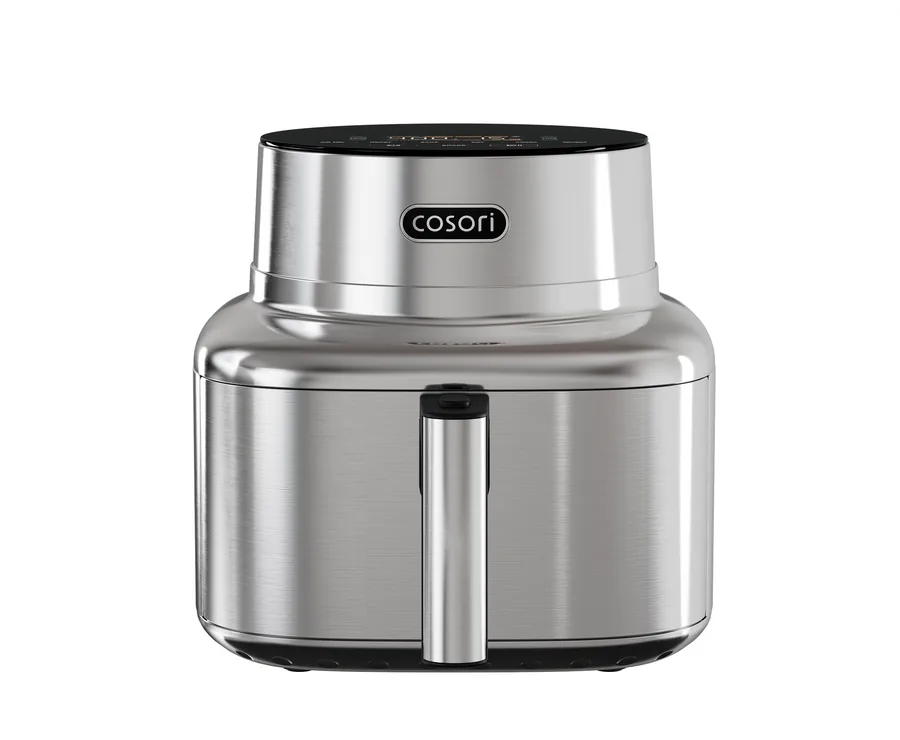
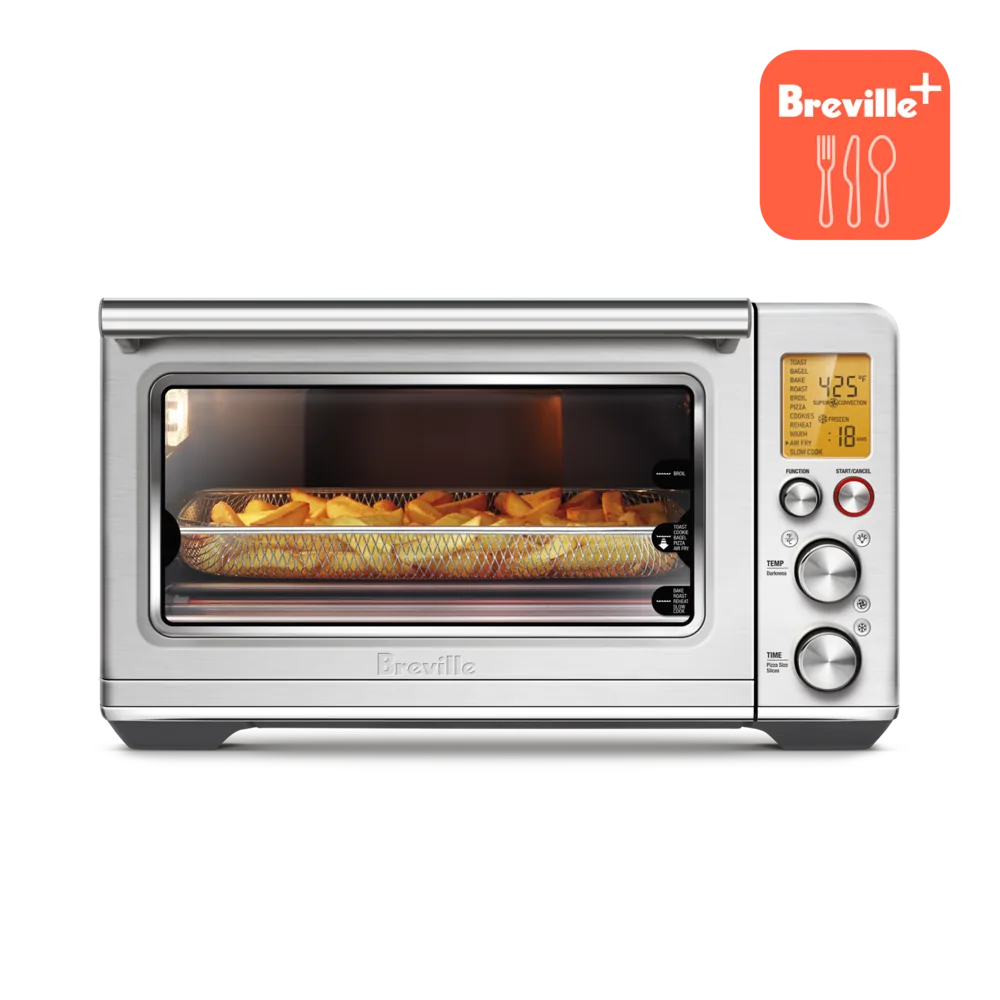
COSORI's classic Margherita method explicitly includes preheating; the regional Breville BOV860 book distinguishes functions with and without a preheat cycle. These examples show why the answer depends on the appliance and procedure. They do not support adding an empty heating stage to an unrelated machine. If your model's instructions say to load from cold, use an appropriate recipe rather than overriding them with a generic habit.
Understand when the countdown begins
Look at the programme's sequence. Some instructions describe reaching a set condition before adding food, while others start the cooking timer as soon as the programme begins. The display may show a preset, a preheating message or elapsed time. Read what those indicators mean for your appliance. Otherwise, two people can report the same number of minutes while actually describing different periods of food exposure.
Write your note in separate steps: appliance preparation, loading and cooking programme. This removes an ambiguity without inventing a conversion formula. If a recipe counts only the time after loading, do not casually include the earlier preparation period in its cooking duration. Likewise, do not assume a button labelled Preheat tells you where to place a particular pan; placement remains a separate instruction to verify.
Consider successive batches deliberately
The second batch begins with an appliance that has recently cooked food, not the same conditions as the first cold setup. Check the manual's guidance for repeated batches and any required preparation. Avoid repeatedly performing a long empty cycle solely because you used one at the start. Follow the supported procedure, and keep handling and cleaning needs visible between loads rather than treating the machine as a continuously available hot box.
Imagine preparing several small pizzas from the same recipe. The first preparation step may establish the required starting condition, but the later batches still need correct loading and checks. Record whether the appliance had just completed another batch when noting the result. That observation helps explain the context without asserting a predictable time saving. A familiar recipe should still be checked at its specified endpoint in each run.
Resolve conflicting advice before experimenting
If package directions and appliance instructions seem inconsistent, confirm you are reading the correct model and food product. A general oven instruction may not be an air-fryer procedure at all. Seek a matching official recipe or manufacturer clarification rather than averaging contradictory advice. There is no reliable reason to split the difference between cold-start and hot-start methods when their underlying assumptions are unknown.
For repeatable cooking, keep the preheat decision attached to the food, mode and accessory. A note that says simply always preheat loses the information needed when you switch to a cake, delicate food or a different programme. The aim is a clear start condition that supports the selected method. Once that condition is understood, you can assess the food itself instead of using preheating as a blanket explanation for every uneven result.
Behind this guide
Sources & editorial method
This guide combines original editorial decision support with the linked documentation. It is not a hands-on product test. Check the exact regional model and its manual before purchasing or using an appliance.
How we research and publish our guides