On this page
Start here
Read the chart heading and its context
Before looking at minutes, identify the appliance and the food the chart describes. A chart can belong to one model, recipe collection or programme. The word chicken may refer to a particular cut and preparation rather than every poultry item. If you cannot find the context, the number is incomplete information. Search for the original manufacturer document instead of relying on a cropped social image with its assumptions removed.
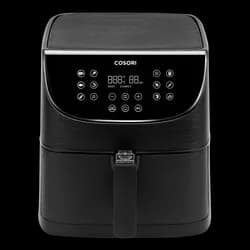
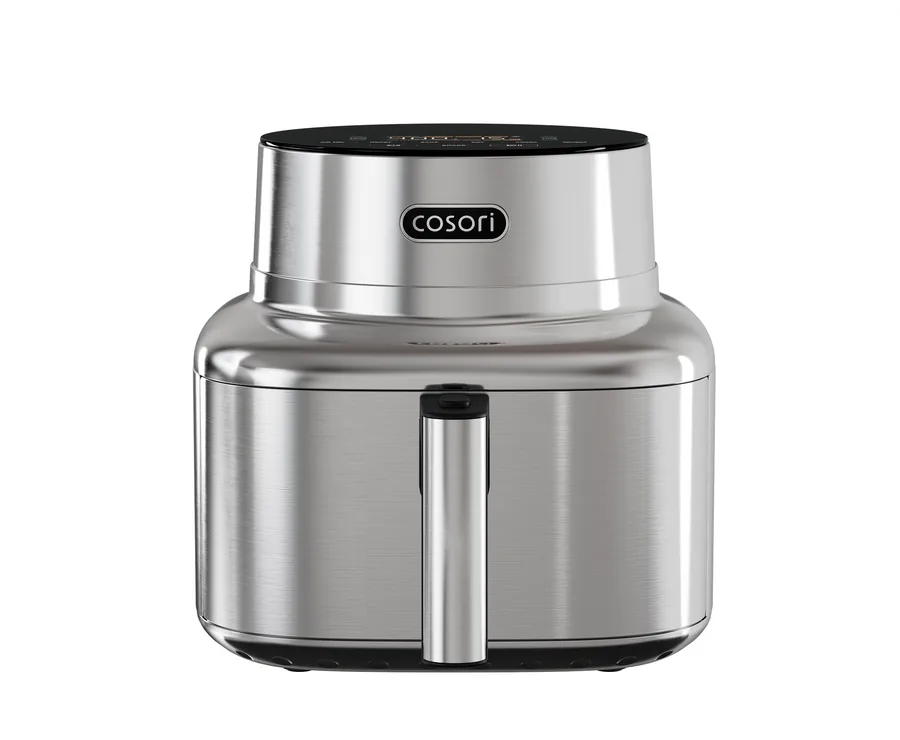
COSORI's current cooking-time article is presented around its Iconic model. That scope matters when someone applies its entries to another appliance. A manufacturer's chart can be helpful without being universal. Keep the chart title, model and access date in your note, and obtain instructions suited to the machine and food you have. Do not equate a table's authority with validation of every possible substitution.
Check the variables a short row cannot show
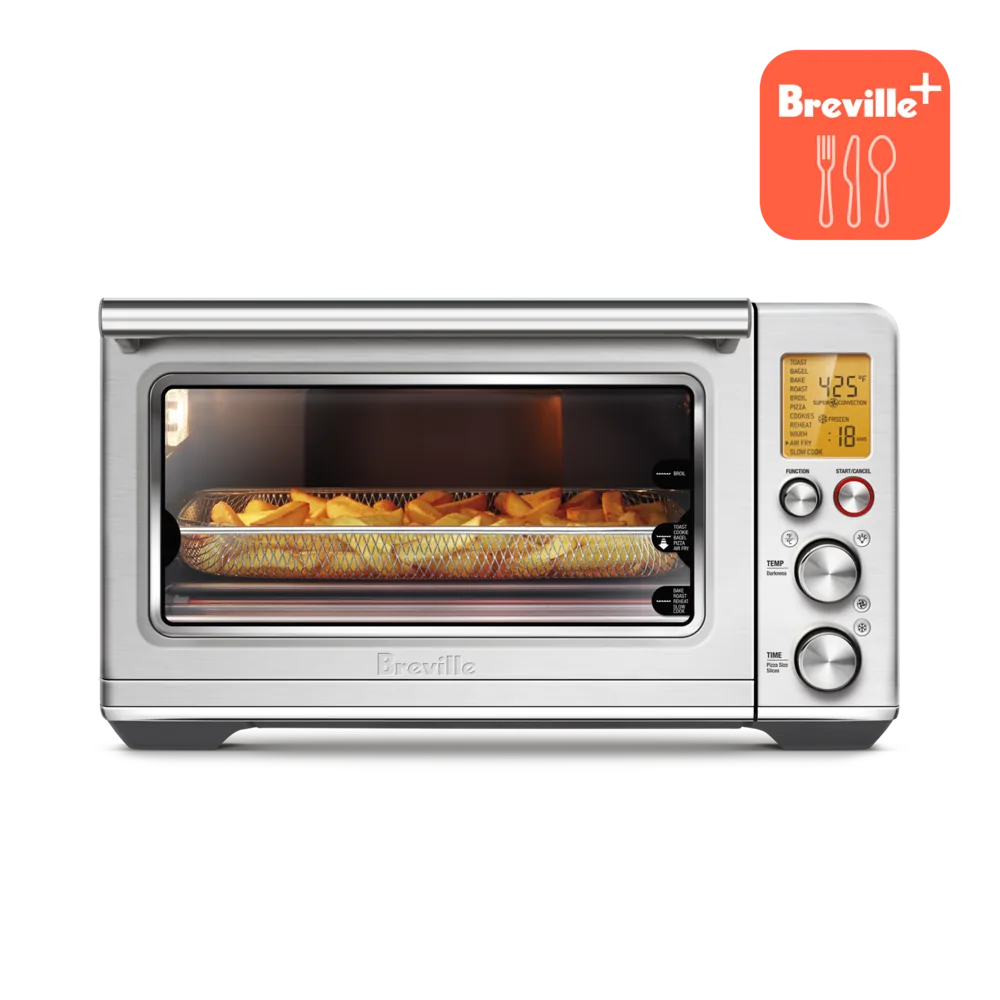
Look for food quantity, cut size, raw or precooked state, refrigerated or frozen start, preparation and loading arrangement. Check whether the chart distinguishes single-zone and simultaneous-zone use, or particular accessories. A short row may rely on explanations elsewhere in the document. Read those notes before applying the entry. If an important condition is absent, seek a complete recipe or package instruction rather than inventing it.
Imagine a row listing potatoes while you have a thick whole potato and a bag of small prepared pieces. Those are different preparations even though the ingredient name matches. The chart does not explain the substitution by itself. Identify the actual supported food form first. This comparison shows why a broad label is insufficient; it does not claim a specific time difference or create a new method for either food.
Separate starting settings from the food endpoint
A timer is an instruction to run a programme for a period, not a measurement inside every piece. Use the appropriate recipe doneness checks and official food-safety requirements. For food needing an internal measurement, have the equipment and measurement plan ready. A chart entry should never override those checks. If the surface looks ready before the interior meets its endpoint, describe the mismatch and reconsider the supported preparation.
Do not repair a vague chart by applying a universal oven conversion formula. That adds another unverified assumption rather than clarifying the original one. Likewise, a preset bearing the food's name may have default settings without identifying your portion size. Read how the manufacturer expects the preset to be adjusted or used. The meaningful starting point is a documented preparation, with the food's actual endpoint kept independent of the button label.
Make a more useful household reference
Build your own concise record from a supported method, naming the exact food product or recipe, appliance, programme, amount and arrangement. Include preheat assumptions, accessories and checks. A photo of the cold load can sometimes explain more than another sentence of vague capacity notes. Keep observations attached to that setup and reassess changes in ingredient brand, thickness or quantity before repeating the same settings.
Avoid sharing those notes as a tested universal chart. They are records of your kitchen and require the same appropriate endpoint checks on later meals. If a chart lacks enough detail for the intended food, the strongest next step is finding a complete matching instruction or using a better-supported method. A compact table can save reading time, but it cannot replace the context, safe handling and assessment needed to know what its numbers actually describe.
Behind this guide
Sources & editorial method
This guide combines original editorial decision support with the linked documentation. It is not a hands-on product test. Check the exact regional model and its manual before purchasing or using an appliance.
How we research and publish our guides