On this page
Start here
Choose a fresh-potato method instead of a frozen-fries timer
Fresh potato wedges need a preparation method suited to fresh potatoes, not a timer copied from a frozen-fries packet. Choose a manufacturer recipe or other clearly specified recipe that matches your appliance format, then keep its cut and preparation sequence consistent. Wedges is a shape category, not one guaranteed cooking schedule.
The practical priorities are the size of the pieces, the coating routine, the supported basket arrangement, and the texture you inspect at the end. A reliable cooking note preserves those details so the next batch starts from the same assumptions.
Use a recipe with a defined cut
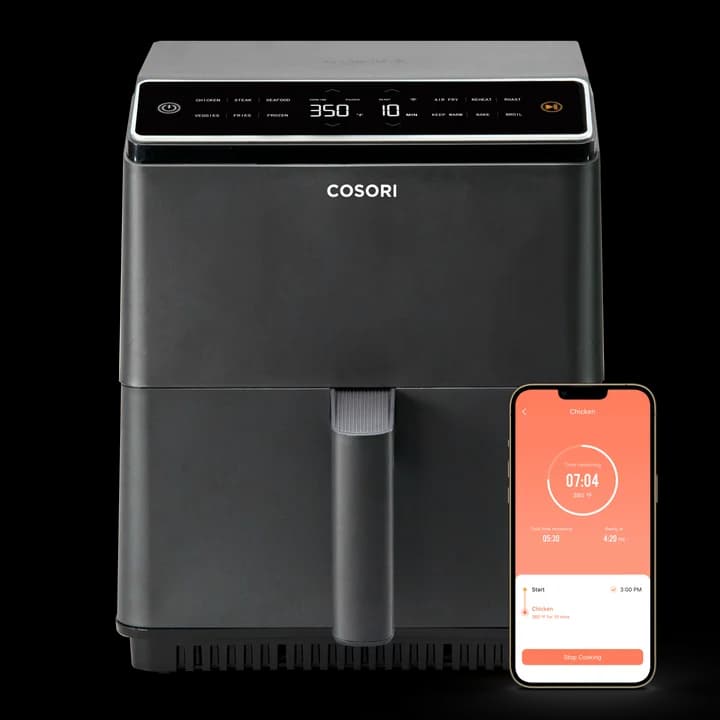
COSORI's Parmesan-wedge recipe specifies a particular potato preparation and coating sequence before using the cooking plate. It demonstrates that the method includes more than choosing a Fries function. We are not reproducing its full recipe or treating its schedule as universal.
When following a recipe, check the potato size and intended cut. Eight wedges from a small potato and eight wedges from a large one need not have the same thickness. Record the actual shape so you can compare one attempt with another.
Keep preparation choices visible
Recipes may differ about peeling, rinsing, soaking, drying, coating, and seasoning. Choose one documented method rather than combining unrelated steps and assuming they all serve the same purpose. If a method includes drying, complete that step as instructed before moving on.
Make a short preparation checklist alongside the cooking note. Otherwise, it is easy to attribute a changed result to the appliance when the potatoes were cut or prepared differently. Consistency helps you learn without relying on a false claim of a perfect universal wedge recipe.
Check whether the planned portion fits
Lay out the intended amount according to the appliance and recipe loading guidance. If the quantity exceeds that layout, plan batches before dinner begins. A bigger total basket volume does not prove that the same number of wedges can use the cooking surface effectively.
Keep larger and smaller pieces identifiable when assessing a mixed cut. If the recipe calls for similar-sized pieces, correct the preparation rather than expecting a preset to compensate for the difference. This is especially relevant when several people help cut the potatoes.
Assess the center as well as the exterior
For a texture check, look at a representative larger wedge as well as the visible surface. A darker exterior does not automatically tell you whether the center has the texture you wanted. Follow the recipe's completion guidance and use the appliance's permitted handling method.
If you adjust the routine on a later attempt, record the change. Do not alter the cut, amount, coating, and program together and then conclude one change improved it. A focused observation is more useful than an invented success rate.
Example: choose one wedge shape
Imagine you are preparing potatoes for two plates and have selected a recipe for wedges. Before cutting the whole quantity, cut one potato in the intended shape and compare the pieces. Decide whether that is the shape you can reproduce comfortably. Put unusually small pieces aside for a separate preparation instead of trying to treat them as equivalent to the largest wedges. Note the recipe, cut, and quantity on your next attempt. This makes a disappointing texture easier to investigate without blaming a basket size or brand before you have considered the food preparation.
Build a repeatable wedge record
Save the recipe link, potato amount, preparation choices, cut description, appliance, arrangement, and observed texture. That record gives you a practical reference for your own equipment while keeping the manufacturer's recipe attached to its original context.
- Use a fresh-potato recipe with clear preparation.
- Describe actual piece thickness rather than only wedge count.
- Keep soaking or drying decisions consistent with the method.
- Check the supported layout before increasing the portion.
- Inspect a representative larger piece at completion.
- Record one changed variable when refining the next batch.
Behind this guide
Sources & editorial method
This guide combines original editorial decision support with the linked documentation. It is not a hands-on product test. Check the exact regional model and its manual before purchasing or using an appliance.
How we research and publish our guides