On this page
Start here
Count the supported loads before planning the meal
For chicken wings, start with a recipe that matches the preparation state and your appliance format, then determine how many supported loads the planned quantity requires. A party-size bowl of wings does not imply one basket can cook it as intended. Batch planning belongs before the timer.
Keep the exact cut and quantity visible. Whole wings and separated sections are not identical shapes, and a frozen prepared product has different directions from fresh raw wings. Organize each preparation according to the directions for that exact food and appliance.
Keep the sauce sequence attached to the recipe
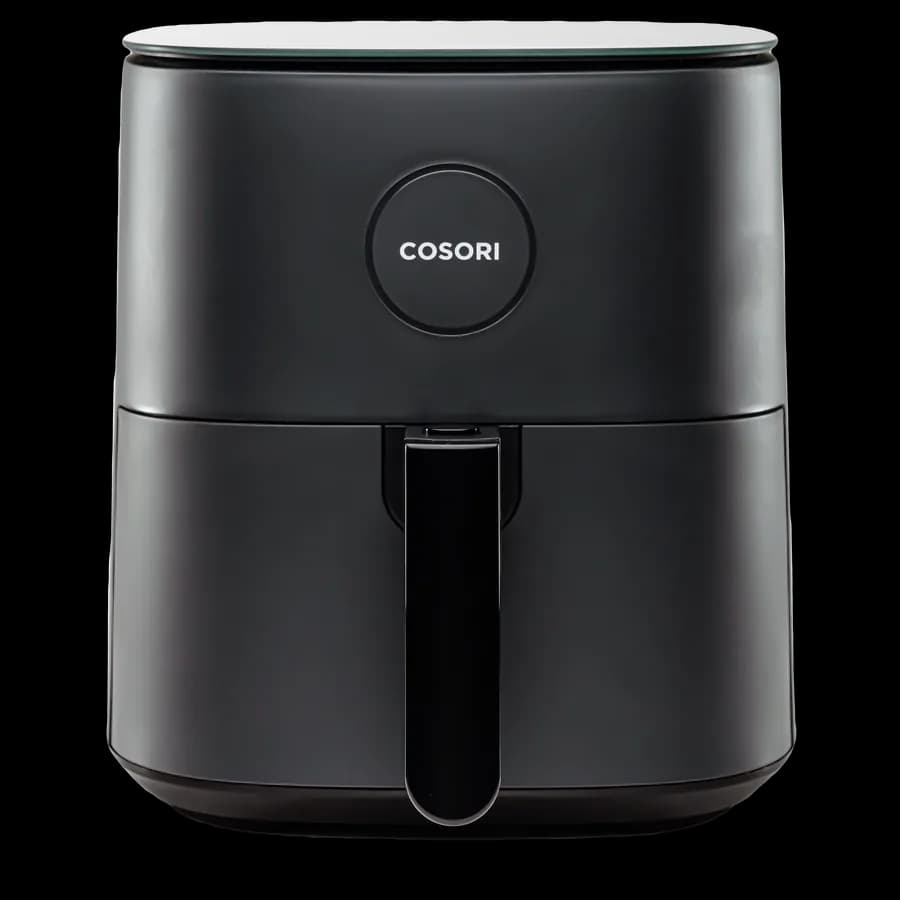
COSORI's Buffalo-wing recipe treats the wing preparation and finishing sauce as separate parts of its sequence. That is a documented example, not a rule that every wing sauce is added at the same stage. Follow the chosen recipe's order and the product instructions where relevant.
If you use a bottled sauce, prepared frozen wings, or a different coating, identify that change. Do not assume a result demonstrated for one coating transfers unchanged. Record the recipe and final serving step so later comparisons start with the same method.
Use the actual wings to check space
Assess the portion against the documented loading arrangement rather than counting only total weight. Wings have irregular shapes, so one quantity can occupy the surface differently depending on the pieces. Use the model's plate and configuration as instructed.
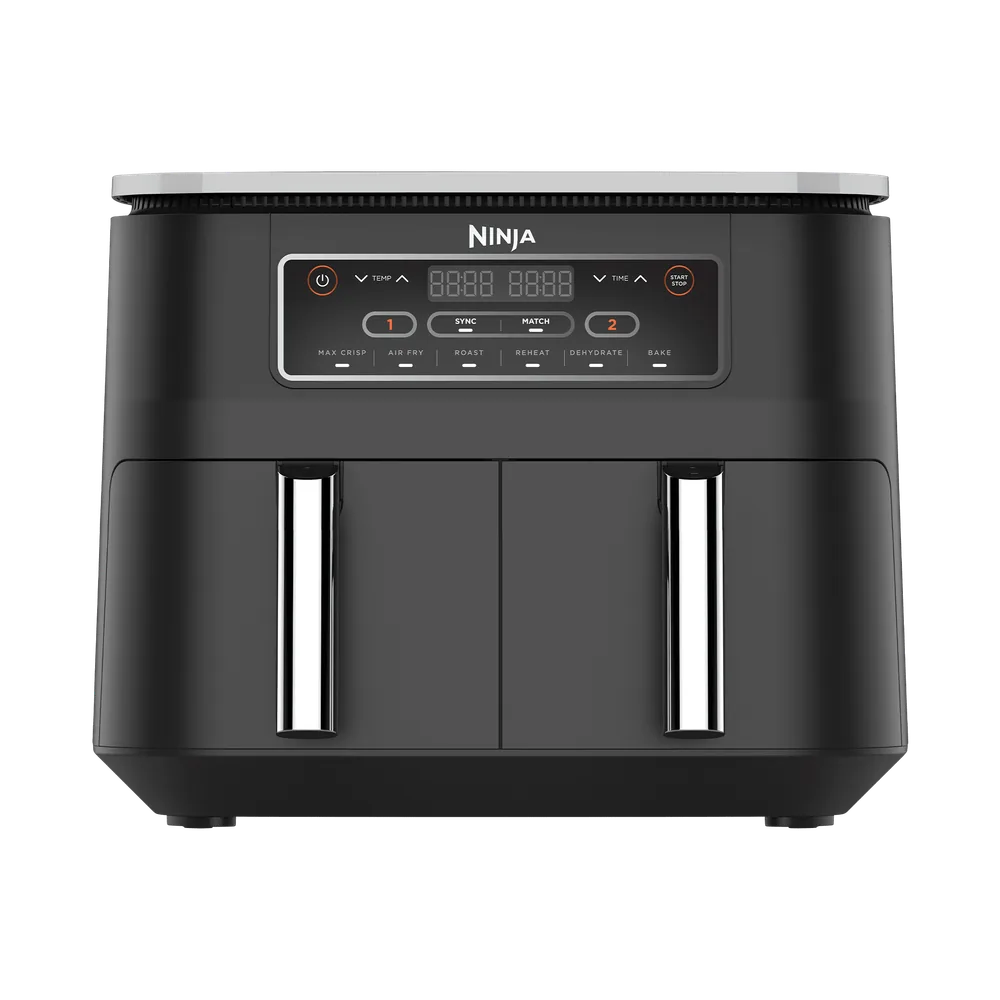
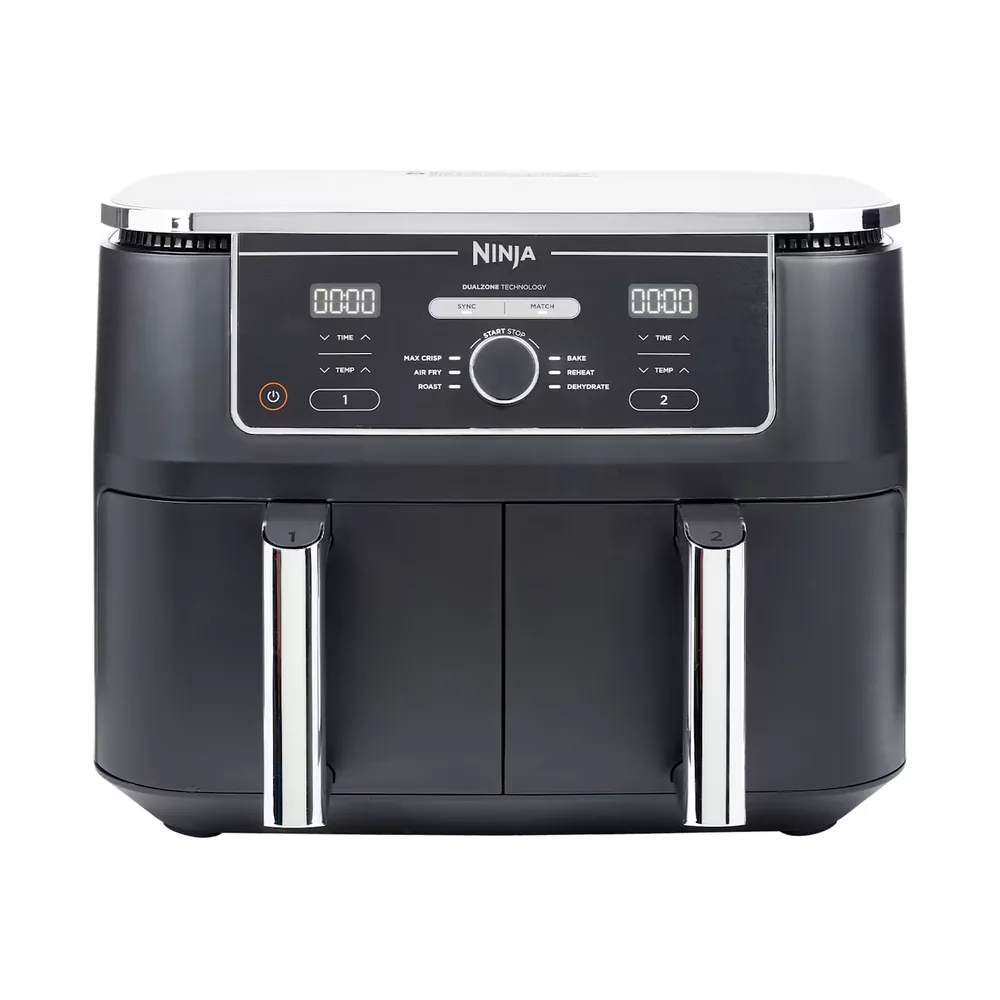
If the planned amount needs two loads, include the second in the serving plan. If you use two drawers, check each individual load and its settings. The combined volume label does not replace an assessment of how the pieces fit each zone.
Do not use exterior colour as the final check
US FoodSafety.gov gives a poultry minimum of 165°F / 74°C, including wings. Use a suitable food thermometer and appropriate official guidance for your location. A browned coating or a finished timer cannot establish the internal condition of every piece.
Follow the thermometer instructions for the measurement and avoid assuming that one convenient small wing represents every different-sized piece. Use the placement guidance for your actual thermometer and food. Keep checks practical and grounded in the tool's guidance.
Coordinate serving without guessing holding rules
Write down which load will be ready first and how the rest of dinner is prepared. Use appropriate official guidance for food holding and leftovers rather than inventing a safe waiting period from a recipe comment. If the serving order is awkward, use a suitable alternative cooking plan.
A larger appliance may reduce batch count only if its usable arrangement handles the quantity. A second drawer may help when both loads fit and its instructions support the intended operation. Judge the plan by the complete sequence, not the largest capacity on the product card.
Example: work backwards from serving
For a meal with several plates of wings, decide how you want to serve before loading the first basket. Write the planned batches and the recipe stages for each, including any finishing sauce. Assign a clean serving dish to the finished food and keep the preparation tasks organized separately. If the recipe quantity exceeds the supported load, account for those separate stages in your schedule. A smaller complete plan is easier to manage than a single overloaded batch followed by unplanned extra cooking. Record the quantity that worked for your gathering for the next occasion.
A useful wings cooking record
Record food state, cut, quantity per load, model, layout, recipe, handling, checks, and sauce sequence. That gives you something more useful than a universal wings timer and makes the next meal easier to organize.
- Match fresh, frozen, or prepared wings to their method.
- Identify whole wings or separated sections.
- Check the supported quantity per drawer.
- Keep sauce timing tied to the chosen recipe.
- Use appropriate internal-temperature checks.
- Plan serving and holding through official guidance, not guessed durations.
Behind this guide
Sources & editorial method
This guide combines original editorial decision support with the linked documentation. It is not a hands-on product test. Check the exact regional model and its manual before purchasing or using an appliance.
- COSORI Buffalo chicken wings recipe ↗Checked
- FoodSafety.gov safe minimum internal-temperature chart ↗Checked