On this page
Start here
Matching settings does not match the food
When a recipe quantity exceeds one basket, splitting it can be useful, but make the split visible. Compare the number, size and starting condition of the pieces. Two baskets containing the same named food can still hold very different loads. One may contain small pieces while the other holds the thick remainder. Identical programmes describe the controls, not the actual similarity of the contents.
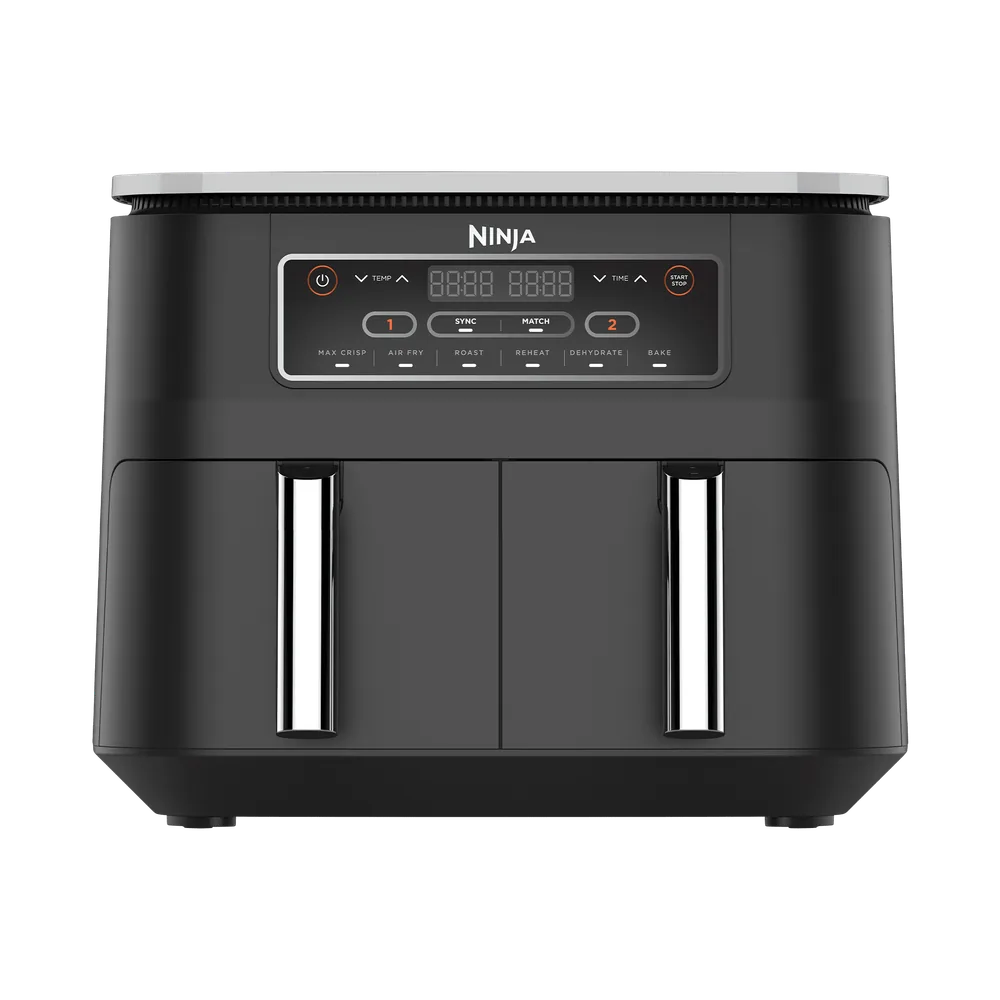
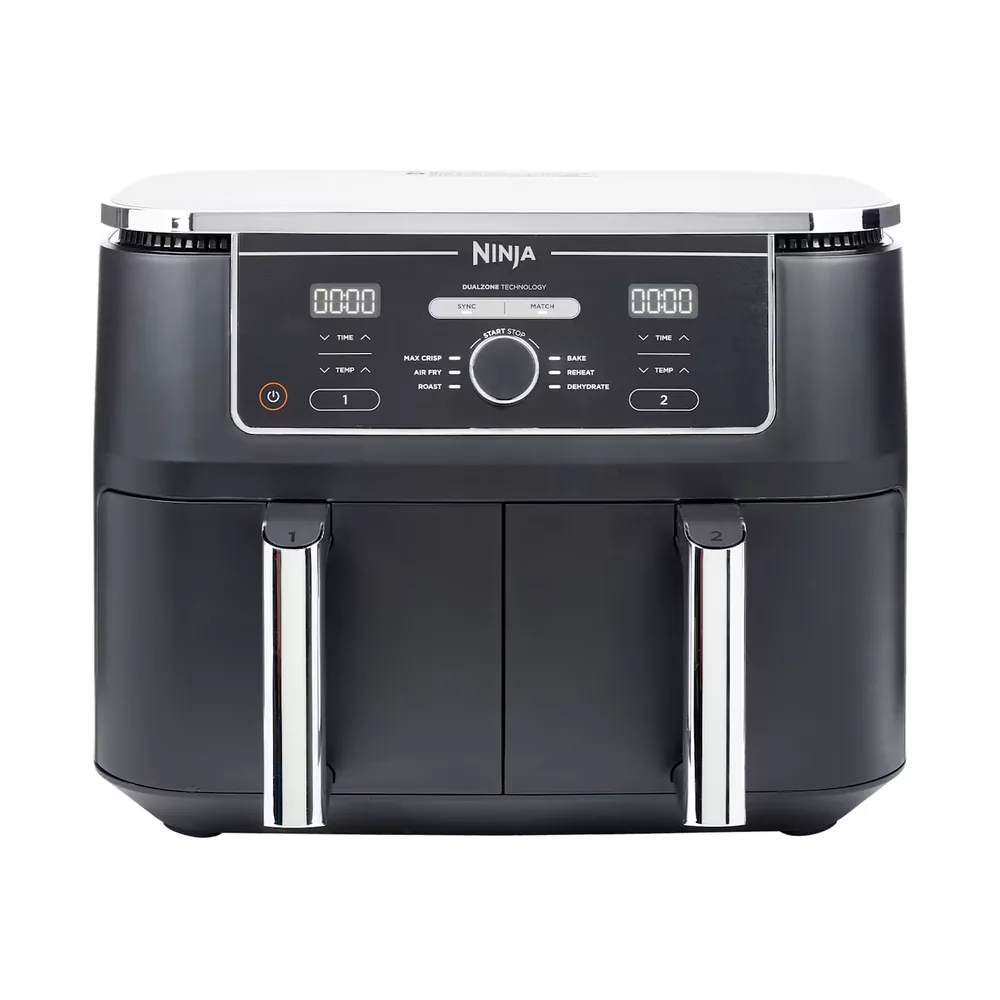
The Australian Ninja AF400 page describes Match Cook as copying settings between zones. Use the corresponding feature on your exact model only as its instructions permit. If one basket needs a different arrangement or method, copying is less useful than setting each zone deliberately. The feature saves button presses; it does not weigh the portions, redistribute the food or verify that both have reached the required endpoint.
Split by useful characteristics
For a uniform frozen product, portioning by weight can be a helpful start, followed by checking how the pieces lie in each basket. For mixed-size meat or vegetables, sort the pieces by the characteristics relevant to the chosen method before dividing them. Avoid putting every unusually large piece in the second basket simply because it was filled last. That creates a difference you may later misinterpret as uneven appliance performance.
Imagine sharing a bag of potato pieces between two zones. Instead of emptying half by eye and tipping the remainder into a crowded second basket, weigh or otherwise portion the load, then look at the actual spread. If one side has more broken small pieces, make a note. This example illustrates a clearer comparison; it does not promise a time or establish a safe loading quantity for every machine.
Make checks symmetrical
Plan to inspect both baskets using the food's supported method and safety requirements. If shaking or turning is part of that method, organise the action for each zone instead of automatically treating the first one as representative. Use suitable tools and observe the manufacturer's handling precautions. Keep any liquids or debris from one basket out of the other unless the recipe explicitly calls for combining prepared components.
Do not diagnose a weaker heater from one uneven meal. First ask whether the two loads were genuinely comparable, whether the same accessory was installed and whether the programme choices were correct. A change in portion thickness, starting temperature or packing may explain why the observation is not a controlled comparison. If a problem persists with properly followed instructions, collect the details for manufacturer support rather than conducting improvised electrical tests.
Record the whole two-basket method
Your note should include total quantity, quantity per zone, arrangement, accessories and endpoint checks. Record whether the manufacturer guidance covered simultaneous use. A familiar single-zone setting can be a useful reference, but it is not proof of the correct dual-zone duration. If the instructions provide separate guidance, keep that distinction in the note. It will matter more than the convenience of a single remembered number.
For a repeat meal, start with the same split and reassess any changed product or portion size. If you regularly want two intentionally different results, such as softer vegetables for one person and firmer vegetables for another, separate settings may serve you better than a copied programme. The practical aim is two well-managed portions. Matching every button is valuable only when it fits the food and the way you plan to serve it.
Behind this guide
Sources & editorial method
This guide combines original editorial decision support with the linked documentation. It is not a hands-on product test. Check the exact regional model and its manual before purchasing or using an appliance.
How we research and publish our guides