On this page
Start here
An appliance can fit a shelf and fail the cooking-space check
Check operating fit separately from storage fit. A cupboard or shelf may hold the closed appliance while failing its manufacturer requirements for use. The counter must accommodate the body, the opening mechanism, the instructed ventilation space, and access for handling food. Do not collapse those checks into one width measurement.
Start with the exact regional manual. Its guidance takes priority over a generic clearance number on a buying blog. If the operating location does not satisfy those instructions, choose another location or another appliance rather than trying to make the measurements work on paper.
Read the installation section before buying
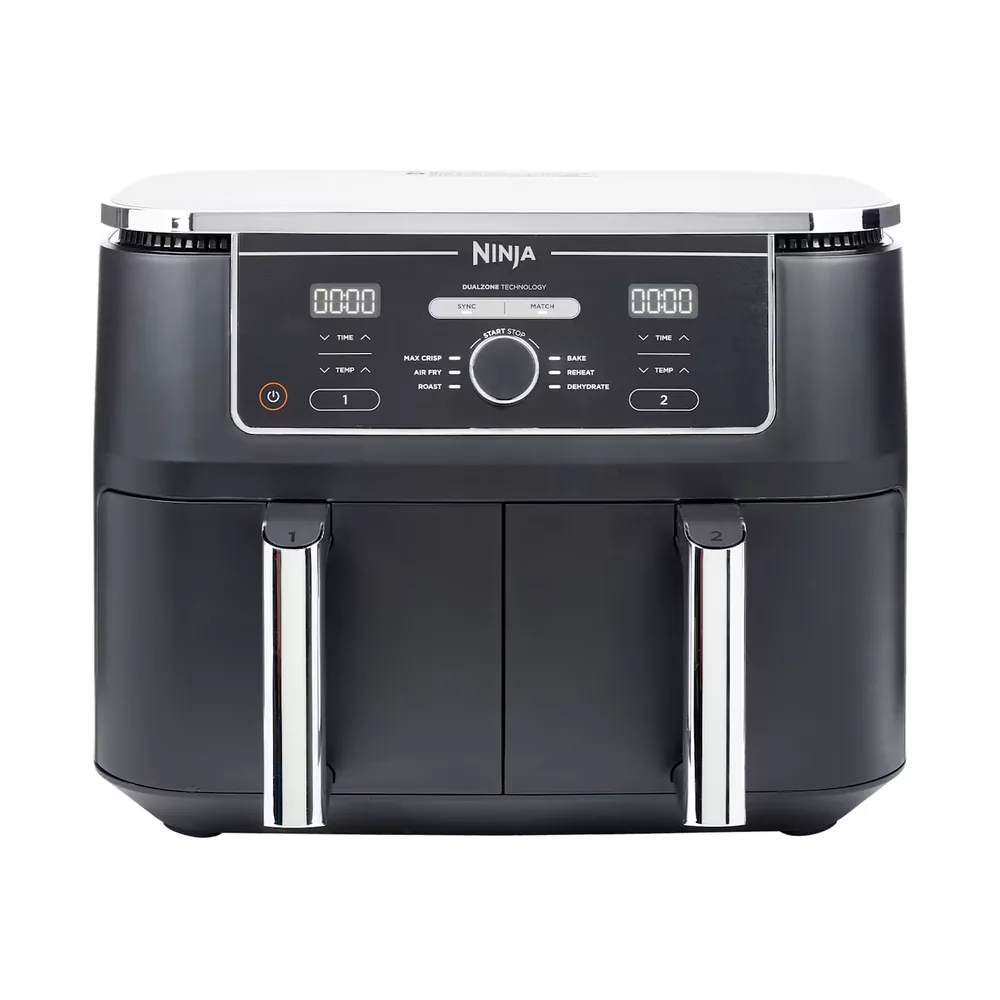
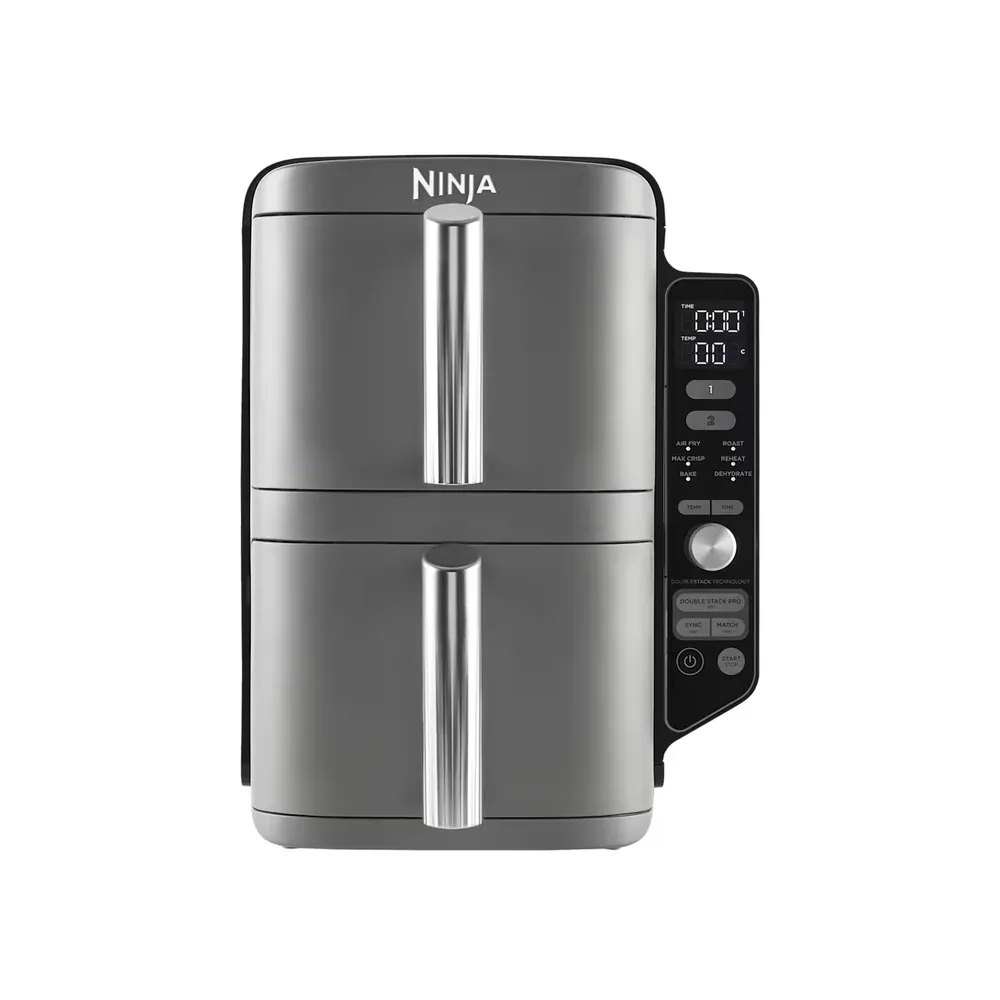
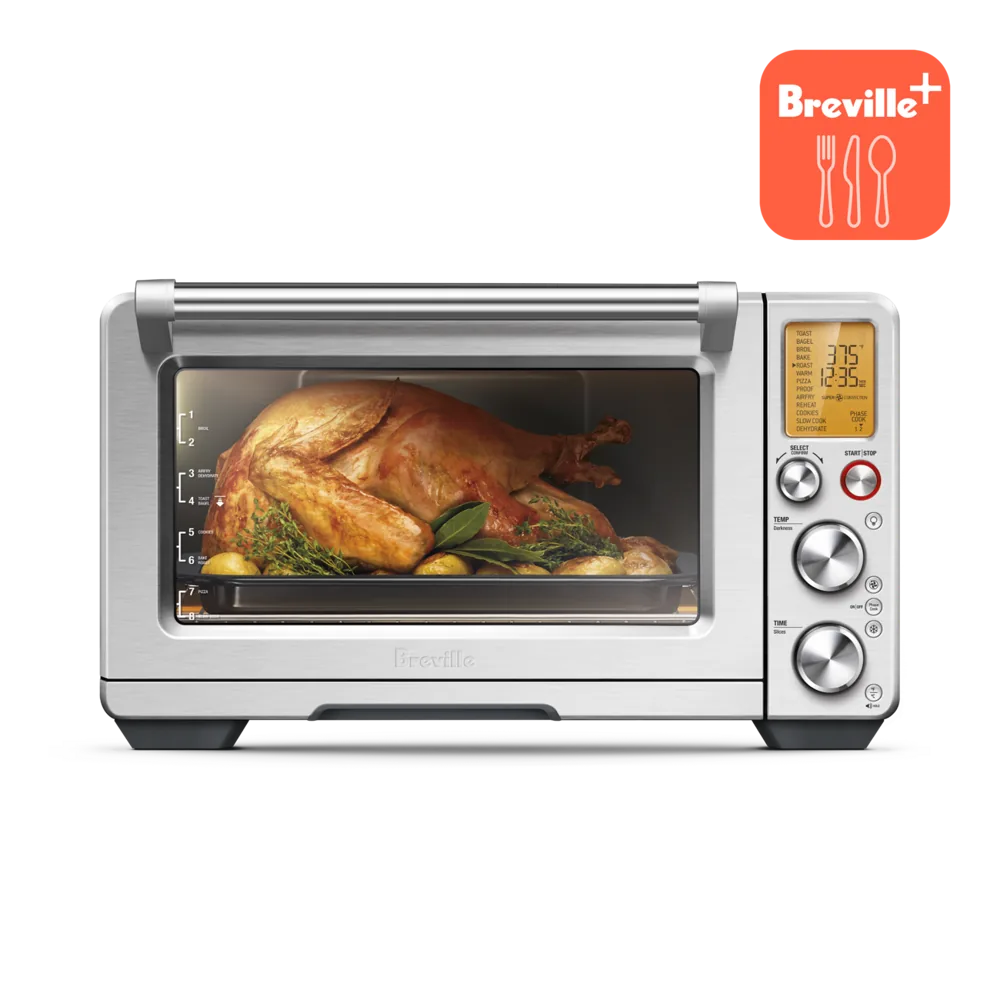
Ninja Ireland's SL400UK support page supplies both exterior dimensions and a model-specific air-circulation requirement. Breville's BOV900 instruction booklet has its own installation and use guidance. These are useful examples of why clearance must be attached to a specific model.
Do not assume the same space applies to a basket, an oven-style model, and a multicooker. Check the manual supplied for the reference you intend to order. Save the relevant page with your shortlist so the clearance decision is based on documentation rather than memory.
Measure the appliance in motion
Add the path of a drawer, door, or lid to the closed body outline. Include the position you occupy while loading and removing food. Check that the controls can be seen and that a removable part has a suitable landing place according to its instructions.
A kitchen corner can look generous until a handle reaches the counter edge. An appliance beneath a cupboard can seem low enough until a lid is opened. Use a paper plan or an unpowered cardboard outline to check these movements, keeping planning materials away during actual operation.
Treat storage as a routine, not an empty shelf
Measure the cupboard opening as well as the shelf interior. Consider the height you must lift the appliance, how often you will move it, and where the cable goes. If the route is awkward, a smaller model left on the counter may be more useful than a larger one stored out of reach.
Check the manual's guidance for moving and putting away the appliance. Include cooling and storage requirements in your comparison. Follow the model instructions and include the necessary wait and handling steps in the routine you are comparing.
Give removable parts their own space budget
The drawer, tray, pot, rack, or divider needs cleaning and drying space outside the appliance. Measure your sink and drying area. A broad drawer may fit its body perfectly while being difficult to wash in a compact sink.
If you expect to use a dishwasher, verify the permitted parts and their physical fit. Do not infer dishwasher compatibility from a material label or a photograph. The manual may distinguish the basket, plate, main body, and accessory components.
A storage-first false economy
Imagine a large model fits a deep cupboard but must be lifted from a low shelf and carried across the kitchen for every use. A smaller model left in an appropriate operating position may create a much easier routine. Compare the retrieval, placement, use, instructed putting-away procedure, and cleaning steps. Do not score storage solely on whether the door closes. The practical question is whether the intended cook can repeat the entire routine comfortably and according to the instructions. A theoretical storage solution has little value if it prevents ordinary use.
A final fit record
Keep a simple record with body dimensions, instructed clearances, opening space, storage route, and cleaning locations. Reject models with an unresolved operating-fit problem before comparing optional features. The right fit should leave the kitchen usable while cooking and should not rely on repeatedly ignoring the installation guidance.
- Verify the exact regional reference and manual.
- Measure full body dimensions, including handles.
- Add instructed ventilation space and opening paths.
- Check access to controls and removable parts.
- Measure cupboard opening, shelf, and lifting route.
- Plan sink, drying, and accessory-storage space separately.
Behind this guide
Sources & editorial method
This guide combines original editorial decision support with the linked documentation. It is not a hands-on product test. Check the exact regional model and its manual before purchasing or using an appliance.
How we research and publish our guides