On this page
Start here
Record the exact message and timing
Copy the message, allow safe handling, then check the cold removable assembly against the model diagram. If it resists normal seating or still reports an error, stop before forcing it. If the appliance reports a missing or open drawer, write down the message exactly and note when it appears. It may occur before programme start, after a permitted inspection or after reassembly following cleaning. Those contexts are useful to manufacturer support. Do not assume that every open-drawer-looking icon means the same thing across brands, and do not interpret another model's online fix as instructions for your detector.
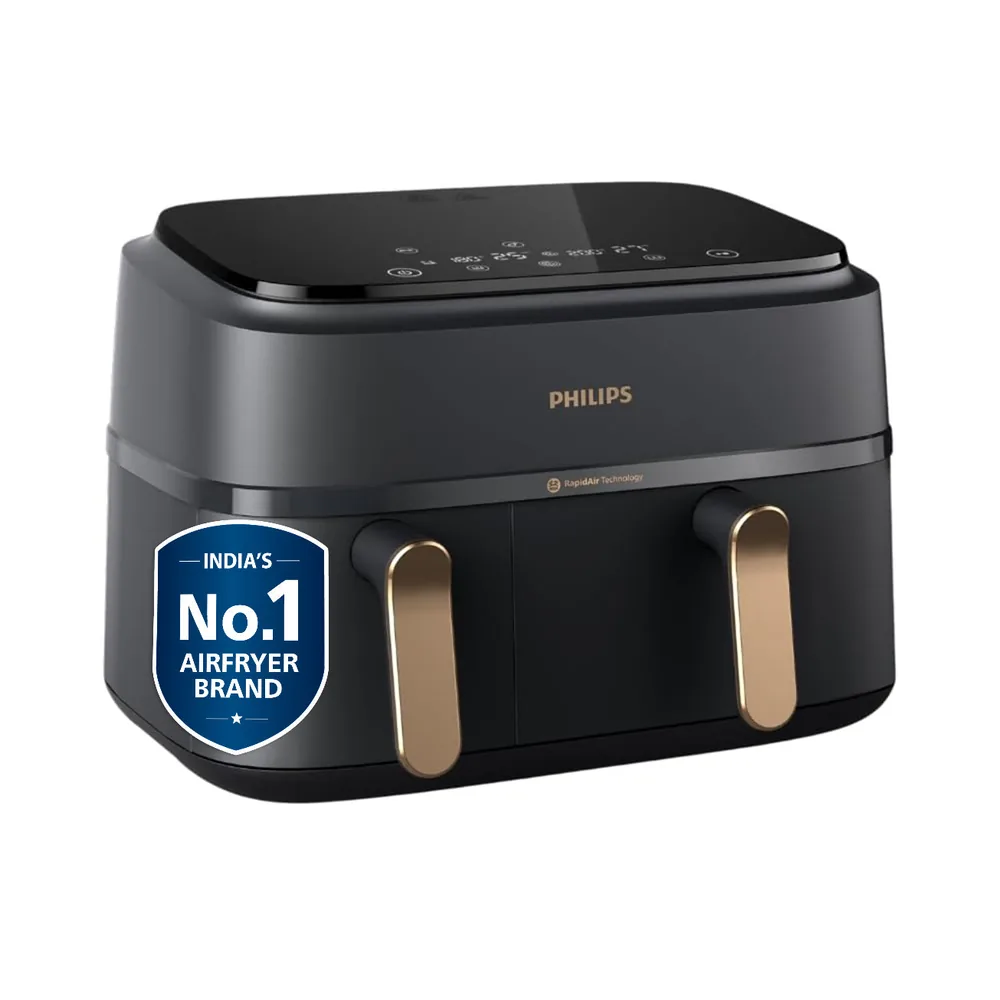
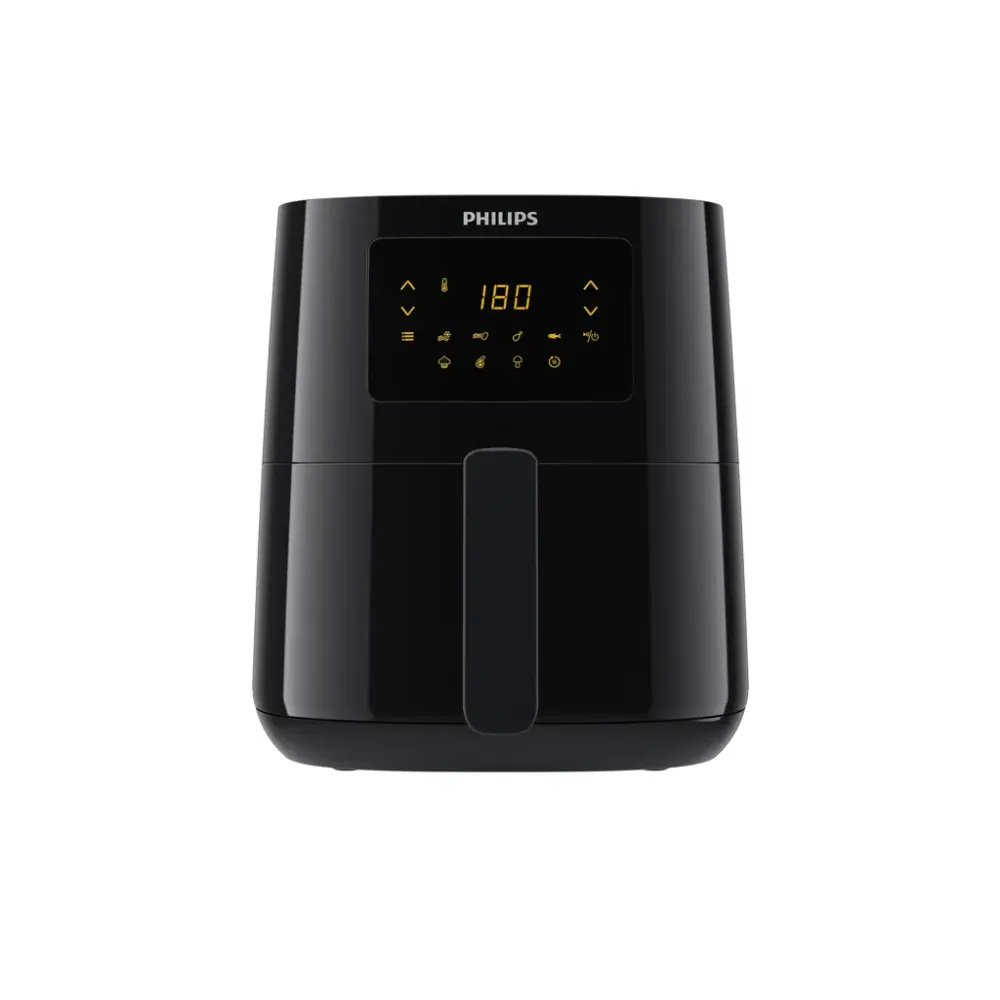
Philips' startup guidance includes drawer-placement checks for applicable models. Read the matching instructions for your unit's permitted seating and assembly. A documented placement check is different from forcing the drawer until a message disappears. If the component does not fit normally or shows damage, the unresolved mechanical condition matters even if the display can occasionally be made to change.
Inspect assembly only within owner instructions
When the appliance is safe to handle under its manual, check the removable components and their intended orientation. Identify whether an insert, basket or approved accessory has been placed as specified. Look for safely visible obstructions through the permitted care procedure. Do not poke into the detector mechanism, remove fixed panels or trim an accessory to create clearance. An owner assembly check should remain a check of the documented parts.
For an example, a drawer begins resisting after its insert was washed. Comparing the cold arrangement with the manual illustration can reveal an assembly question worth resolving. It does not prove the detector is broken. Conversely, a cracked guide or handle cannot be dismissed because the insert appears correctly positioned. Keep fit, assembly and display observations distinct so the next step addresses the actual condition.
Avoid proving operation by defeating the condition
Do not tape, wedge or press a detector to make the machine cook while its normal drawer condition is unresolved. A display changing under pressure does not establish safe assembly. The appropriate response is the manufacturer's documented check or service advice, not an improvised operating workaround. Likewise, do not hold the drawer in place throughout a meal or repeatedly slam it shut to find a position the unit accepts.
Keep any replacement part's exact identity available. A visually similar basket from another model may have a different fit or detection arrangement. If the problem began after replacement, report that fact and confirm compatibility through the manufacturer. Physical entry into the chamber is only one observation; it does not validate the replacement or explain how the appliance expects the complete drawer to be seated.
Make support evidence mechanical and specific
Photograph safely visible cold parts, including the installed arrangement and any obvious damage. State whether the drawer closes normally, whether resistance is new and what exact message remains. Include the component reference and the manual steps already checked. Avoid diagnosing a switch, magnet or circuit from an online discussion. A clear description of fit gives support a stronger starting point than a guessed internal component name.
Leave the appliance unavailable while a seating or detection question remains. Tell other users that the normal assembly is not confirmed so they do not attempt a force-based fix. When manufacturer advice resolves the issue, retain it with the part identity and event date. A sound outcome is a drawer that fits and operates according to its instructions, not merely a display that can be persuaded to stop showing a warning.
Behind this guide
Sources & editorial method
This guide combines original editorial decision support with the linked documentation. It is not a hands-on product test. Check the exact regional model and its manual before purchasing or using an appliance.
How we research and publish our guides