On this page
Start here
Find the ventilation areas in the manual
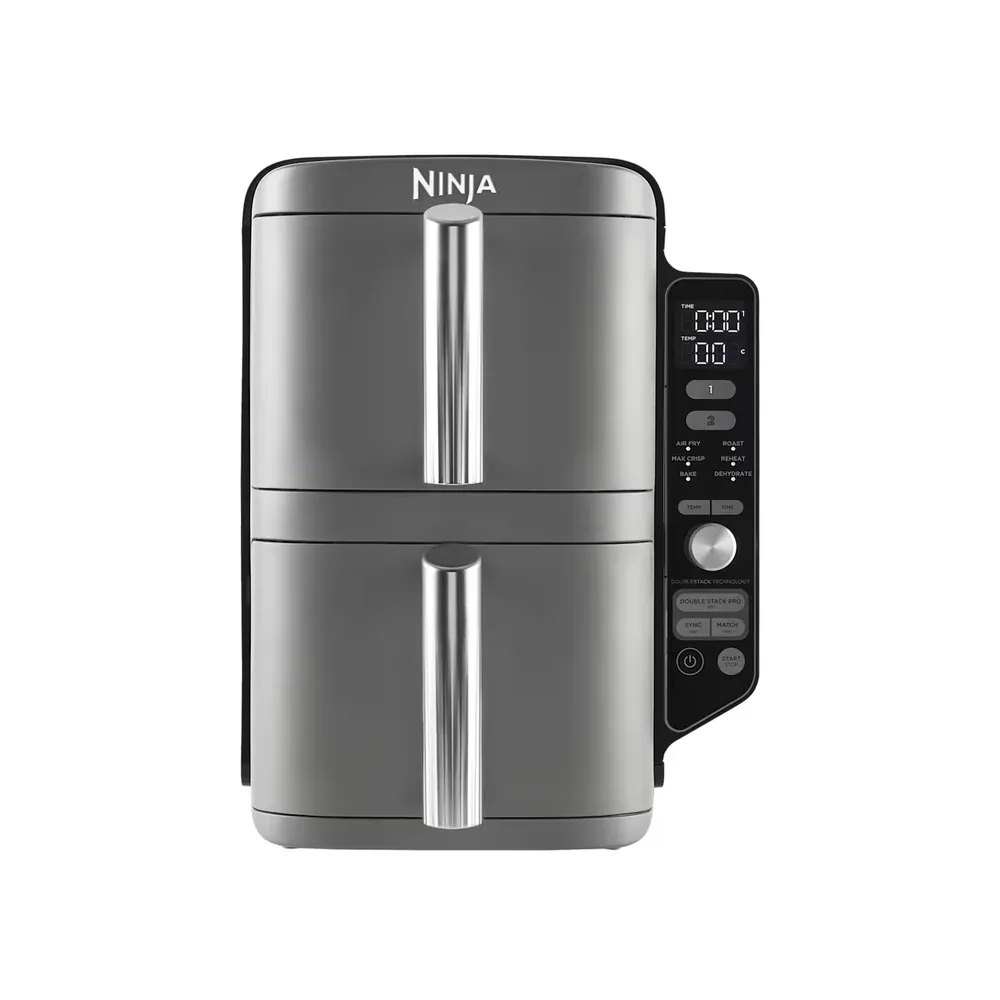
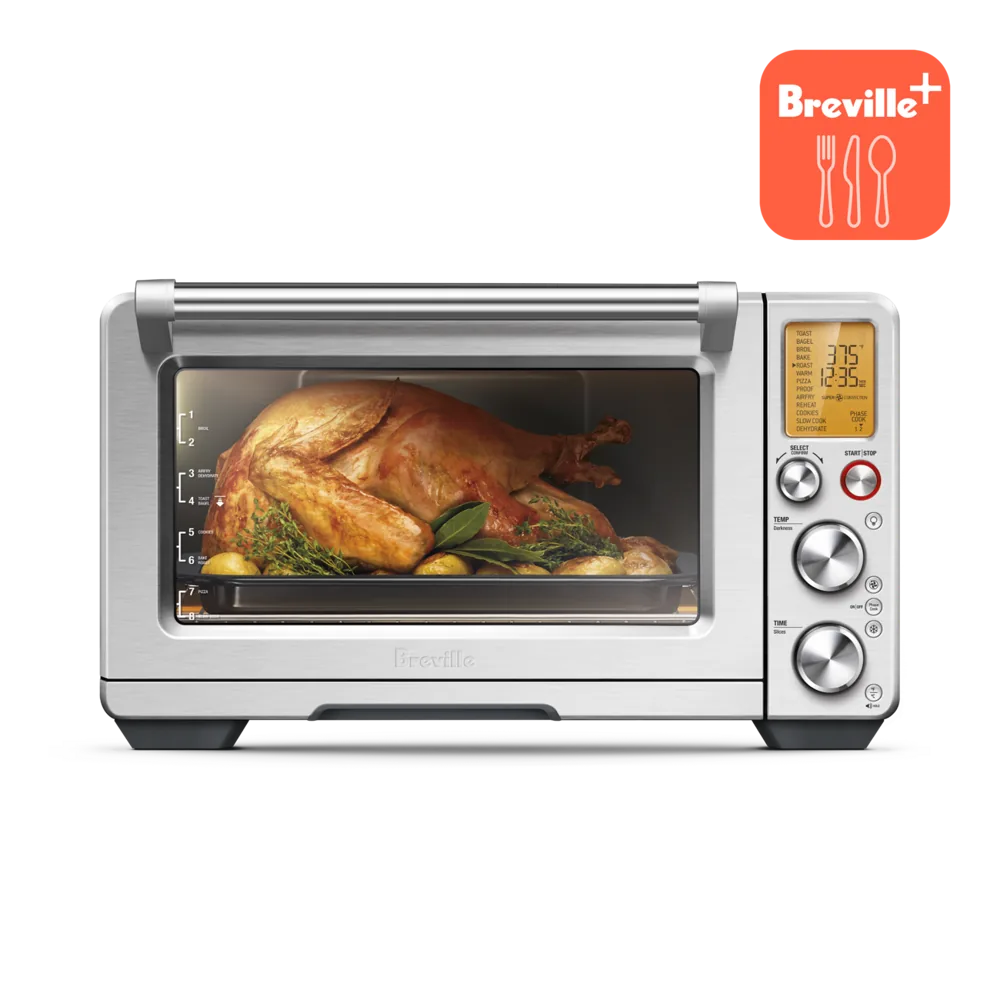
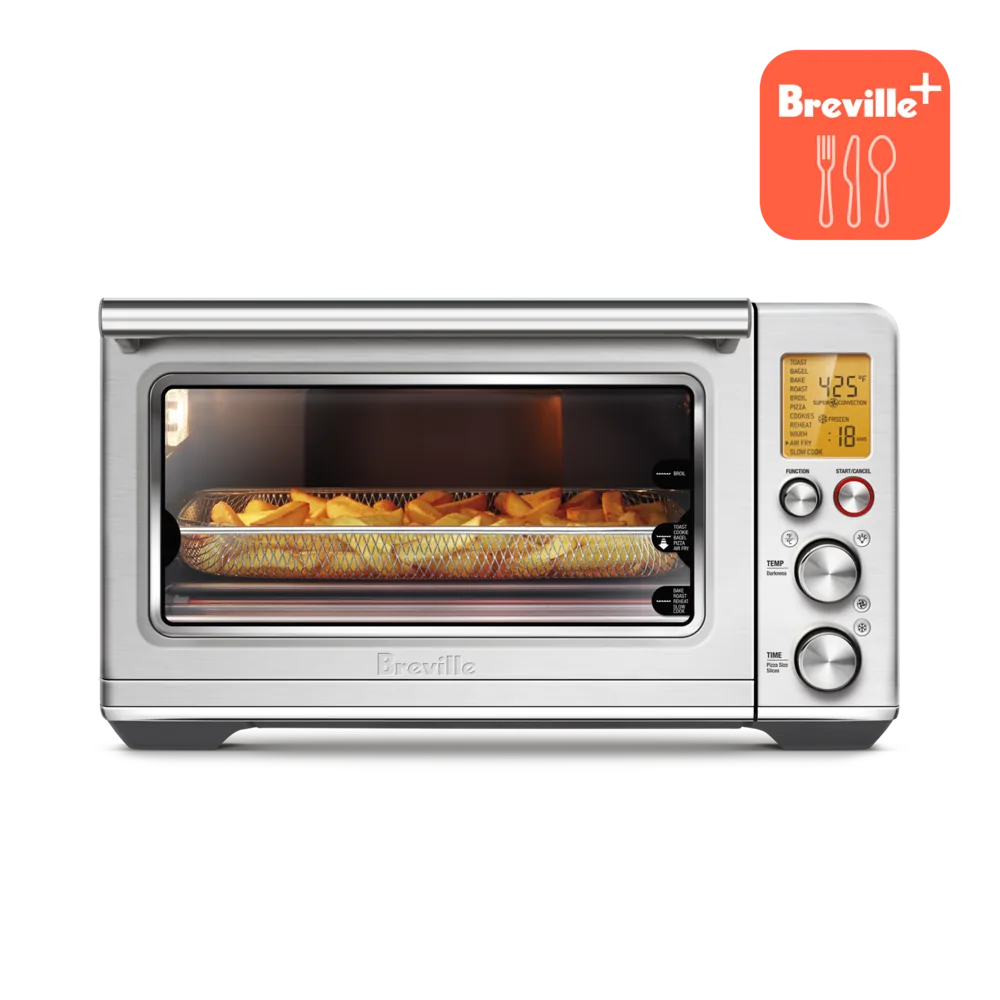
Clear objects from the documented operating space, then use only the permitted exterior vent-care method. Treat debris behind a fixed grille as a support question rather than reaching inward. Locate the intake and outlet areas described for your exact appliance before choosing a position or cleaning method. Do not assume every grille has the same purpose, or that a basket model's arrangement matches a countertop oven. Read the supported operating-clearance instructions as well as care guidance. A closed footprint on a retailer page describes the object, not the space needed around it during use.
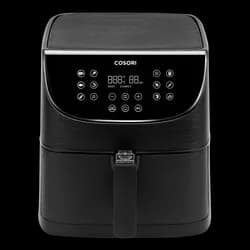
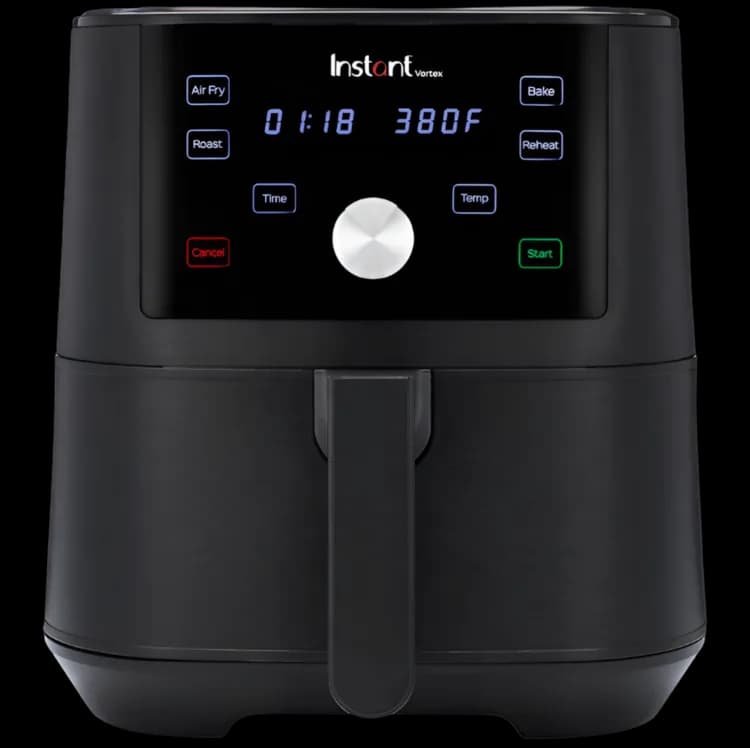
COSORI's maintenance page describes external vent dust care, while the Instant Vortex EU manual prohibits blocking air vents. Keep these as scoped manufacturer examples. They do not justify reaching through a grille or applying a pressure spray to the housing. Use the exact model's permitted exterior method and leave internal access to the appropriate service route.
Distinguish clutter from inaccessible debris
Nearby towels, packaging and stored accessories are a layout question. Debris behind a fixed grille is an access question. Treat them separately. You can organise the counter to meet documented placement requirements without dismantling the appliance. If material is visible beyond the permitted care area, ask support rather than selecting a longer tool. A grille opening is not an invitation to inspect the fan or electrical assembly.
Imagine an appliance sits beneath a shelf used for tea towels and mail. The kitchen looks tidy when the drawer is closed, but items can move into the operating space. Review the layout against the manual and find a separate home for that clutter. This example improves a practical routine; it does not prove that any previous performance issue was caused by ventilation or promise that relocation fixes a fault.
Make the care step observable
When the appliance can be prepared safely according to its manual, use the permitted exterior cleaning method and inspect the result. Keep cleaning liquid, loose fibres and tools within the manufacturer's restrictions. Do not remove a cover merely because dust remains beyond reach. Record an unresolved access question with the model reference and a safely taken cold photograph. That gives support a clear issue without extending ordinary care into repair.
Avoid interpreting a noisy fan or an unexpected shutdown as a signal simply to brush more vigorously. Those symptoms deserve their own troubleshooting path. Cleaning can address accessible dust while a fault remains unresolved. Likewise, opening up more counter space is sensible when the instructions require it, but it does not certify the appliance's condition. Maintain a clear distinction between completing care and explaining abnormal operation.
Check the location before each cooking session
A shared counter can change between meals. Make a brief location check part of the household operating routine: the unit is placed as instructed, required space is available and no object has become accidental storage against or on it. Keep the check grounded in the exact manual instead of a universal distance copied from another brand. Include drawer or lid movement so handling remains practical too.
If the appliance is moved or replaced, reassess the location rather than assuming the previous arrangement transfers. Keep its placement and vent-care notes with the model record. The useful result is a repeatable supported setup and a bounded exterior-care procedure. It avoids the two common confusions: mistaking a neat closed footprint for operating space, and mistaking visible grille openings for owner access to the components behind them.
Behind this guide
Sources & editorial method
This guide combines original editorial decision support with the linked documentation. It is not a hands-on product test. Check the exact regional model and its manual before purchasing or using an appliance.
How we research and publish our guides