On this page
Start here
An extra shelf creates another arrangement
A rack changes where food sits and how you reach it. Before adding one, check that the appliance supports that accessory and the selected cooking mode. A rack which physically enters the drawer is not automatically suitable. It may be the wrong height or leave little clearance for the food and your tools. Read the matching placement instructions rather than borrowing a photograph from a different model.
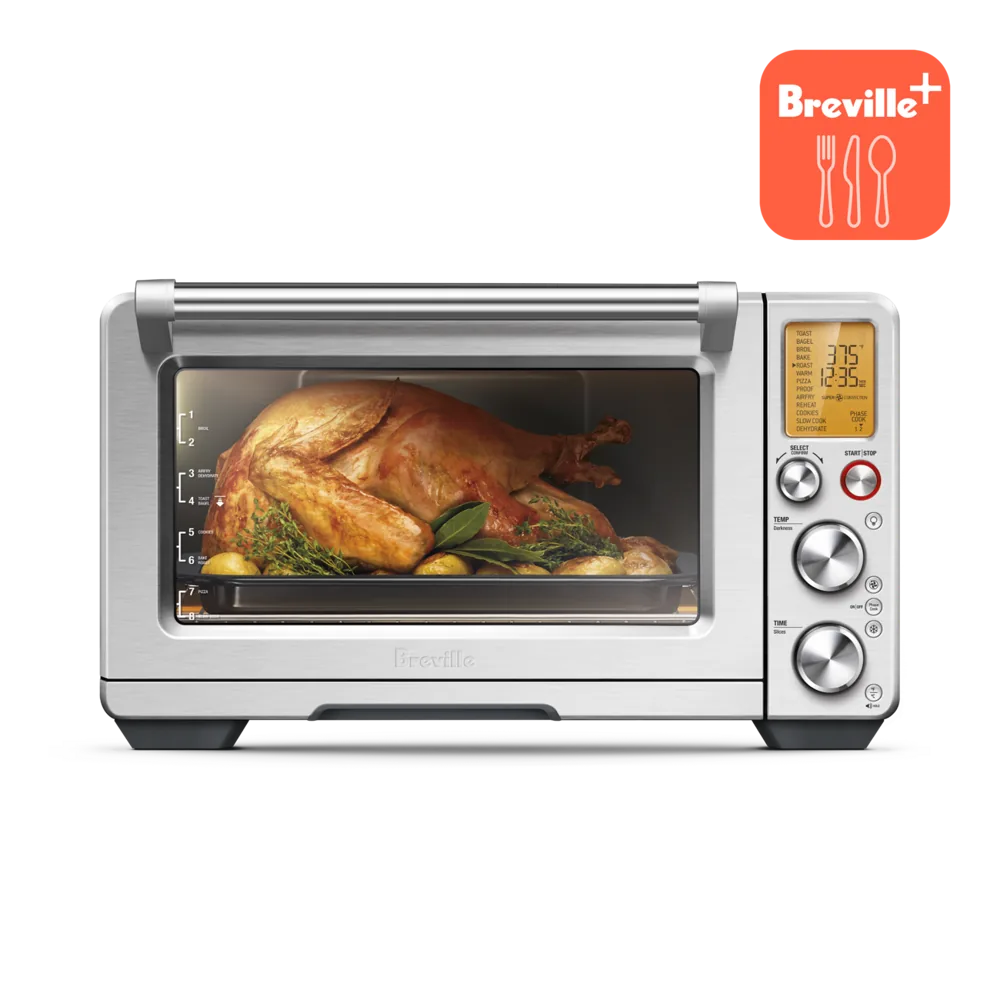
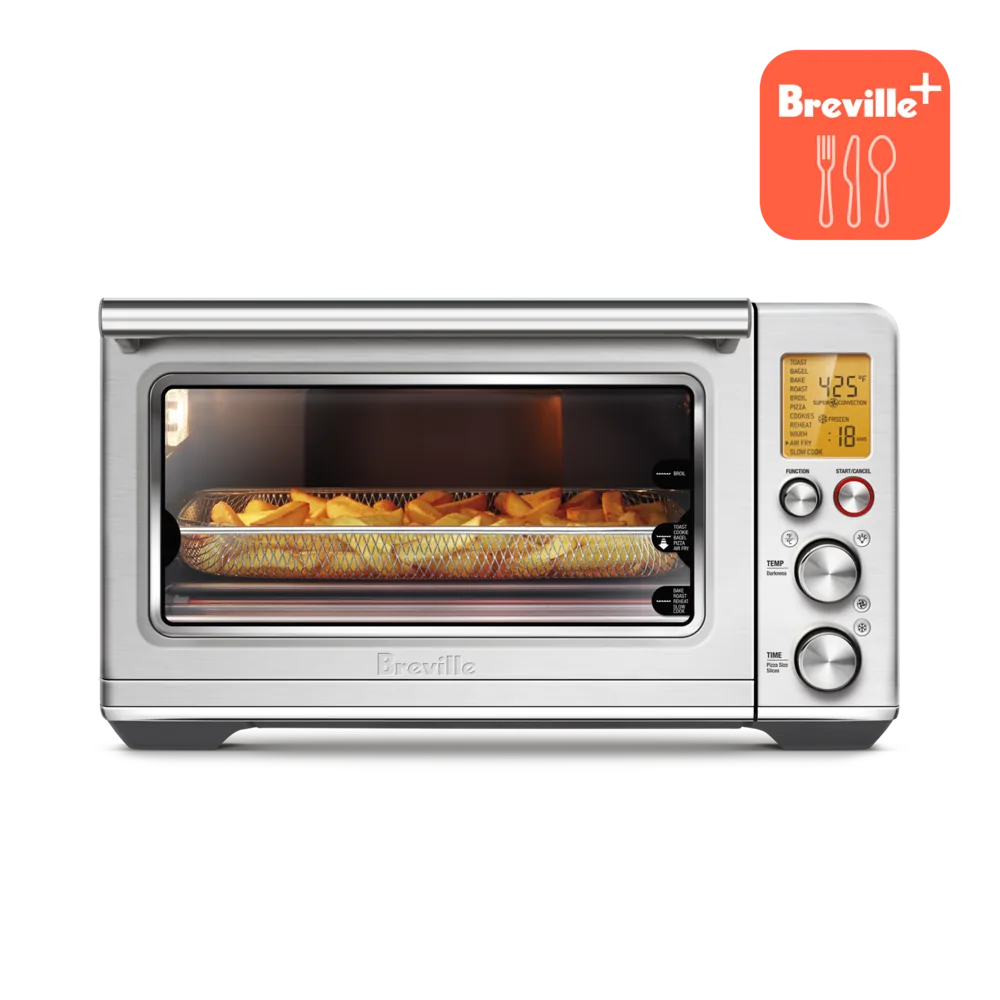
The regional Breville BOV860 instruction book ties rack position to particular functions. That example illustrates why shelf height belongs in the method. It does not establish that every countertop oven can cook on every rack simultaneously, or that a basket accessory behaves like an oven shelf. Keep the exact accessory identity, permitted positions and intended programme together when planning your load.
Think through the route to each level
With everything cold, rehearse installing and removing the rack as the manual allows. Then consider how you will check, turn or remove food on the lower level while the appliance is hot. If reaching it requires lifting a loaded upper shelf, the handling plan becomes more demanding. Decide whether suitable tools and a stable heat-safe landing place make that practical before putting food into the arrangement.
Imagine two portions of vegetables placed on different levels. The extra space looks attractive until you realise the upper tray blocks your view of the lower one. Separate batches may let you inspect both more easily. The useful question is whether the additional level increases manageable cooking space for this food, rather than merely increasing the number of surfaces.
Do not use vertical space to hide incompatible tasks
Foods sharing a chamber still need compatible preparation and handling. A rack does not create an independently controlled zone or guarantee separation of drips, allergens or contact. If one item is raw and another ready to eat, assess the recipe and food-safety implications before stacking them. Do not infer safe separation from a few centimetres of height. Use a supported combination or choose separate cooking methods.
Also check the actual thickness of the food on each level. A tall cake dish and a shallow tray are different clearance problems, even when their base dimensions match. The arrangement must remain within the appliance's permitted limits. Avoid solving a crowded top level by pressing food against the chamber roof or bending an accessory. If the planned meal only fits after such compromises, it needs a different loading plan.
Evaluate each level deliberately
Follow the supported method's instructions for checking or moving food. Observe each level's result independently, including any required internal-temperature checks. A browned upper portion tells you little about a hidden lower one. If the method permits rotation, record exactly what was moved and when. Do not create an unverified rotation routine based on another machine's shelves or assume moving racks is harmless in every design.
When making your household note, include rack identity, level, food quantity, thickness and access difficulties as well as settings. A useful conclusion might be that this approved rack works comfortably for small comparable pieces, while a different dish is easier in a separate run. That is more informative than calling the accessory universally good or bad. Repeat only an arrangement you can install, inspect and remove safely within the matching instructions.
Behind this guide
Sources & editorial method
This guide combines original editorial decision support with the linked documentation. It is not a hands-on product test. Check the exact regional model and its manual before purchasing or using an appliance.
How we research and publish our guides