On this page
Start here
Locate residue on the removable part
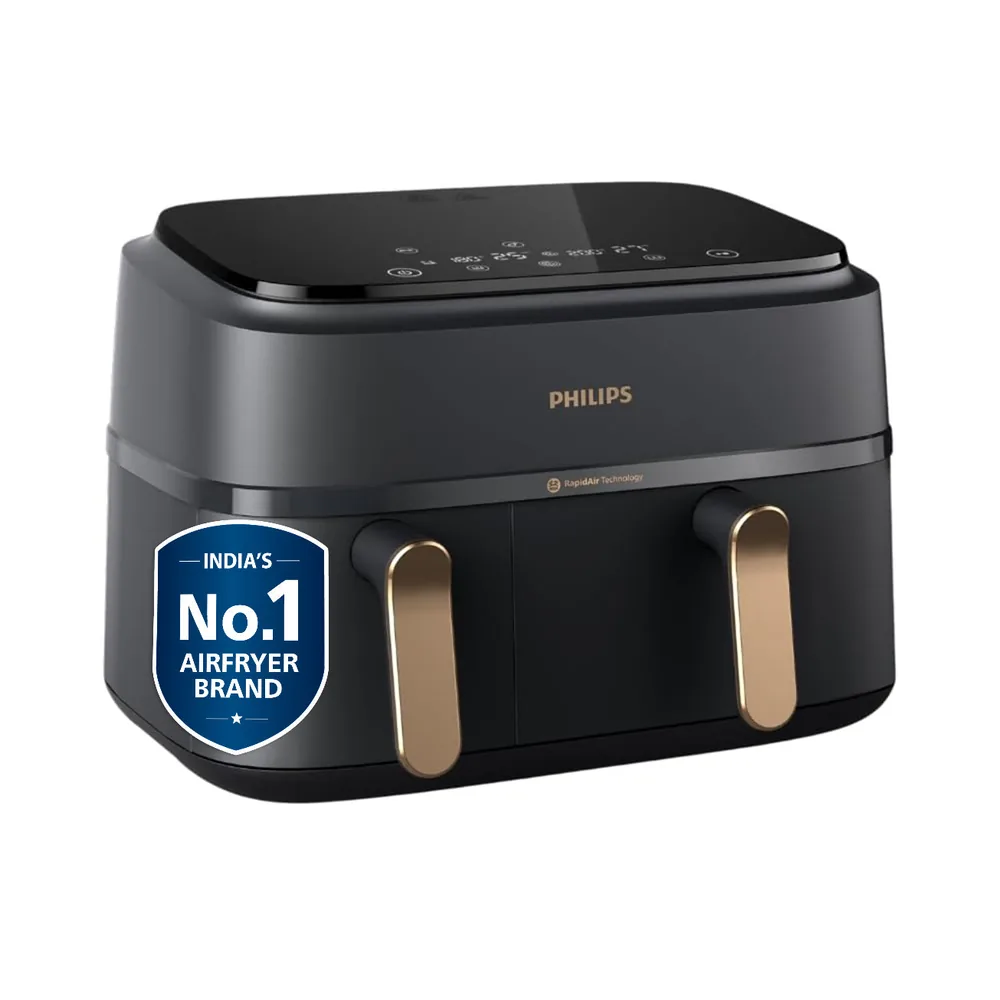
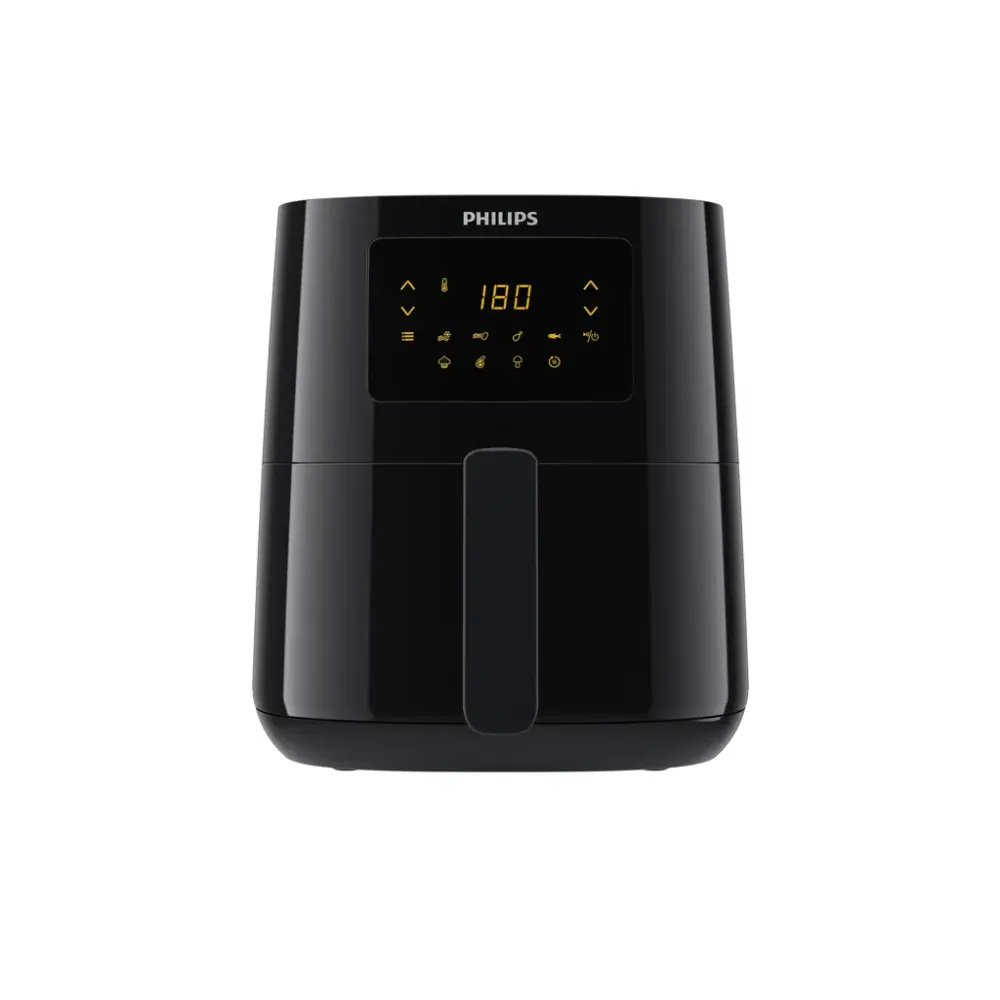
For an applicable Philips pan, allow safe cooling, then use its supported water-and-washing-up-liquid soak rather than scraping. Check afterwards whether the remaining mark is residue or a surface change. Inspect the basket using the model's safe handling instructions before deciding how to treat it. Note whether the residue is on the floor, an edge, beneath an insert or around a mechanism. Those locations may require different access. Do not treat a dark patch in the main housing as if it were a removable pan that can be soaked. Identify the exact surface and confirm the manufacturer's permitted method for it.
Philips' cleaning guidance describes soaking stubborn pan residue in hot water and washing-up liquid. Apply that example only where the matching model instructions permit it. It does not authorise soaking the electrical housing, using an oven-cleaning chemical or heating a bowl of cleaner. Keep the operation focused on the approved removable component rather than making one residue suggestion into a whole-appliance cleaning formula.
Distinguish residue from a changed surface
Look at the affected area before applying repeated pressure. A sticky deposit and damaged coating are different conditions, though both can look dark in poor lighting. Take a clear photograph of the cold surface if you need manufacturer advice. Avoid scratching the patch to find out what lies underneath. That action can alter the evidence and create damage even if the original issue was only a removable deposit.
For an example, a basket has a brown patch beside a pale exposed-looking mark. Treating both with the same aggressive scrub hides an important distinction. The sensible next step is a permitted gentle cleaning attempt on residue, followed by reassessment and support for the questionable surface. This is not a diagnosis of either mark. It is a way to keep the decision specific instead of assuming everything visible needs more force.
Choose one approved attempt
Prepare the permitted cleaner, tool and soaking arrangement before starting. Follow the specified instructions and inspect afterward. If the residue persists, record what you did rather than changing several methods in succession. Do not combine household cleaners, substitute a metal scraper or import a technique from a different coating. A successful cleaning procedure is supported by the appliance instructions, not simply by the fact that someone removed a similar-looking stain online.
Consider whether the basket can be positioned comfortably for the task without stressing its handle or release assembly. The sink may be crowded, or the part may rest awkwardly against other cookware. Clear enough room that cleaning pressure is controlled and does not require holding the basket by a vulnerable component. Planning the workspace can improve the attempt without introducing a stronger chemical or a more abrasive tool.
Decide what the unresolved patch needs
If a permitted method leaves a patch you cannot identify, ask the manufacturer with the model reference and photographs. Describe where it is, whether it changes after cleaning and whether there are any accompanying symptoms. Do not claim a coating is safe or unsafe based only on appearance. Manufacturer guidance for the particular material and condition is more useful than a general argument about nonstick surfaces.
For later meals, record the preparation and cleaning sequence if residue repeatedly returns in the same place. That information may reveal a missed care step or help support understand the issue. Do not promise that extra oil, a liner or a hotter burn-off will prevent it. The outcome you want is a known clean, serviceable basket within approved care instructions, with any unresolved surface question kept visible rather than polished away.
Behind this guide
Sources & editorial method
This guide combines original editorial decision support with the linked documentation. It is not a hands-on product test. Check the exact regional model and its manual before purchasing or using an appliance.
How we research and publish our guides