On this page
Start here
Describe the surface precisely
Photograph the cold surface and identify the exact part. Ask the manufacturer when its guidance does not clearly cover the mark; avoid scraping, sanding or concealing it beneath a liner. A mark may look like residue, a scratch, a worn area or peeling material. Describe what is visible and where it sits rather than assigning a material diagnosis immediately. Inspect only through the appliance's safe owner-care procedure. A clear photo of the cold part can help support understand the question. Do not scrape the mark to see what lies beneath, because that changes the surface you are trying to assess.
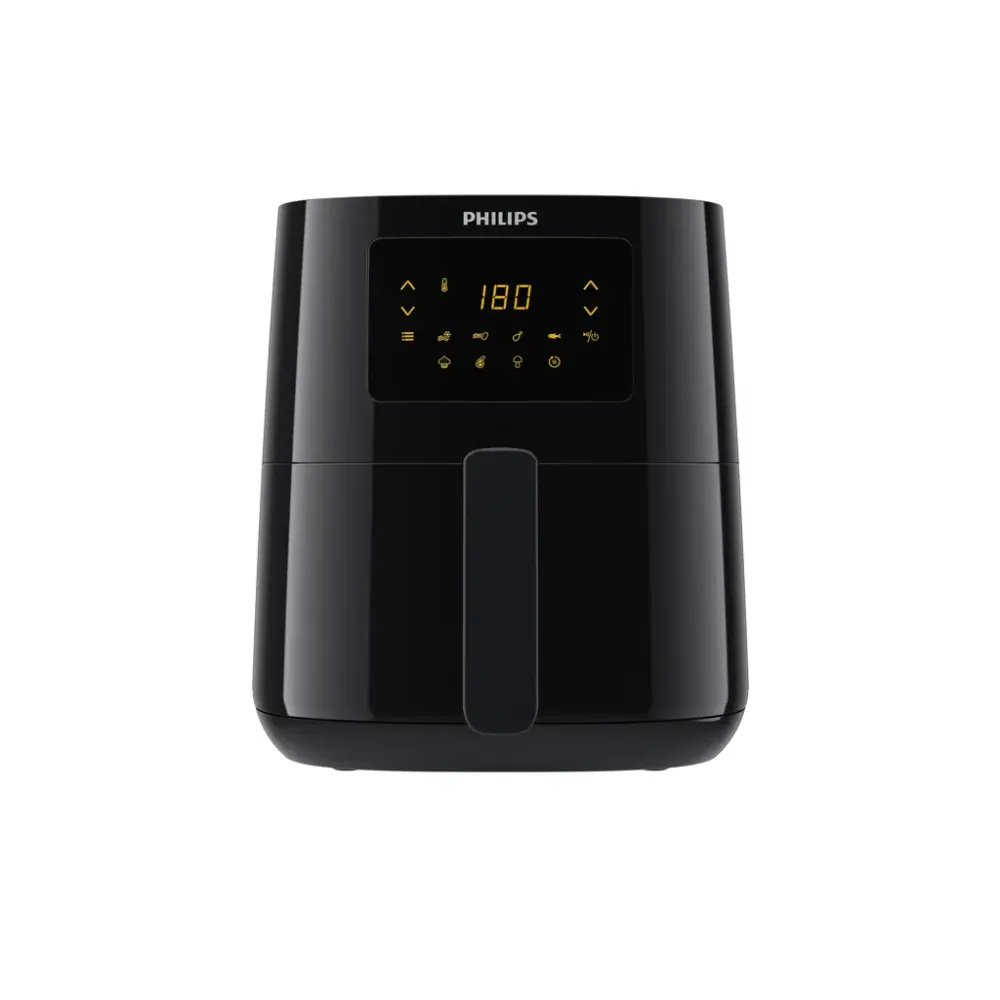
Philips' coating support discusses incidental scratches on its documented pans and baskets and gives handling advice. Its model-specific statement does not establish the condition or safety of every damaged-looking nonstick surface. Keep any reassurance within its stated scope. If the mark does not clearly match the guidance for your exact part, ask the manufacturer with the full reference instead of extending a general online answer.
Keep cleaning history attached
Record when the mark was first noticed, whether it appeared before first use and which permitted cleaning method was used. Note any recent accessory replacement or unusual event. These details are useful without requiring you to guess a chemical mechanism. A surface that changed after an unapproved treatment has a different history from a mark visible at unboxing, and the support team should receive that distinction.
Imagine a cook notices a small mark after removing a stubborn deposit. A photograph from before the cleaning attempt, if available, helps explain what changed. If no photo exists, describe the sequence plainly rather than presenting the current image as proof of the original condition. This example is about preserving evidence. It does not decide whether the appliance can continue to be used or what the coating is made from.
Avoid creating a home surface repair
Do not sand the basket, apply a household coating or use a repair product without explicit manufacturer support for the exact component. A treatment marketed for another cookware surface does not establish compatibility with this appliance. Likewise, installing a liner does not answer whether the underlying part remains serviceable. Keep the condition question visible rather than concealing it under an accessory and resuming use on an assumption.
If the manufacturer advises replacement, confirm the complete part reference and compatibility. A basket's approximate capacity and outside shape are insufficient for that decision. Retain the original part and evidence as support requests, following the applicable remedy instructions. Do not discard or modify the questionable component before understanding what the support process needs, especially when the issue was present at delivery.
Reach a documented readiness decision
Follow the manufacturer advice that applies to the particular mark and part. If the answer depends on information you have not supplied, collect it through safe owner access rather than broadening the reassurance yourself. Keep the support response with the model record so other users know what was assessed. A generic claim that all nonstick damage is harmless or dangerous would be less useful than a scoped decision.
For future care, revisit only the documented tool and handling restrictions relevant to the component. A care change may reduce avoidable uncertainty, but it should not become a promise that no wear will occur. The practical result is an identified surface condition, a supported action and a clear ready-use status. That is stronger than a guessed material, an abrasive home repair or an online argument built around an unclear photograph.
Behind this guide
Sources & editorial method
This guide combines original editorial decision support with the linked documentation. It is not a hands-on product test. Check the exact regional model and its manual before purchasing or using an appliance.
How we research and publish our guides