On this page
Start here
Name the result before selecting a button
Plain bread for breakfast and a refrigerated filled sandwich have different jobs. In the first case you want a particular surface colour and texture. In the second, you must heat the filling appropriately as well as managing the bread. Calling both jobs toast can hide the more demanding part. Describe the food, its starting state and the desired result before selecting a mode or borrowing another person's setting.
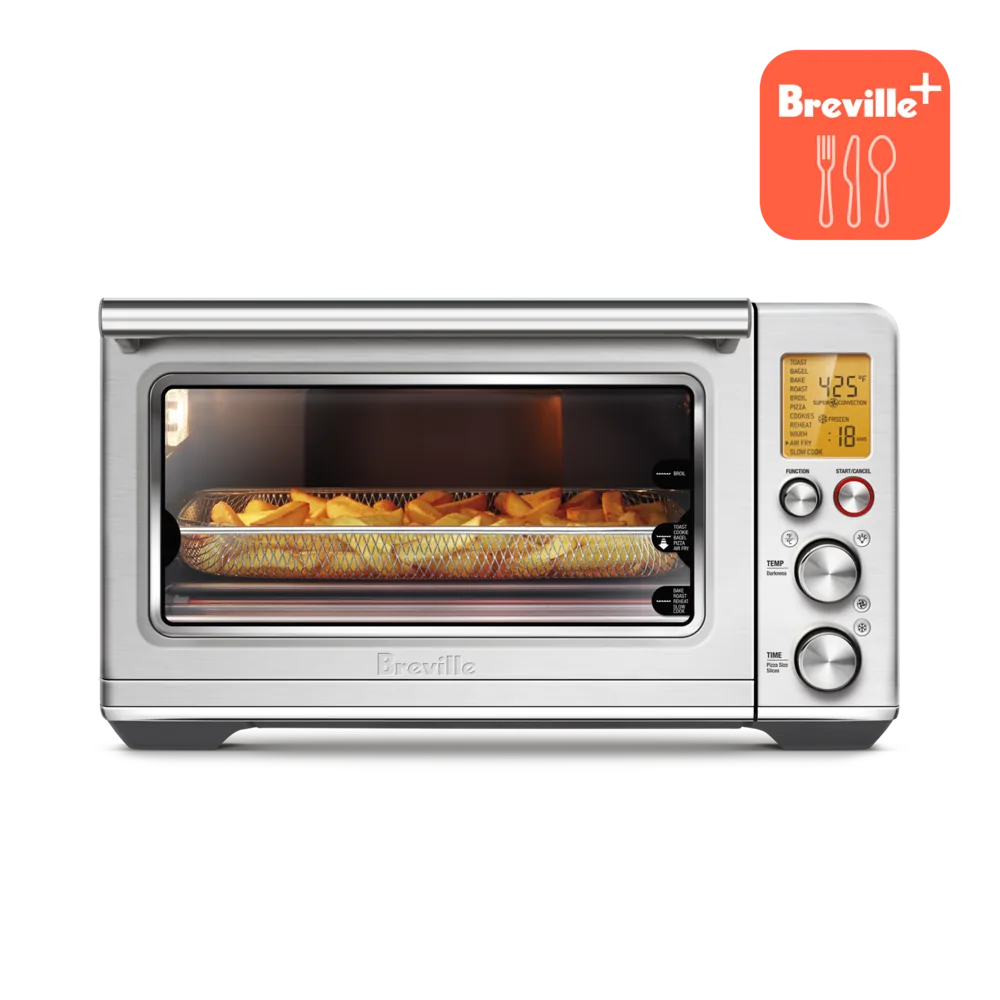
Breville's regional BOV860 manual gives Toast darkness and slice-count controls, while Reheat uses temperature and time controls. This is a concrete example of different programmes having different inputs. It is not evidence that every basket fryer offers Toast, or that a setting name guarantees a safe result. Check the actual controls and instructions on your appliance instead of looking for a button it never had.
Check placement and the filling
For plain bread, the intended rack or support and the number of pieces are part of the method. Check whether the manual illustrates a particular position. If a slice is too tall or folds against a wall, use a suitable alternative arrangement or appliance. Loose lightweight food also needs the handling and placement precautions in the matching instructions. Avoid inventing a restraint from unapproved household items.
For a sandwich, list the filling components and establish whether they are ready to eat or need cooking. A cheese-only sandwich is not the same task as a cold leftover containing poultry. Follow the appropriate reheating and food-safety method for that filling. If there is no clear way to measure or assess the dense centre, choose a different supported method instead of judging readiness by the outside of the bread.
Make the first attempt informative
Keep the first arrangement modest. One or two comparable pieces tell you more about colour distribution than a mixed pile of small crusts, thick sourdough and a filled roll. Note the bread's thickness and starting condition, then select a supported setting. Do not change darkness, loading and rack position all together after an unsatisfactory result; you would lose the ability to identify the relevant difference.
Imagine breakfast for two people who prefer different toast colours. If the appliance's programme treats the load as one group, separate batches may be easier than trying to remove one slice halfway through an unfamiliar cycle. Check whether such interruption is supported before planning it. The goal is a calm serving sequence, with suitable tools and a clear place to set the hot food, rather than maximum theoretical capacity.
Keep browning notes distinct from reheating notes
For plain bread, a useful note describes the product, slice thickness, position, load and preferred darkness. For a filled leftover, add storage history, filling and the required endpoint checks. Keeping these two records separate avoids a common mistake: reusing a good toast setting for food with a cold centre. A successful surface result does not establish that the same programme suits every sandwich.
If your basket appliance has only a generic Air Fry programme, follow its supported bread method and do not relabel it as a calibrated toaster. If a countertop oven offers both modes, use the manual to understand their controls and placement. The right choice is the programme that addresses your actual food task and allows appropriate checks. There is no benefit in choosing Toast merely because the outside ingredient happens to be bread.
Behind this guide
Sources & editorial method
This guide combines original editorial decision support with the linked documentation. It is not a hands-on product test. Check the exact regional model and its manual before purchasing or using an appliance.
How we research and publish our guides