On this page
Start here
Sausage is not one preparation category
Before cooking sausages in an air fryer, check the product's ingredient type and preparation state. Raw fresh sausages, poultry sausages, cooked products, and frozen items can have different directions. Use the exact label or a suitable recipe instead of applying one timer to the entire category.
Check whether the product directions call for piercing, slicing, turning, or another specific preparation step. Follow the product method and appliance instructions for the actual food you have, then keep the identity visible in your cooking record.
Use the relevant safety target
US FoodSafety.gov includes 160°F / 71°C for ground meat and sausage in its relevant meat group, while poultry sausage is listed with poultry at 165°F / 74°C. Use appropriate official local guidance and product instructions for your actual sausage.
A browned casing does not tell you the full internal condition. Use a suitable food thermometer according to its instructions where required. Prepared products can have their own heating requirements, so do not assume a raw-meat example covers every packet.
Keep size and state in the method
Read whether the source uses whole links, small pieces, thick sausages, or another form. A recipe involving cut pieces with vegetables is not automatically a method for whole links. Likewise, frozen directions should stay attached to the exact product they describe.
If you alter the preparation, choose guidance that supports the change rather than borrowing only the original settings. Record link size and number as well as total amount. This gives a clearer comparison when two packets look similar but contain different products.
Arrange the load according to the appliance
Check the plate or permitted dish and the model's loading guidance. If the amount cannot use the intended arrangement, plan another load or a supported alternative method. A basket full of sausages is not necessarily the same setup as a recipe's smaller portion.
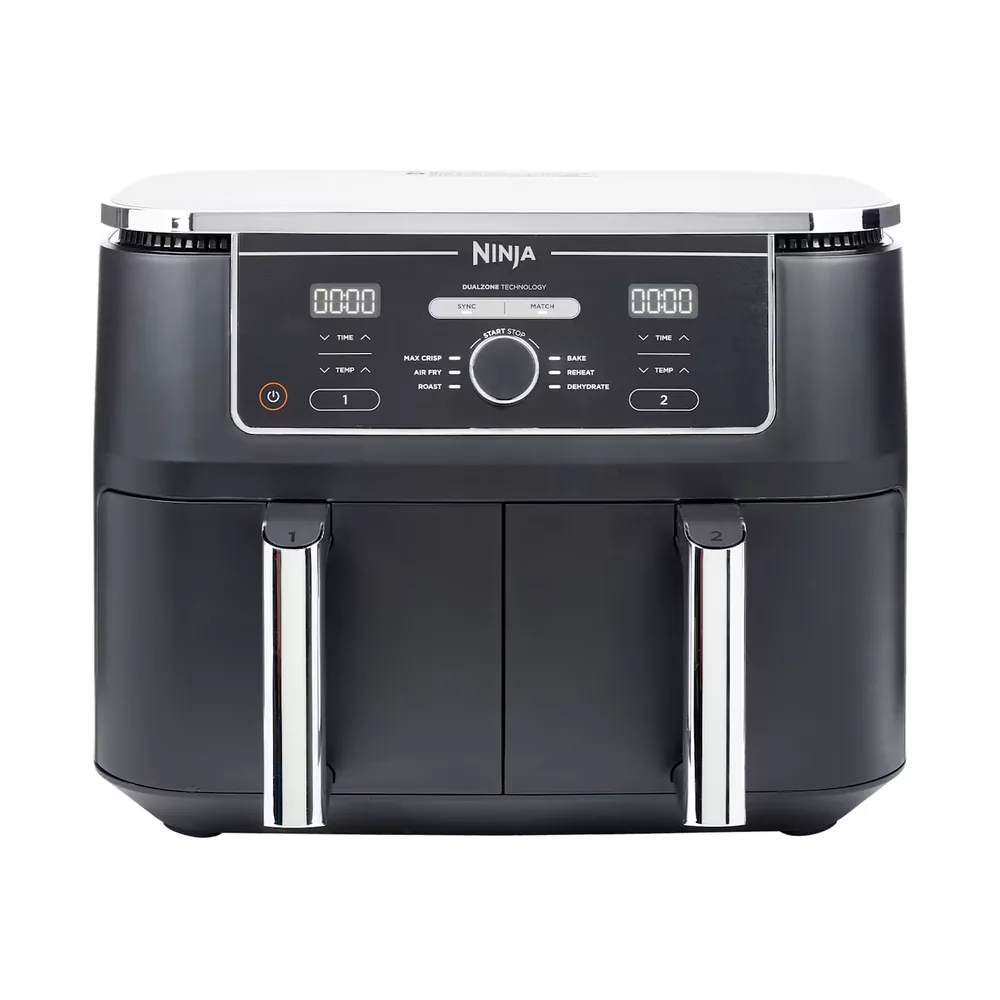
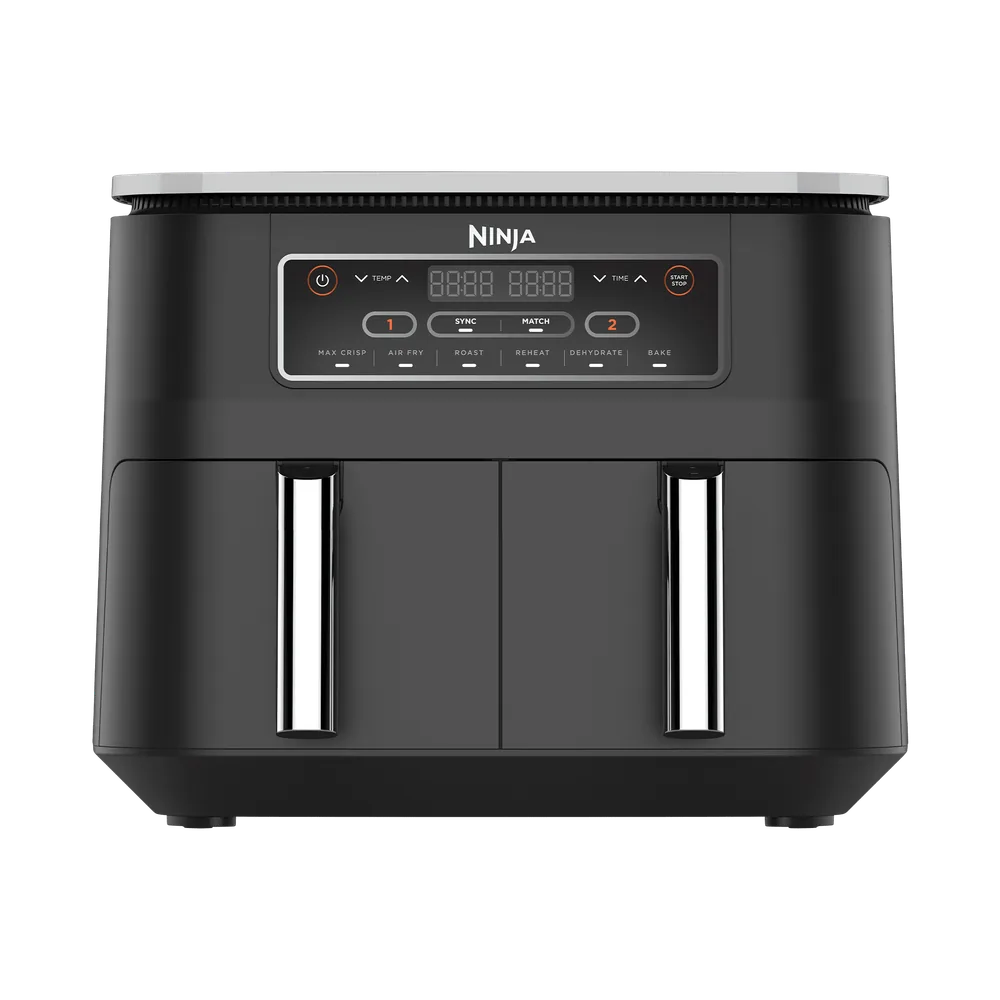
Read the permitted handling steps for turning or other checks. Do not assume opening one zone affects another zone in the same way across every appliance. The exact manual explains controls and interruptions more reliably than a generic dual-drawer description.
Plan vegetables and sides separately
If you want sausages with vegetables, check a documented combined recipe rather than assuming all ingredients need the same settings. Cooking them for the same meal does not require putting them in one chamber. A separate drawer or another cooking method may suit the components more clearly.
Include serving and completion checks in the plan. Do not use a side dish's appearance to judge the sausages or the appliance's finish signal to judge every component. Each food retains its own appropriate preparation requirement.
Example: keep two products identifiable
If a meal includes two types of sausage, retain both packets and identify which pieces belong to each product throughout preparation. Check whether the chosen method supports cooking them together; do not infer that from a similar appearance. Separate methods or batches may make the instructions easier to follow. Write the intended serving order and the checks required for each product before starting. This is especially helpful when one product is prepared differently from the other. The useful comparison is the exact product and its supported method, rather than the shared name sausage.
A sausage cooking checklist
Save the packet, exact product type, starting state, size, quantity, setup, and checks. When comparing attempts, keep those variables consistent and change one appropriate detail at a time. This is more useful than an undated universal sausage chart.
- Identify raw, cooked, frozen, or other prepared state.
- Check meat type and exact product instructions.
- Record whole links versus cut pieces and their size.
- Use appropriate internal-temperature guidance.
- Follow the model loading and handling arrangement.
- Plan other dinner components with their own methods.
Behind this guide
Sources & editorial method
This guide combines original editorial decision support with the linked documentation. It is not a hands-on product test. Check the exact regional model and its manual before purchasing or using an appliance.
- FoodSafety.gov safe minimum internal-temperature chart ↗Checked
- UK Food Standards Agency: cooking your food ↗Checked