On this page
Start here
Make transport a separate task from cooking
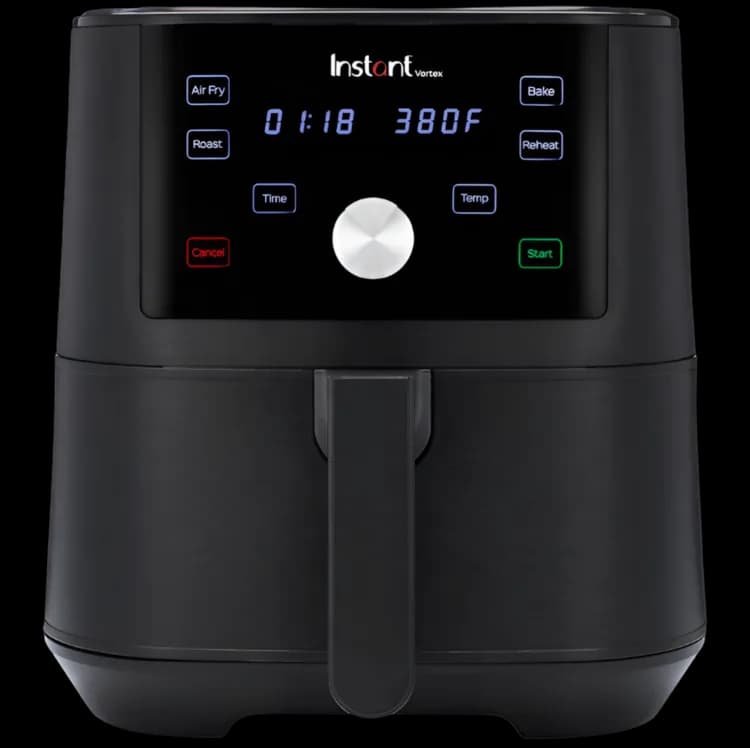
Complete shutdown and care, identify the permitted lifting method and inventory loose parts before moving. At the destination, check the new location and supply instead of assuming the former setup transfers. Finish the manufacturer's shutdown and care sequence before preparing an appliance to move. Check its handling instructions and identify the permitted way to lift the complete unit. Do not assume a drawer handle is a carrying handle for the housing. A short move between counters can create the same basic handling questions as a longer trip: loose parts, an awkward grip and a destination that has not been assessed.
Instant's regional Vortex oven manual includes model-specific transport and storage care. Use such instructions for the actual reference rather than copying a method from a differently shaped appliance. CPSC's cord checklist also highlights pinch and damage concerns. Those sources support checking the documented handling and visible lead condition; they do not provide a universal packing arrangement or permission to pull a unit by its cable.
Inventory what travels with the unit
List removable pieces and approved accessories before packing. Follow the manual on whether components stay installed or are stored separately. Keep their identities clear and avoid allowing a loose heavy object to press on a door, display or handle. If using original packaging, verify that you understand which supports belonged to it rather than assuming a partly retained box protects the appliance in the same way as the original complete arrangement.
For an example, a household moves its air fryer to a holiday home and carries a separate approved tray. A small parts list can prevent that tray being left behind or replaced with an unrelated one at the destination. The useful preparation includes the manual link and exact model reference as well as the physical parts. A familiar product name alone may be insufficient when the new kitchen needs placement or supply information.
Record condition before and after
Use permitted cold inspection to note obvious pre-existing damage or an unresolved service question. A few clear photographs can be useful for your own inventory or a service conversation. Do not conduct a heating cycle purely to prove transport readiness when a concern already exists. Packing the appliance does not pause the need to resolve that condition; label its status so it cannot become ready by assumption at the next location.
After transport, compare the owner-accessible condition and component inventory. If you notice a new crack, loose part or damaged lead, leave it out of use and obtain appropriate advice. Do not tighten or adjust hidden assemblies to undo what you presume happened in transit. Describe the changed condition and handling history instead. A specific event record is more useful than a theory about which internal part shifted inside the box.
Assess the destination as a new installation
Read the exact model's placement and electrical requirements for the new location. Confirm the supported surface, ventilation space and drawer or lid route. A physical socket match does not establish electrical suitability, and a travel adapter does not resolve regional appliance requirements by itself. Use the manufacturer and appropriate qualified guidance rather than improvising a supply arrangement for the convenience of one meal.
Complete the manual's setup and care requirements before returning to cooking. Save the destination observations with the appliance record if it moves regularly. The practical result is a unit with a known history, complete components and a supported operating arrangement in its new place. Transport should not depend on carrying a loaded drawer, hiding an unresolved defect or assuming that an appliance suitable for one kitchen automatically suits every room it can physically enter.
Behind this guide
Sources & editorial method
This guide combines original editorial decision support with the linked documentation. It is not a hands-on product test. Check the exact regional model and its manual before purchasing or using an appliance.
- Instant Vortex air fryer oven regional manual ↗Checked
- CPSC electrical cord home safety checklist ↗Checked