On this page
Start here
The completed programme is not the whole sequence
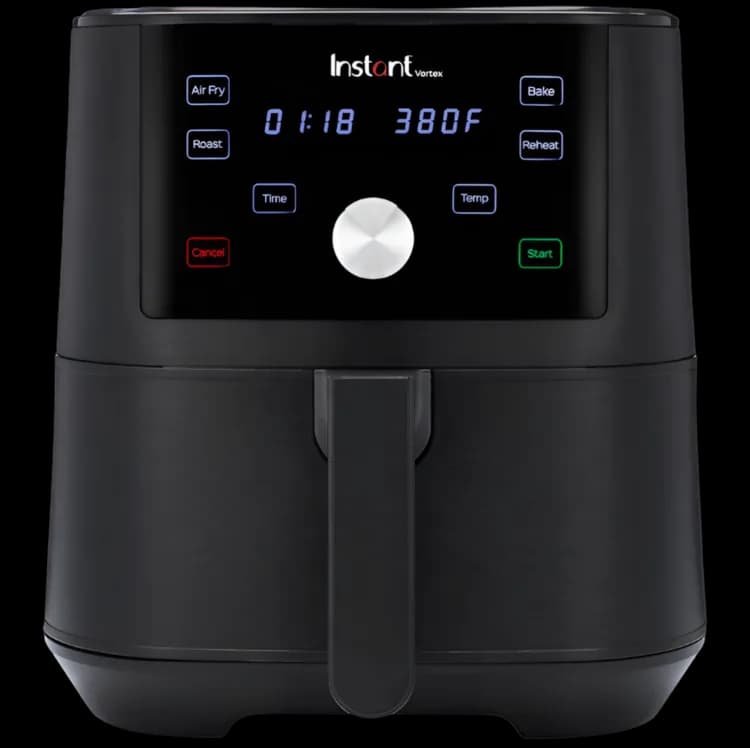
Leave the appliance in its supported position while its shutdown sequence finishes. Complete the instructed cooling and care before moving it; a finished timer is not a storage-readiness check. A timer ending tells you the programme has reached its end, not that every part is ready to touch, clean or put in a cupboard. Read the shutdown, cooling and handling instructions for the exact model. The Instant Vortex EU manual describes a short fan phase after a programme and requires cooling before cleaning. That example matters because post-cook behaviour belongs to the operating sequence, rather than being unexplained activity to interrupt automatically.
Keep the meal task and storage task separate in your plan. Serve the food through the permitted handling method, then complete the appliance's remaining instructions. Do not borrow a universal cooling duration from another machine or decide readiness from one accessible surface. The body, removable accessory and any internal area can have different handling requirements that the matching manual should define.
Give the appliance a supported waiting place
Choose its operating position with the after-cook sequence in mind. If your counter only fits the machine by blocking a route needed later, storage pressure can tempt you to move it too soon. Keep the required space available while the manual's shutdown and cooling procedure continues. Avoid draping a cloth or placing a box over it merely to reclaim a tidy-looking surface before the appliance is ready for storage.
For an example, a small kitchen uses the same counter for dinner preparation and washing up. The household can clear dishes into another supported area while the appliance completes its care sequence, then move it only when permitted. This is an organisation example, not a cooling-time calculation. It reduces the conflict between kitchen cleanup and safe handling without changing the manufacturer's procedure.
Do not use a shortcut to decide readiness
Avoid treating an empty drawer, a quiet display or a cool handle as proof that every part may be stored. Follow the actual instructions for preparation and movement. Do not add water, force air through vents or place the appliance in a colder location to accelerate cooling unless the manufacturer explicitly provides such a method. The storage deadline should adapt to the supported sequence, not override it.
If the appliance remains unusually hot or behaves abnormally, treat that as a support question rather than simply extending the wait and assuming the concern is resolved. Record the programme and what you observed without touching surfaces beyond their permitted handling. An unexplained change after a familiar meal deserves specific advice. Routine cooling and investigating a possible fault are separate decisions.
Connect cooling with cleaning and the next use
Once the manual permits the next care step, complete cleaning, drying and reassembly as required before storage. Account for accessories that remain outside the appliance and make their status clear to other users. If the appliance stays on the counter overnight, leave it in its supported ready state rather than assuming cooling alone finishes the job. A known clean and complete setup is more useful for the next meal.
Record the exact shutdown and storage source in the household appliance note. When moving to another home or replacing the machine, revisit that sequence instead of retaining the old routine by habit. The practical aim is a planned interval after cooking in which the appliance can complete its prescribed steps. It should not depend on rushing hot components into a cupboard because the timer or dinner happened to end.
Behind this guide
Sources & editorial method
This guide combines original editorial decision support with the linked documentation. It is not a hands-on product test. Check the exact regional model and its manual before purchasing or using an appliance.
How we research and publish our guides