On this page
Start here
Choose a method for the actual fillet
Start with a fish method that matches the type, cut, preparation state, and appliance format you are using. A thin portion and a thick fillet are not interchangeable simply because both are fish. A fresh fillet and a frozen coated product also need different source guidance.
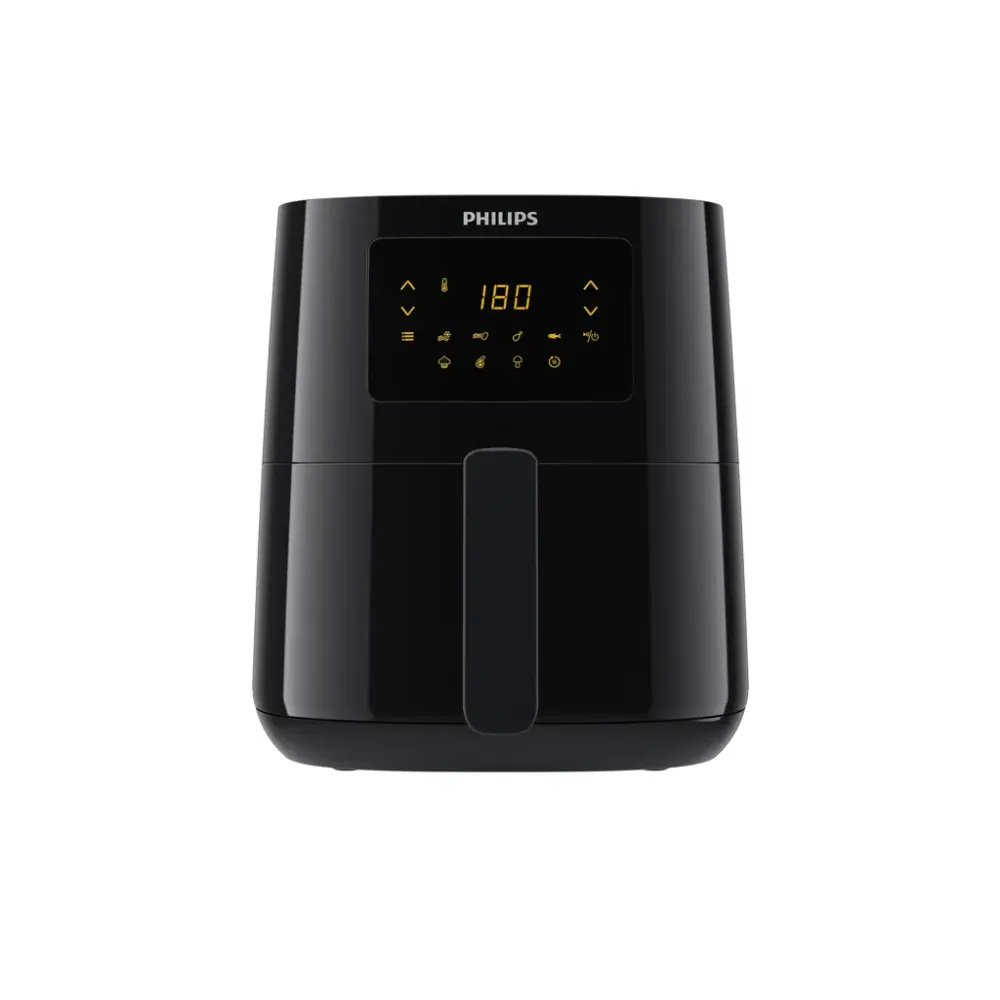
Include the fillet's fit, handling sequence, and appropriate checks in your plan. A reliable note records the actual food shape and method rather than reducing the decision to the Fish icon on the panel.
Confirm the food and the cooking arrangement
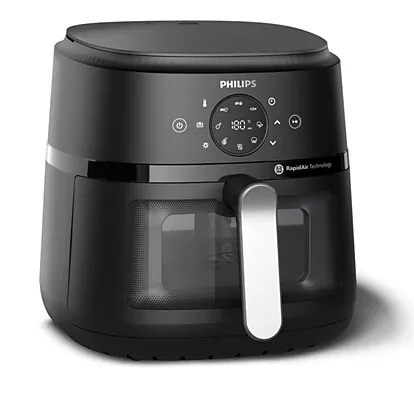
The Philips HD9200 manual includes a model-specific fish-fillet example with a defined loading arrangement. Use such guidance within its stated scope, rather than copying it to every fillet or appliance. Match the food, recipe, and appliance instructions before planning a dish or plate.
Check whether the fillet fits the usable surface in the arrangement required by the method. A long fillet can encounter a shape constraint that its weight does not reveal. If it does not fit, choose a supported alternative rather than folding or forcing it solely to close the drawer.
Describe thickness where it matters
Record a useful size description, including an uneven thicker area if present. Two portions with the same weight can have different shapes. A recipe that identifies one cut should not be treated as a guaranteed result for another.
When preparing several portions, note significant differences between them. This gives you a better basis for selecting a matching method and completion checks. It also prevents an observation about one small piece from being generalized to the rest of the load without evidence.
Plan removal before cooking
Check the recipe and appliance instructions for any turning, support, and removal steps. A plate, rack, dish, or liner needs its own compatible setup. Do not assume a convenient-looking accessory in another model's photo is appropriate for yours.
Have the permitted utensils and landing area ready. The handling routine should allow you to follow the method without improvising near hot parts. If a recipe uses a dish or a different appliance format, verify that distinction instead of borrowing only its timing.
Use a food check rather than colour alone
US FoodSafety.gov lists 145°F / 63°C for fin fish. Use a suitable food thermometer and appropriate official guidance for the food and your location. Surface browning and the appliance temperature display answer different questions from a measured internal temperature.
Follow the thermometer's measurement instructions. If you use an integrated probe, check the appliance's restrictions for the intended thickness and food state. A useful feature does not remove the need to position it appropriately or to verify that the setup is supported.
Example: compare a pack with the cooking space
Before committing to a fish dinner, look at the actual pieces in the pack and the arrangement required by the recipe or product instructions. Decide whether they can occupy that arrangement comfortably and whether you can remove them with your available utensils. Plan the sauce, salad, or other side around the supported sequence. If the pieces need separate loads, put that on the meal plan rather than discovering it after preparation. Photographing the uncooked layout for your own notes can be useful, but a layout photo cannot replace the necessary cooking guidance or food checks.
A fish preparation checklist
Save the food reference, state, cut, thickness description, amount, setup, recipe, and observation. Change one compatible variable when improving the next attempt. Clear preparation information is more valuable than a confident universal timer for fish.
- Identify fresh, frozen, plain, or coated fish.
- Choose a method matching the cut and appliance format.
- Check usable surface fit and uneven thickness.
- Verify dishes, liners, or other supports separately.
- Plan permitted turning and removal tools.
- Keep measured-doneness guidance separate from visible browning.
Behind this guide
Sources & editorial method
This guide combines original editorial decision support with the linked documentation. It is not a hands-on product test. Check the exact regional model and its manual before purchasing or using an appliance.
- Philips HD9200 user manual: model-specific food table ↗Checked
- FoodSafety.gov safe minimum internal-temperature chart ↗Checked