On this page
Start here
Describe a change in your appliance
Record the new sound and when it appeared. If it differs from documented normal operation, seek manufacturer advice rather than reaching through vents or running repeated cycles to investigate the fan. An air fryer can make operating sounds, but the useful question is whether the sound has changed or matches the normal behaviour described for your exact model. Note whether it began at startup, during a particular programme or at the end. Describe it in ordinary words such as rattling or scraping without naming a failed component. A recording of someone else's appliance cannot establish what is normal for your unit.
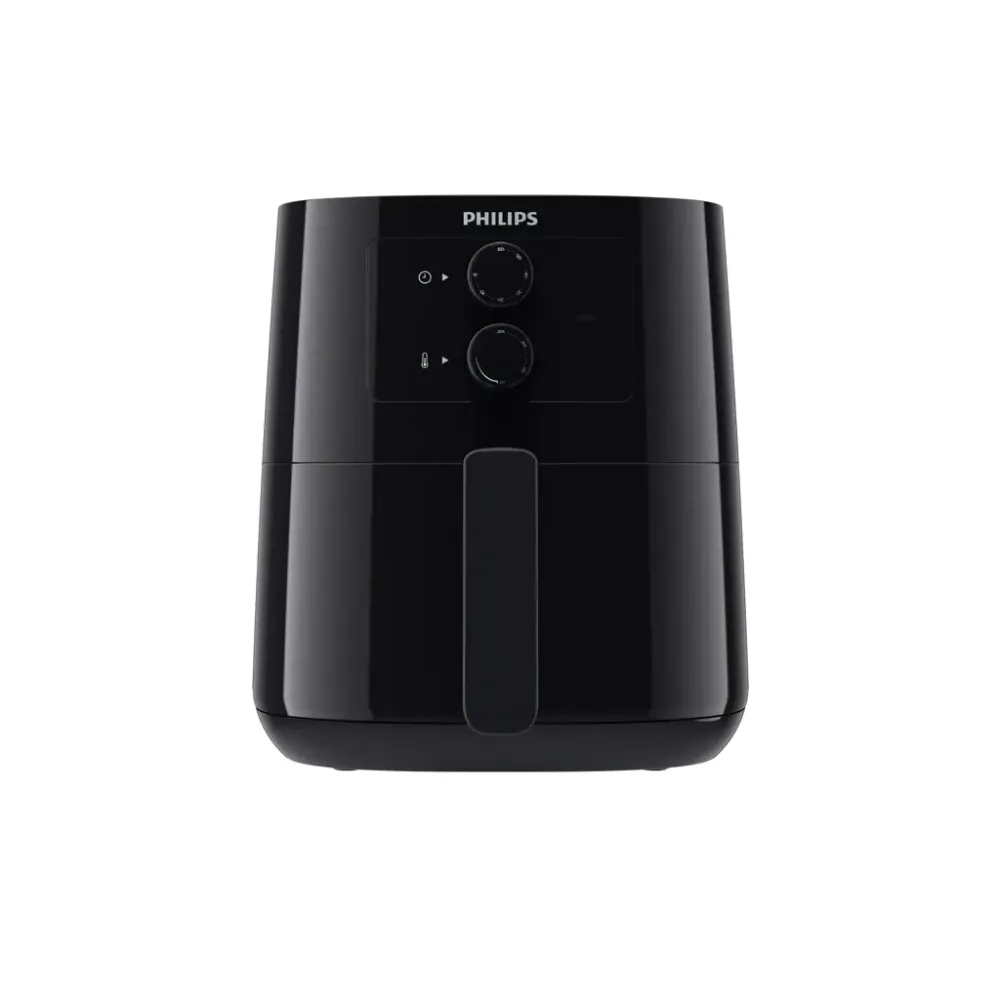
The HD9200 manual states that there are no other user-serviceable parts beyond its documented care. That supports keeping an unexplained noise within the manufacturer support route, rather than trying to inspect or adjust an internal component. The manual does not diagnose every unfamiliar sound, and this guide does not label your fan or motor as defective. If sound comes with smoke, damage or another concerning symptom, follow the relevant safety response before collecting further observations.
Keep accessories and recent changes in the note
Record which approved accessories were installed, the food and programme, and whether the appliance was recently cleaned or moved. A changed assembly is relevant context even if you cannot say it caused the noise. When the appliance can be safely handled, perform only the owner checks allowed by its instructions. Do not spin the fan, bend a guard or insert tools through vents to test a theory.
For an example, a cook notices a new rattle after transporting the appliance to another home. They can report that timeline and any visible cold-part change to support. They should not shake the housing to locate the presumed loose piece. This distinction matters because an observation can be useful without becoming a diagnosis, and improvised tests may introduce another mechanical event into the history.
Avoid repeated operation just to capture evidence
If you already have a short recording from the event, retain it. If not, describe the original sound and timing. Do not run repeated empty cycles solely to produce a better recording of an unresolved fault. Follow the manufacturer's instructions about whether any further operation is appropriate. A quiet interval after stopping does not show that the next cooking programme will be unaffected.
Do not compare sound levels numerically unless you have an appropriate supported measurement and a reason it is relevant. An online video may have different microphone placement, background noise and compression. A precise-sounding decibel claim from a phone beside the counter can distract from the useful facts: new sound, exact model, programme stage and accompanying symptoms. Support generally needs a clear event description before a speculative performance comparison.
Ask a focused support question
Send the full reference, event timing, accessory arrangement and recent changes, together with any safely collected recording or photos. State which documented owner checks were followed and whether the sound has been observed more than once. Avoid claiming the fan or motor is broken unless the manufacturer has assessed it. Let the report distinguish what you heard from what you suspect.
Keep the appliance unavailable when manufacturer guidance requires it or the concern remains unresolved. Tell other users the current status so they do not treat another programme as a test. Retain the support answer and any relevant service record. The goal is to establish whether the sound is documented normal behaviour or needs action for this unit, without turning an uncertain noise into a do-it-yourself adjustment of inaccessible moving parts.
Behind this guide
Sources & editorial method
This guide combines original editorial decision support with the linked documentation. It is not a hands-on product test. Check the exact regional model and its manual before purchasing or using an appliance.
How we research and publish our guides