On this page
Start here
Start with the physical reference
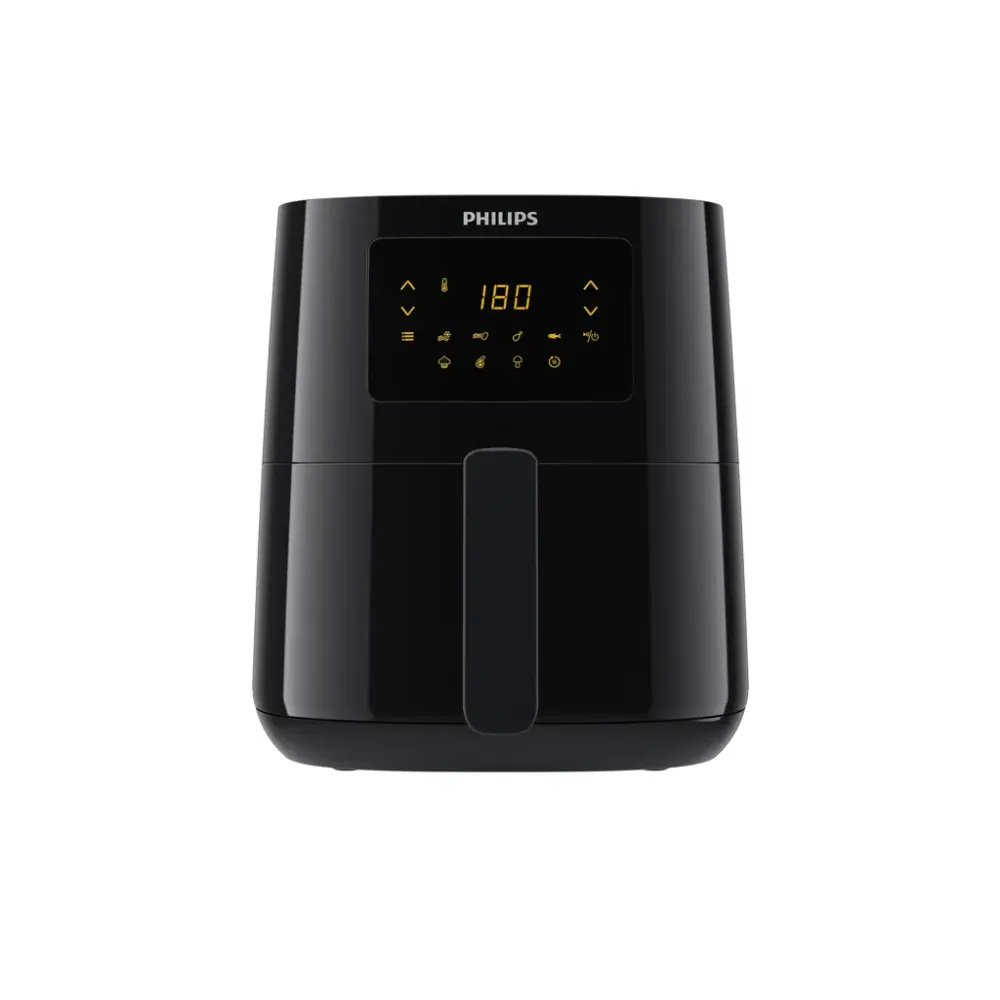
Compare the physical full model reference with the relevant official notice. If it matches, stop using it and follow that notice; if identification is unclear, ask before assuming exclusion. Use the manufacturer's identification instructions and your saved record to find the exact model and serial or production information needed for a recall check. Philips' identification guidance points owners to labels under its appliance base. Follow the safe handling instructions for your actual unit when locating information, rather than turning a hot or loaded appliance over. A retailer title or a remembered capacity is not a sufficient identifier.
Keep the full suffix and region. Similar product names can describe different models, and a recall notice can have a specific market or production scope. Do not infer that an entire brand is recalled or that a visually similar unit is excluded. The purpose of identification is to compare the physical appliance with the official notice's actual criteria, not to find the closest-looking photograph.
Read the official notice in full
Use the relevant official safety authority and manufacturer pages for the market where the unit belongs. The CPSC's 2023 COSORI notice lists affected references and directs owners of recalled units to stop using them and follow the remedy. That is a specific US notice, not a statement about every COSORI product worldwide. Read its complete identification and remedy sections rather than transferring the instruction to an unrelated model.
A recall page's publication date is also useful context, but age does not mean the remedy is irrelevant to a unit still in use. Verify current manufacturer instructions when acting. Do not rely solely on a social post saying a recall ended or a seller claiming a product was unaffected. If the identification is uncertain, ask the manufacturer or relevant authority with the complete details before continuing use.
Keep remedy actions tied to the notice
Follow only the applicable official remedy and its sequence. Do not cut a lead, discard a part or modify the appliance simply because another recall requested that action. Remedy requirements can differ, and changing the unit prematurely may remove information or evidence the correct process needs. Save the notice and any registration instructions for the actual matching model, then provide private identifying information through the appropriate official channel.
For an example, someone inherits an appliance without its box. They can still locate the unit's reference, compare it with official criteria and ask support when a suffix is unclear. They should not treat the missing receipt as proof that the unit cannot be assessed. The check is about identity and notice scope first. Remedy eligibility or documentation questions should be answered by the official process rather than guessed from another owner's experience.
Record the outcome and recheck relevant changes
Keep the date checked, official source, exact identity and result in the household appliance record. If it matches a notice, clearly mark the unit unavailable and follow the official instructions. If it does not match the notice you checked, state that limited result rather than declaring it permanently recall-free. A specific completed check is evidence; a broad lifetime safety promise is not.
Repeat the relevant official check when buying used, receiving a replacement or returning a long-stored appliance to use. Keep replacement references separate from the original unit so the record stays accurate. The practical outcome is a clear match decision and the proper remedy where required. It avoids both overgeneralising a brand's recall and dismissing an affected appliance because its familiar name, colour or seller description seems slightly different from a headline.
Behind this guide
Sources & editorial method
This guide combines original editorial decision support with the linked documentation. It is not a hands-on product test. Check the exact regional model and its manual before purchasing or using an appliance.
How we research and publish our guides