On this page
Start here
A programme name is not a universal specification
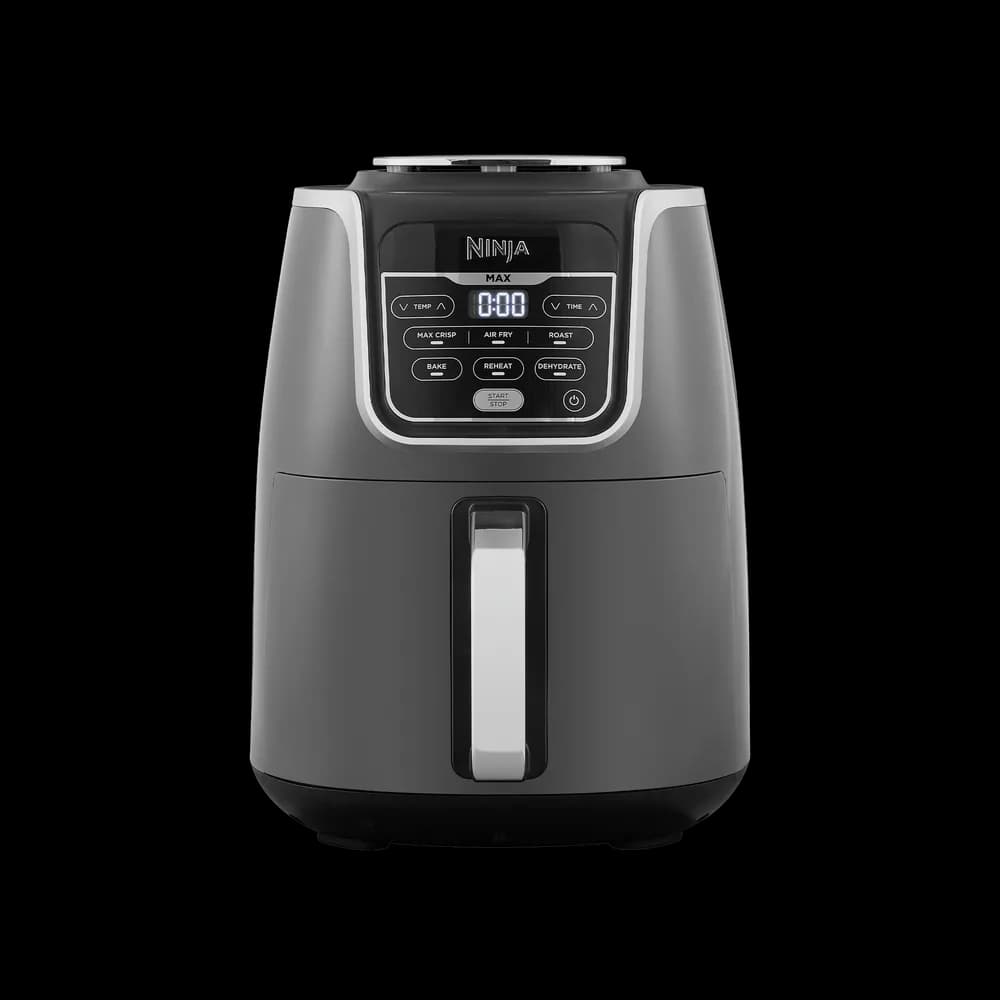
Max Crisp sounds like a texture promise, but the important information is what that programme does on your exact appliance and which foods the manufacturer assigns to it. Read its mode instructions and cooking examples. Another Ninja model, a glass system or a different brand can use similar words without providing the same controls. Do not infer a fixed temperature or a suitable food from the label alone.
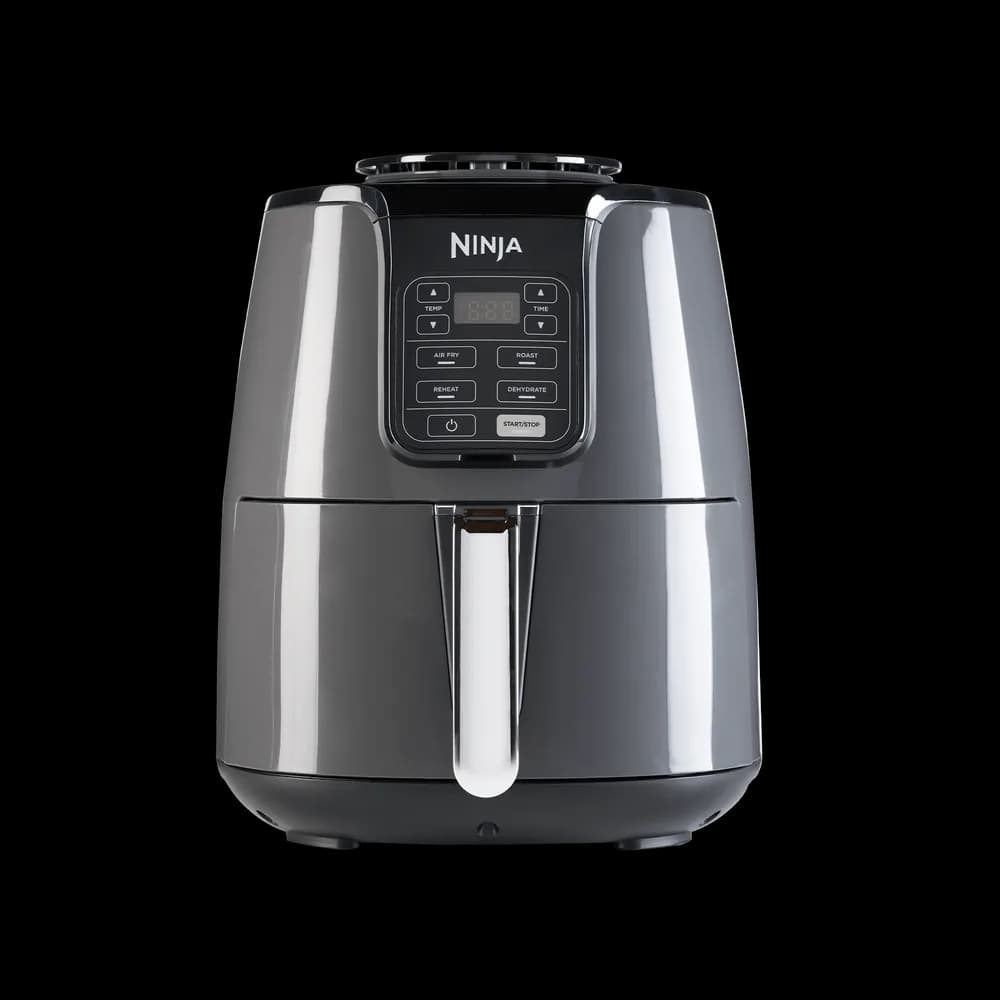
Ninja's Australian AF160 page lists Max Crisp and Air Fry as separate functions. That is a documented model example, not a basis for transplanting its instructions to a European suffix or another generation. Match the manual to the rating label and consult its recommended applications. If the appliance offers no Max Crisp programme, do not assume its highest Air Fry setting is an equivalent substitute.
Separate raw, precooked and coated foods
Identify the food's state before seeking a crisp surface. Frozen is a storage condition, not proof that a product is cooked. A browned coating can conceal a raw filling. Keep package instructions and relevant food-safety checks in view when selecting a mode. If the packet does not support air frying, a manufacturer's general mode description cannot create product-specific cooking approval on its behalf.
For an planning example, a cook wants to prepare frozen potato pieces and a coated poultry product. Both look like crisp-food tasks, yet the poultry's preparation and internal endpoint need their own method. Check each item separately. A programme recommended for one frozen product is not a licence to use the same settings for the other. The useful category is the documented preparation, not the desired colour.
Look for the adjustable controls
Read whether the mode allows temperature changes, time changes or other choices, and how the manufacturer expects those controls to be used. A fixed or constrained programme requires a different decision from a broadly adjustable one. If your desired method depends on a temperature the programme cannot select, choose a suitable supported programme rather than pretending that the naming difference is merely cosmetic.
Consider load and arrangement too. Selecting the more intense-sounding button does not solve food piled into a deep crowded layer. Plan the supported quantity and spacing first, then choose the mode assigned to the preparation. If the exterior is becoming too dark before the food meets its endpoint, stop treating extra surface colour as progress. Reassess the method and consult the instructions instead of escalating intensity automatically.
Compare outcomes without inventing a test
Keep a household note of food identity, starting state, load, programme and actual checks. If you try another supported method later, change one meaningful factor at a time and describe what you observed. Do not present that personal observation as a controlled comparison or a ranking of programmes. The practical purpose is to make your next meal more predictable, not to claim one button outperforms another for every ingredient.
A useful decision may be to reserve a documented crisping programme for the preparations its manual identifies and use Air Fry for other supported tasks. It may also be to use another appliance for food lacking suitable directions. Both choices are clearer than assuming Max Crisp is always the premium version of Air Fry. The right mode is the one with a method you can follow and an endpoint you can verify.
Behind this guide
Sources & editorial method
This guide combines original editorial decision support with the linked documentation. It is not a hands-on product test. Check the exact regional model and its manual before purchasing or using an appliance.
How we research and publish our guides