On this page
Start here
Find the model-specific procedure first
Unplug the appliance and make sure it is not hot before approaching the element. Remove only the owner-removable components; use the exact brand procedure rather than mixing access and cleaning instructions. The upper cooking area is not an ordinary removable pan. Before reaching toward it, find the exact manual or manufacturer care guidance for your reference. Confirm how the appliance must be prepared, which surfaces are owner-accessible and which tools are permitted. A basket-cleaning instruction does not automatically cover a heating element. If the document is unclear, ask support before taking apart guards or inserting tools into hidden spaces.
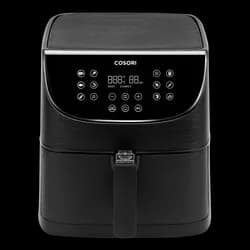
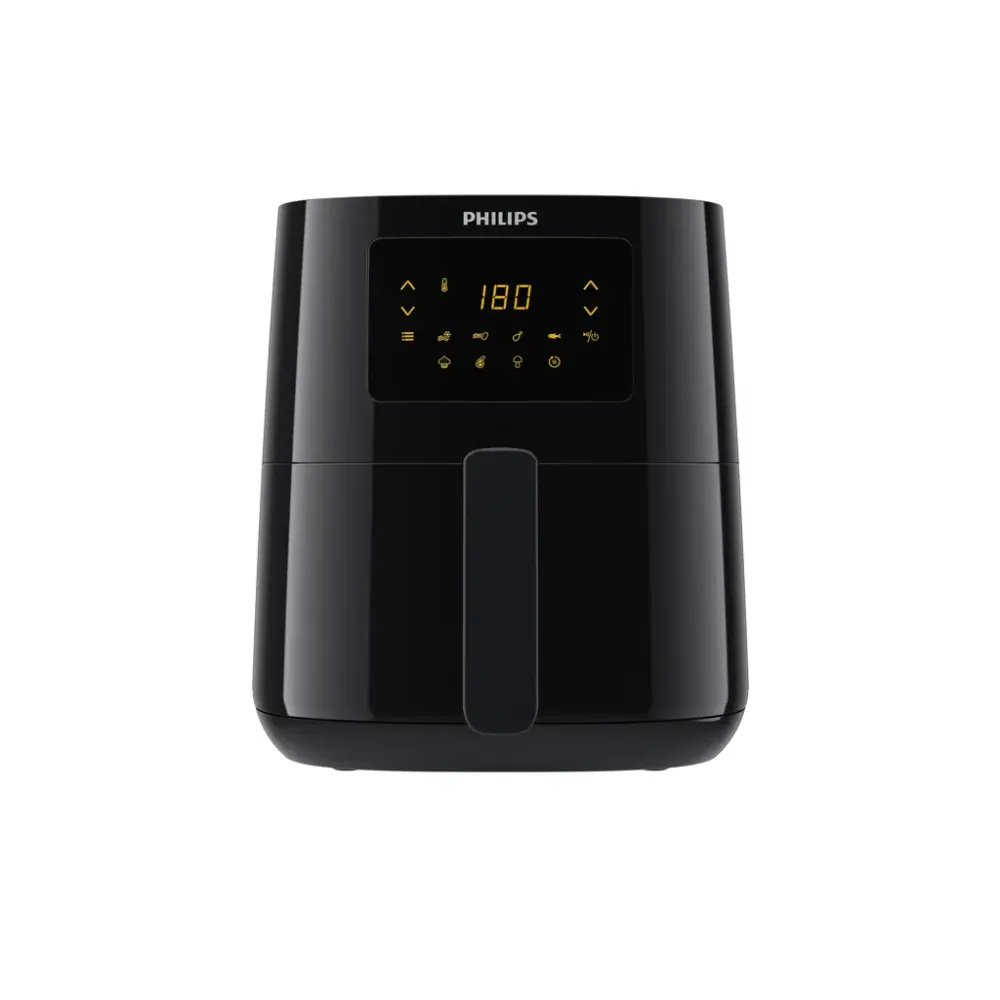
Philips provides a particular access-and-brush procedure in its cleaning page, whereas COSORI's maintenance page cautions against applying water directly to the element. These examples should not be blended into one universal method. Follow the matching model instructions as a whole. Copying the access position from one brand and the cleaning liquid from another creates a procedure that neither source actually supports.
Decide whether the issue is cleaning or service
Describe what prompted inspection. Visible owner-accessible residue may fall within the care procedure. A loose component, electrical smell, melted material or abnormal operation calls for manufacturer support rather than a deeper cleaning attempt. Keep those categories separate. An air fryer can be dirty and faulty at the same time, so removing visible residue cannot by itself demonstrate that a concerning symptom has been resolved.
For an example, a cook notices a spot above the basket after an otherwise normal meal. The first step is checking the care instructions and permitted access. If they instead noticed a new grinding noise with the spot, that additional symptom changes the decision and should be reported. The example does not diagnose either observation; it shows why the reason for cleaning matters before choosing the task.
Keep the work within the access boundary
Set up the area as the exact procedure requires and use only its permitted tools. Do not bend a guard, remove fasteners or push a long improvised object behind the element to reach a stain. A tool that reaches farther is not necessarily an approved cleaning tool. If residue remains beyond the owner-accessible area, photograph what is safely visible and explain the location to manufacturer support.
Record the approved cleaning step you attempted and the result. That gives support more useful information than saying you tried everything. Avoid escalating to strong chemicals or repeated empty high-heat cycles when a gentle method does not work. Such changes can obscure the original problem and add uncertainty. Any post-clean cycle should be explicitly supported by the exact instructions, rather than borrowed as a generic burn-off technique.
Finish by checking the whole care sequence
Complete the manual's reassembly and readiness instructions before using the appliance again. Account for any owner-removable parts and keep the appliance unavailable if a surface or component remains questionable. Do not use the next meal as a test of whether a hidden problem matters. The food task and the maintenance question deserve separate decisions, especially when abnormal symptoms were part of the initial observation.
A concise household note can identify the source document, accessible area, tools used and unresolved issue. For routine care, retain only the step the manufacturer actually requires rather than turning the interior into a frequent dismantling project. Heating-element care is useful when it stays within documented owner maintenance. When access or condition is uncertain, a precise support question is a better outcome than an improvised procedure that appears to reach the stain.
Behind this guide
Sources & editorial method
This guide combines original editorial decision support with the linked documentation. It is not a hands-on product test. Check the exact regional model and its manual before purchasing or using an appliance.
How we research and publish our guides